From Ancient Drapes to Runway Glamour: How Fashion Trends Are Born
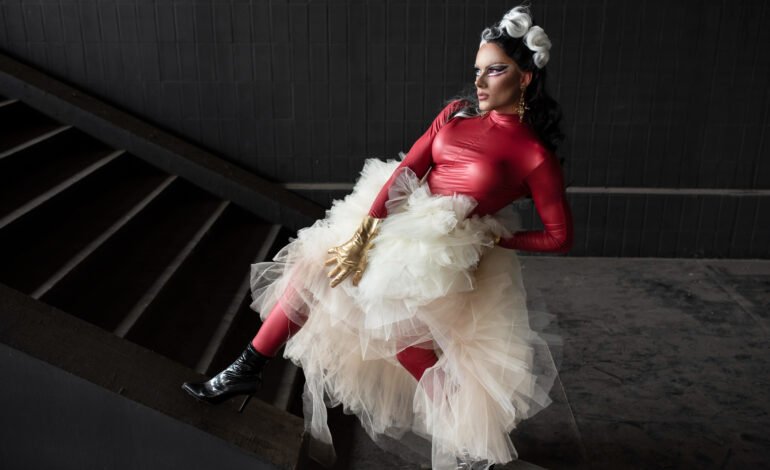

Fashion is never static. It ebbs and flows, resurrects forgotten silhouettes, and reinvents itself season after season. But where do these trends actually come from? Why does a particular color suddenly dominate every storefront, or a specific cut of denim become the must-have item of the year?
The birth of a fashion trend is rarely spontaneous. It’s a complex interplay of history, culture, economics, and individual creativity. From the draped garments of ancient civilizations to the avant-garde designs parading down today’s runways, fashion has always been a mirror reflecting societal values, technological advances, and cultural shifts.
Understanding how trends emerge offers insight into not just what we wear, but why we wear it. It reveals the invisible threads connecting a Roman toga to a contemporary slip dress, or a 1920s flapper silhouette to modern athleisure. This exploration takes us through millennia of style evolution, examining the forces that transform fabric and thread into cultural phenomena.
The Historical Roots of Fashion
Fashion didn’t begin with Paris or Milan. Long before the first fashion week, ancient civilizations were already establishing the foundations of style and self-expression through clothing.
Ancient Civilizations and Early Style
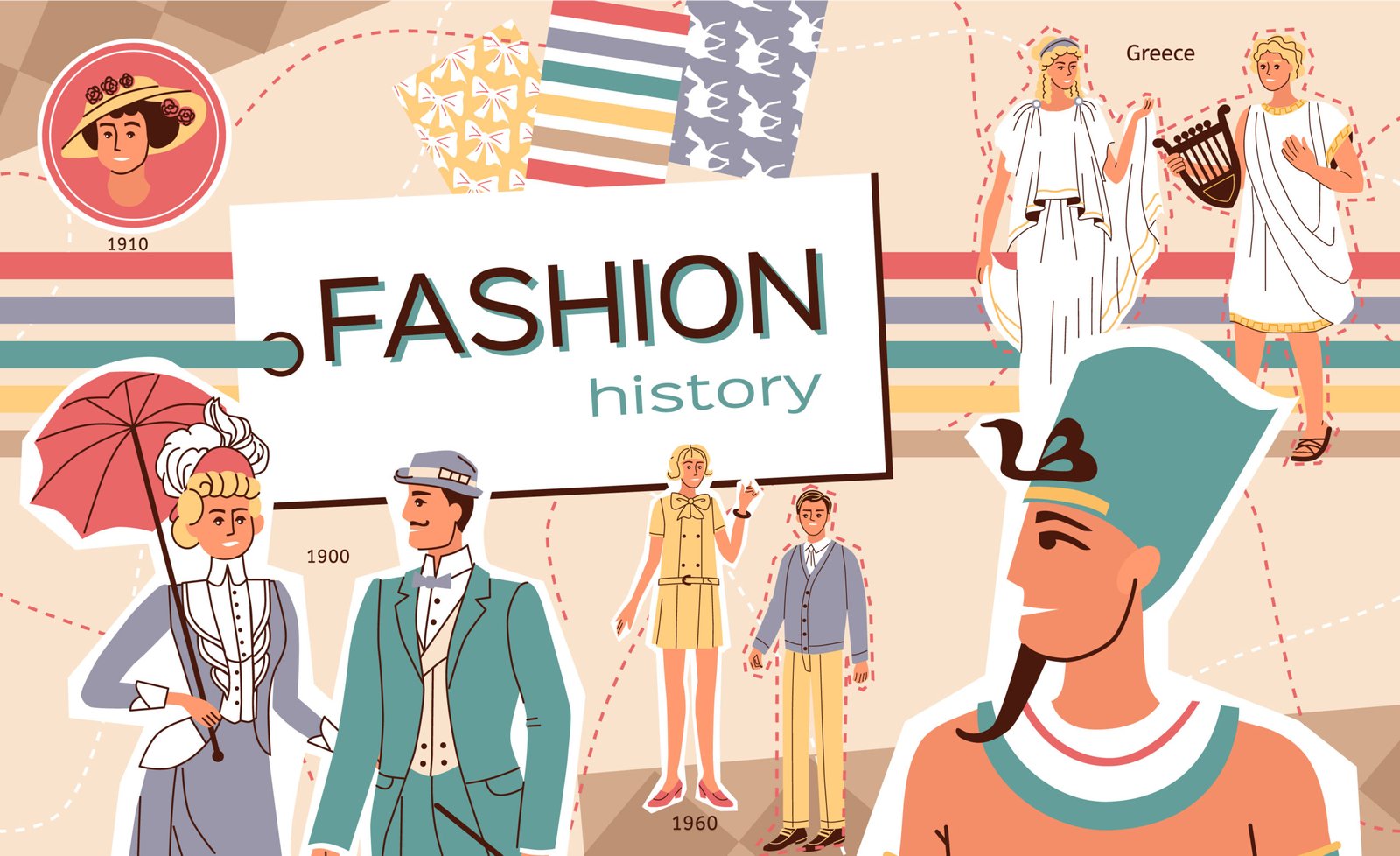
The ancient Egyptians, Greeks, and Romans understood that clothing was more than protection from the elements. Egyptian linen garments signified social status, with the finest weaves reserved for royalty and priests. Greek chitons and Roman togas were carefully draped to communicate wealth, citizenship, and profession.
These early societies established principles that still govern fashion: the idea that clothing communicates identity, that certain garments denote status, and that aesthetic choices reflect cultural values. The pleating techniques perfected by ancient Greeks, for instance, continue to inspire contemporary designers like Issey Miyake and Fortuny.
Medieval and Renaissance Influences
The Middle Ages introduced tailoring and structure to fashion. Unlike the draped garments of antiquity, medieval clothing was cut and sewn to fit the body more closely. This technical innovation opened new possibilities for self-expression through silhouette.
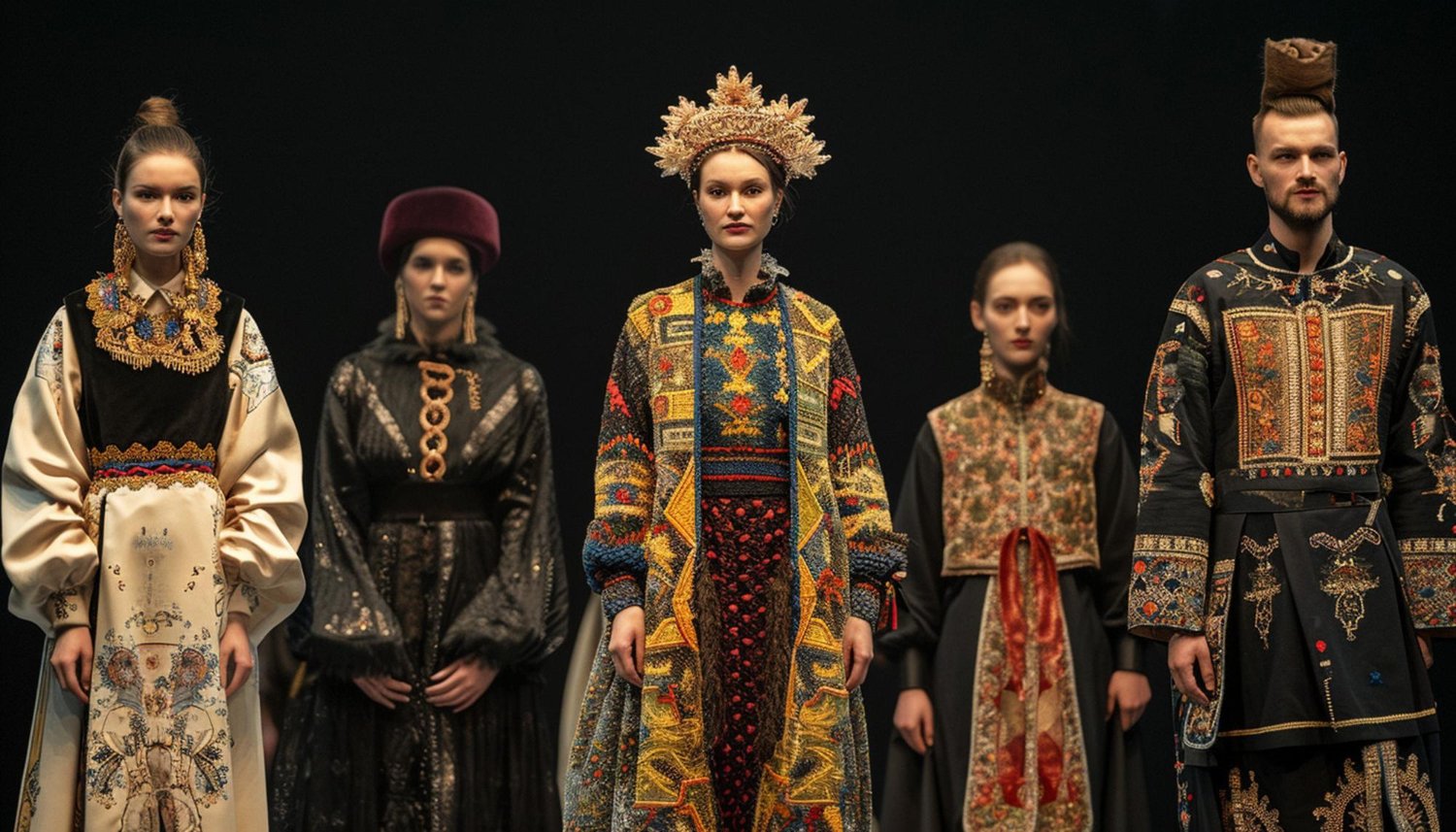
The Renaissance took this further, with elaborate ruffs, doublets, and farthingales demonstrating wealth and refinement. Fashion became increasingly complex, requiring specialized craftspeople and establishing the foundation for what would eventually become haute couture. The period also saw the beginning of fashion as cultural exchange, as trade routes brought textiles and techniques from Asia and the Middle East into European wardrobes.
The Cyclical Nature of Fashion
Fashion operates in cycles, constantly looking backward while moving forward. This paradox is central to understanding how trends are born.
Why Trends Repeat
Designers and consumers regularly mine the past for inspiration. The 1990s slip dress returned in the 2010s. 1970s wide-leg trousers re-emerged in the 2020s. Shoulder pads from the 1980s periodically reappear with each new decade.
This cyclical pattern happens for several reasons. Nostalgia creates emotional connections to past eras, making vintage styles feel fresh and desirable. Additionally, fashion operates on approximately 20-year cycles—long enough for a style to feel dated, disappear, and then return as novel to a new generation.
The cycle also reflects fashion’s need for constant renewal. Once a trend reaches saturation, the industry must pivot to something different. Often, that “something different” is found by revisiting and reinterpreting historical styles.
The Trickle-Down Effect
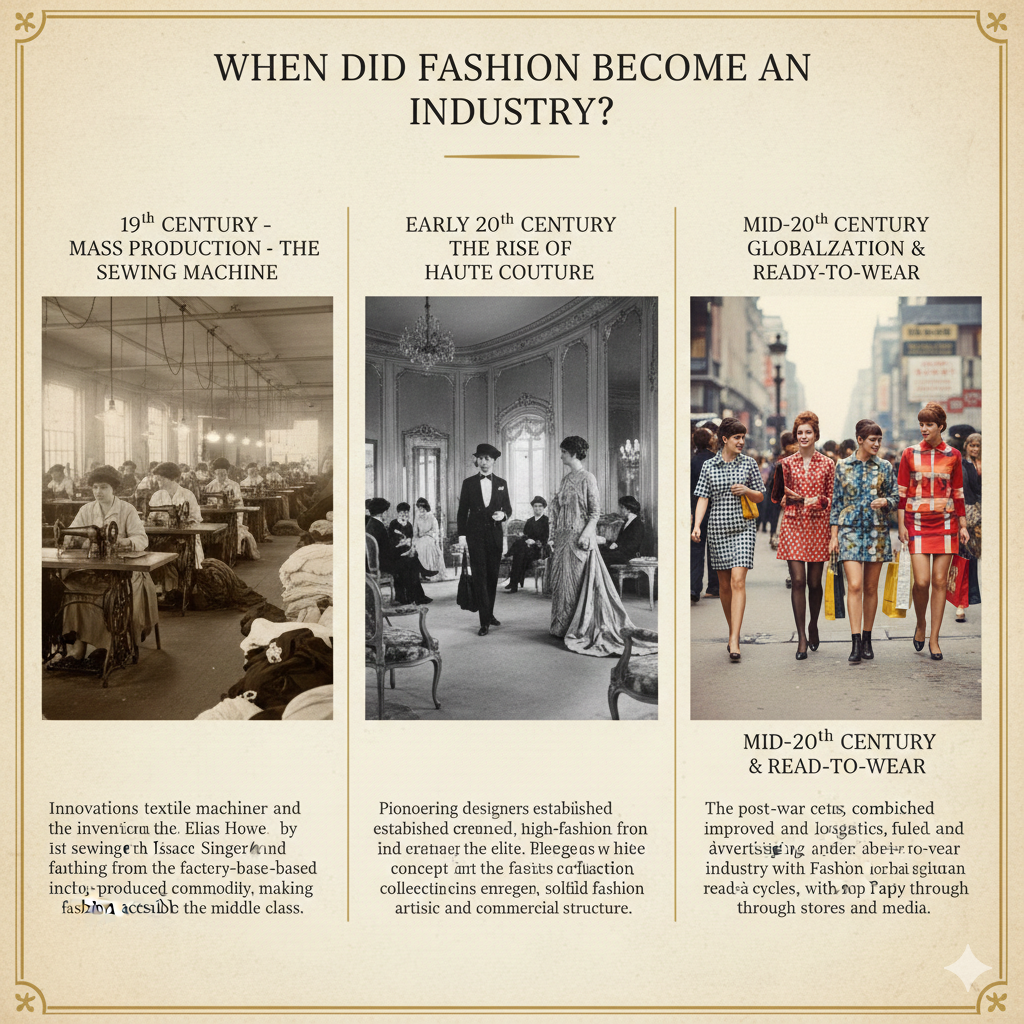
For much of modern history, fashion followed a predictable pattern: trends originated with elite designers and wealthy clientele, then gradually filtered down to mass-market consumers. This “trickle-down” theory, articulated by sociologist Georg Simmel in 1904, explained how haute couture influenced ready-to-wear, which eventually shaped fast fashion.
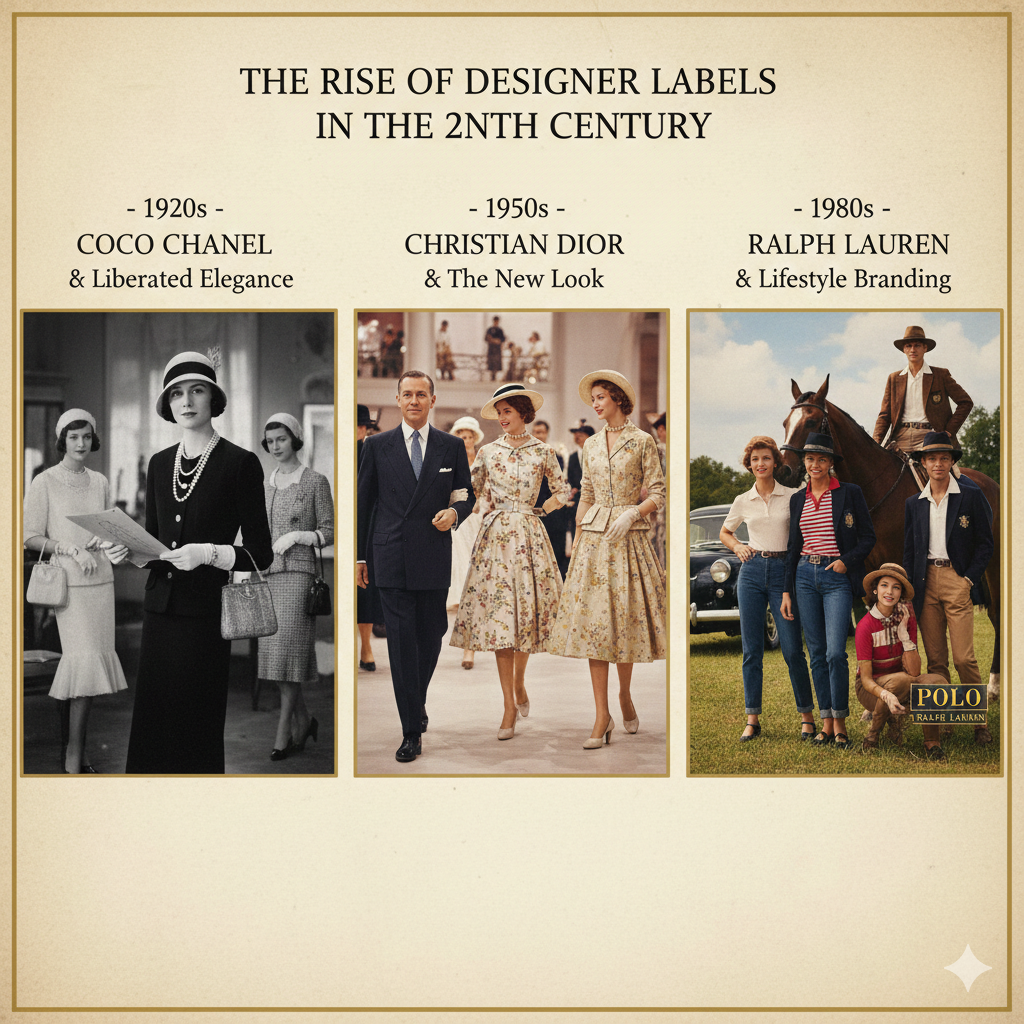
Luxury fashion houses would present new collections, fashion editors would highlight key pieces, and manufacturers would create accessible versions for department stores. By the time a trend reached its broadest audience, the elite had already moved on to something new.
However, this model has been disrupted. Social media and street style photography have democratized fashion influence. Trends now emerge from multiple sources simultaneously—not just runways, but Instagram, TikTok, music videos, and everyday people on the street.
Cultural Forces Shaping Style
Fashion doesn’t exist in a vacuum. Every trend reflects the cultural, technological, and political environment that produced it.
Technology and Innovation
Technological advances have repeatedly revolutionized fashion. The invention of the sewing machine in the 1840s enabled mass production. Synthetic dyes created new color possibilities in the late 19th century. The development of synthetic fabrics like nylon and polyester in the 20th century transformed what clothing could do and how it could be manufactured.
More recently, digital technology has accelerated trend cycles. Fast-fashion brands can now design, manufacture, and distribute a garment in weeks rather than months. Social media allows trends to spread globally in days. 3D printing and digital fabrication are opening entirely new design possibilities.
Each technological shift doesn’t just change how clothes are made—it changes what styles are possible and who can access them.
Cinema and Celebrity Influence
Film has been a powerful trendsetter since the early 20th century. When Audrey Hepburn wore Givenchy’s little black dress in “Breakfast at Tiffany’s,” it became a cultural touchstone. James Dean’s white t-shirt and leather jacket in “Rebel Without a Cause” transformed casual wear into a symbol of youthful rebellion.
Contemporary celebrity influence operates differently but remains potent. When Rihanna, Beyoncé, or Harry Styles wears something distinctive, it can spark immediate global demand. Musicians, actors, and influencers function as walking billboards, translating high-fashion concepts into accessible aspirational style.
The relationship is reciprocal. Designers court celebrity clients for the exposure, while celebrities use fashion to construct their public personas. This symbiosis accelerates trend adoption and gives certain styles cultural significance beyond their aesthetic qualities.
Social and Political Movements
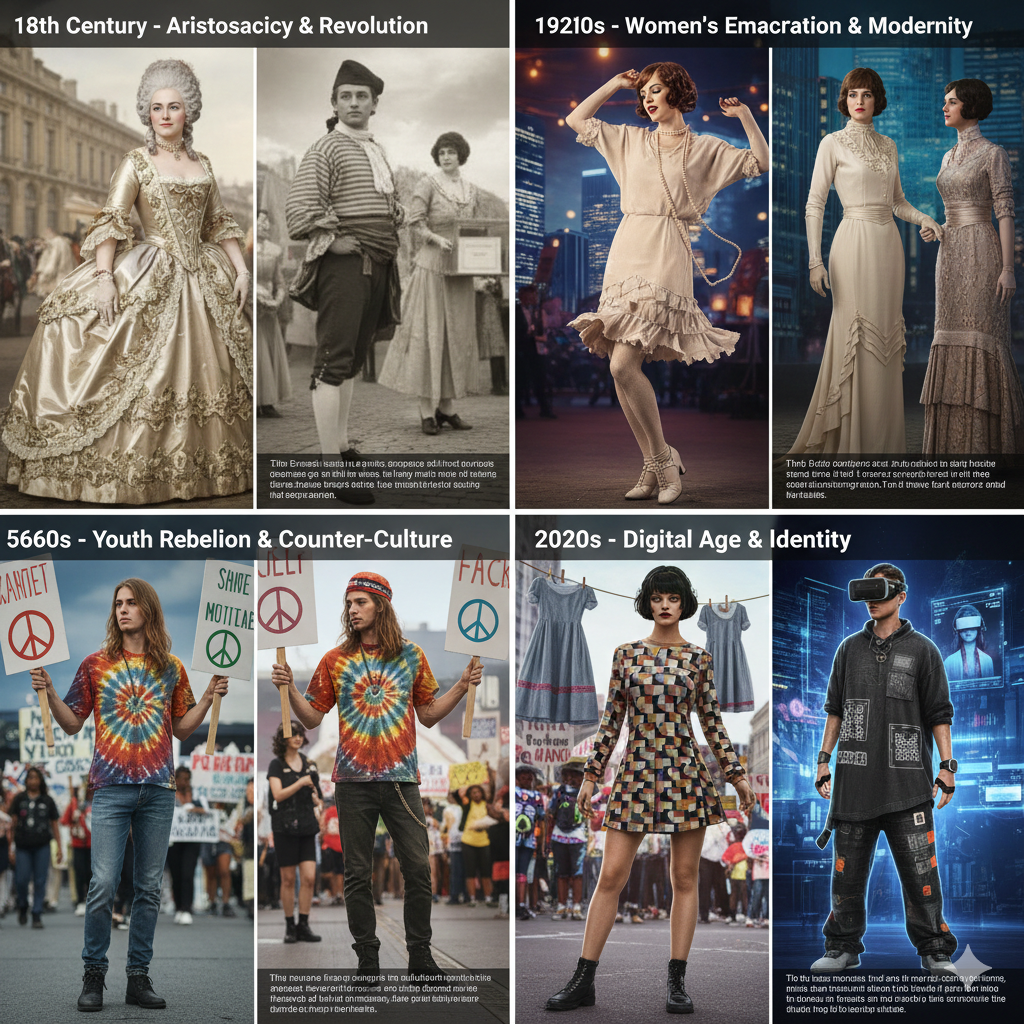
Fashion has always responded to social change. The women’s suffrage movement of the early 20th century coincided with looser, more practical clothing that allowed greater physical freedom. The miniskirt of the 1960s reflected shifting attitudes toward sexuality and women’s liberation.
Punk fashion in the 1970s was explicitly political, using torn clothing, safety pins, and provocative imagery to reject mainstream values. Hip-hop style in the 1980s and 1990s communicated cultural pride and challenged traditional fashion hierarchies.
More recently, movements for body positivity, gender inclusivity, and racial representation are reshaping fashion. Brands are expanding size ranges, creating gender-neutral collections, and featuring more diverse models. These aren’t just aesthetic shifts—they’re responses to demands for fashion that reflects actual human diversity.
From Runway to Street
The journey from high-fashion concept to everyday wardrobe follows identifiable patterns, though the timeline has compressed dramatically.
How Runway Designs Evolve
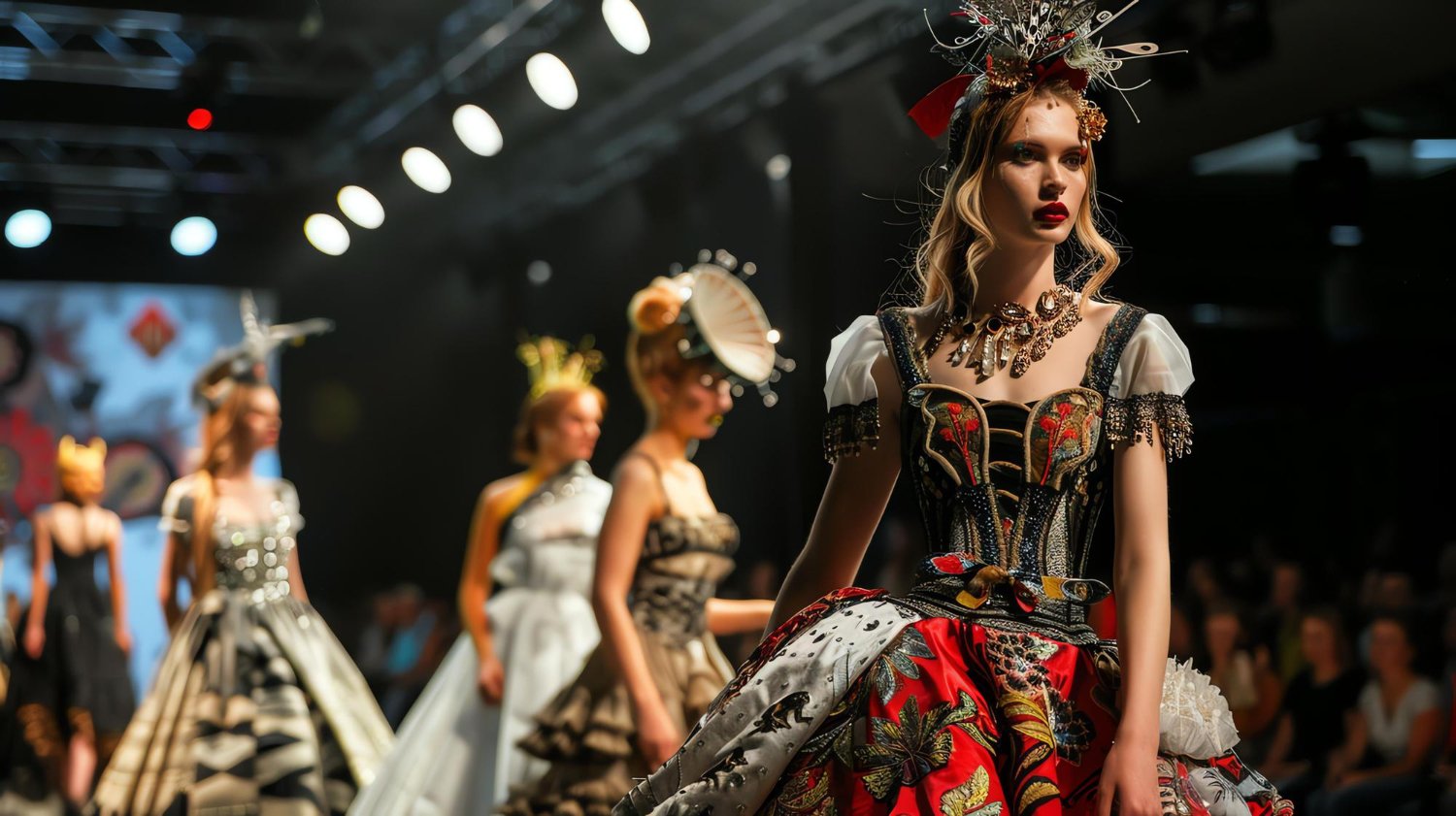
Haute couture runway shows often present unwearable art pieces—garments designed to provoke, inspire, and establish a designer’s vision rather than be sold as-is. A dress made entirely of plastic bottles or featuring an eight-foot train isn’t meant for grocery shopping.
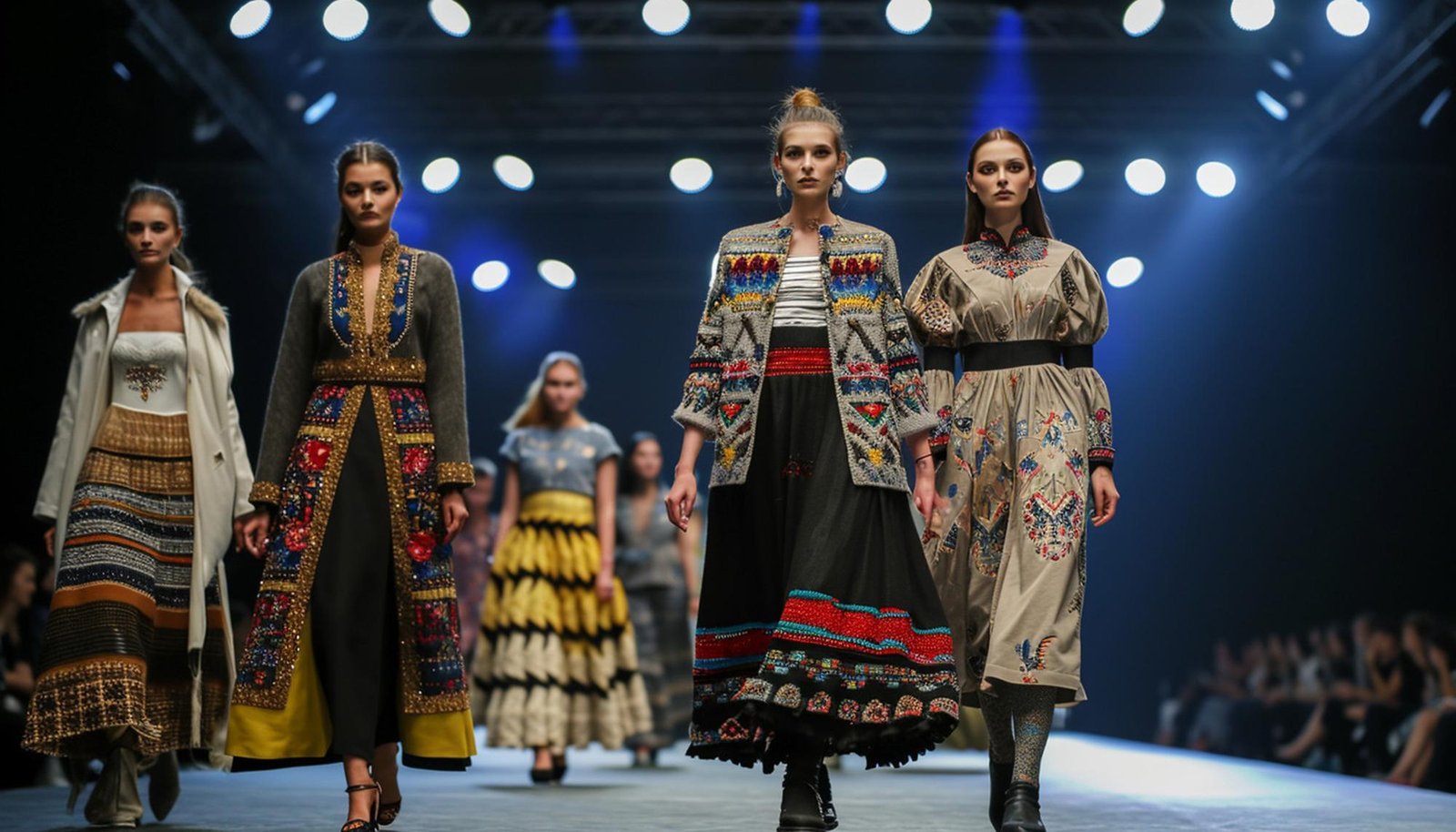
However, these conceptual pieces establish aesthetic directions. A runway show might feature exaggerated shoulders, which translate into moderately structured blazers in the designer’s ready-to-wear line. Those blazers influence department store buyers, who commission similar styles at lower price points. Fast-fashion brands create their own interpretations, and suddenly structured shoulders are everywhere.
This translation process involves distillation. The most extreme elements are softened or removed, while core aesthetic principles—a color palette, a silhouette, a decorative detail—are retained and adapted for practical wear.
Street Style as Trendsetter
Increasingly, trends originate on the street rather than the runway. Fashion photographers stationed outside runway shows often find their most compelling images not inside the venues but on the sidewalks, where attendees display creative personal style.
Cities like Tokyo, Seoul, London, and New York have become incubators for street-driven trends. Sneaker culture, athleisure, and streetwear brands like Supreme emerged from youth culture and gradually influenced high fashion, reversing the traditional hierarchy.
This “trickle-up” effect reflects fashion’s democratization. When luxury brands collaborate with streetwear labels or athletic companies, they’re acknowledging that cultural relevance can originate anywhere. The conversation is no longer one-directional.
The Future of Fashion Trends
As we look ahead, several forces are reshaping how fashion trends emerge and spread.
Sustainability and Conscious Consumption
Environmental concerns are transforming fashion from a trend-driven industry to one increasingly focused on longevity and responsibility. Consumers, particularly younger generations, are questioning the ethics of fast fashion and demanding transparency about manufacturing processes and environmental impact.
This shift is creating new trends: rental fashion, secondhand shopping, upcycling, and “slow fashion” that emphasizes quality and durability. Brands are experimenting with sustainable materials, from mushroom leather to fabric made from recycled ocean plastic.
Sustainability may seem antithetical to trend culture, but it’s actually creating its own aesthetic movements. Minimalism, versatile capsule wardrobes, and timeless pieces are all responses to overconsumption. The most forward-thinking trend may be moving away from trends altogether, toward more intentional, individualized style.
Digital Fashion and Virtual Runways
The COVID-19 pandemic accelerated fashion’s digital transformation, but the shift was already underway. Digital fashion shows, augmented reality try-ons, and entirely virtual garments are expanding what fashion can be.
Virtual fashion—clothing that exists only digitally, for use in online spaces, games, or social media—represents a radical reimagining of what clothes are for. If fashion is fundamentally about self-expression and identity, why shouldn’t that extend to digital spaces where we increasingly spend time?
This doesn’t mean physical clothing will disappear, but it does suggest that future trends might emerge from digital platforms as much as physical runways. A viral TikTok filter or a popular video game outfit could inspire real-world fashion just as easily as a designer collection.
Personalization and AI
Artificial intelligence is beginning to influence trend forecasting and personalization. Algorithms analyze vast amounts of data—social media posts, search queries, purchase histories—to predict what styles will resonate.
AI could enable mass customization, where garments are tailored to individual preferences and measurements rather than produced in standard sizes. This personalization might fragment trend culture, creating micro-trends for specific communities rather than universal styles.
However, human creativity remains central. Algorithms can identify patterns and optimize production, but the spark of genuine innovation—the unexpected combination, the rule-breaking design—still comes from human imagination.
Looking Forward: Style Without Boundaries
Fashion trends will continue to be born from the same fundamental human impulses: the desire for self-expression, belonging, novelty, and beauty. But the mechanisms for how trends emerge and spread are fundamentally changing.
The line between creator and consumer is blurring. Anyone with a smartphone can influence fashion, whether through a viral outfit post or by supporting emerging designers. Geographic boundaries matter less when inspiration and influence flow globally through digital channels.
What remains constant is fashion’s role as cultural barometer. The trends that emerge—whether sustainable practices, gender-fluid designs, or digital garments—will continue to reflect our collective values, aspirations, and concerns. By understanding how trends are born, we gain insight not just into what we wear, but into who we are and who we’re becoming.
Want to stay ahead of the curve? Subscribe to our newsletter for monthly insights into emerging fashion trends, designer spotlights, and industry analysis delivered straight to your inbox. Join a community of fashion enthusiasts who understand that style is about more than what you wear—it’s about knowing where fashion has been and where it’s going.