The Birth of Fashion Weeks and Runway Culture
Fashion weeks are now synonymous with high glamour, celebrity front rows, and the unveiling of trends that will dominate wardrobes for seasons to come. But the spectacle we recognize today—complete

Fashion weeks are now synonymous with high glamour, celebrity front rows, and the unveiling of trends that will dominate wardrobes for seasons to come. But the spectacle we recognize today—complete with livestreams, influencer takeovers, and street style photographers—has roots that stretch back over a century. What began as intimate salon presentations in Parisian ateliers has evolved into a global cultural and commercial phenomenon that shapes not only what we wear, but how we understand style, identity, and creativity.
Understanding the history of fashion weeks offers more than just trivia. It reveals how the industry adapted to war, economic shifts, technological innovation, and social change. From Eleanor Lambert’s wartime ingenuity to the rise of the Big Four fashion capitals, this is the story of how runway culture was born—and how it continues to transform.
The Origins: From Private Salons to Public Spectacles
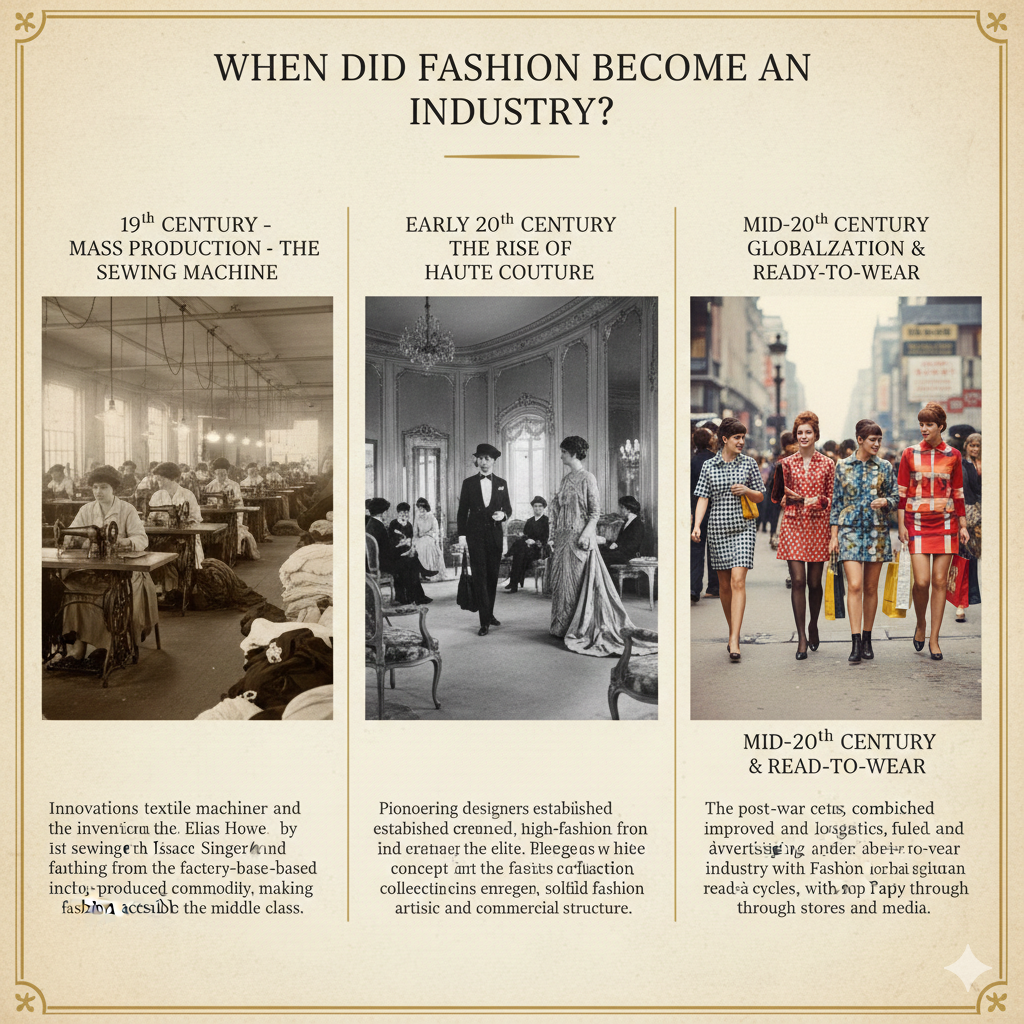
The concept of showing clothing on live models didn’t start with fashion weeks. It began in the mid-19th century, when Parisian couturiers like Charles Frederick Worth began presenting garments on live mannequins—real women hired to display designs to private clients. These presentations were intimate, refined affairs held in luxurious salons. The goal was simple: to showcase craftsmanship and allow wealthy patrons to visualize how a garment might look when worn.
By the early 20th century, these private showings became more formalized. Designers began scheduling them during specific seasons, inviting press and buyers to view upcoming collections. Paris was the undisputed fashion capital, and its couture houses set the standard for elegance and innovation. The shows were still exclusive, but they were becoming more theatrical. Models walked in choreographed sequences, sometimes with music and elaborate staging. Fashion was beginning to understand the power of performance.
However, it wasn’t until the 1940s that the modern fashion week—as a scheduled, city-wide event—truly took shape.
New York’s Influence: Eleanor Lambert and the Birth of Press Week
When World War II disrupted transatlantic travel, American fashion editors and buyers could no longer attend the Paris shows. This created both a crisis and an opportunity. Enter Eleanor Lambert, a pioneering publicist who recognized that American fashion deserved its own spotlight.
In 1943, Lambert organized the first-ever “Press Week” in New York City. The event brought together American designers to showcase their collections to journalists and department store buyers in a coordinated schedule. It was a strategic move designed to prove that American fashion could stand on its own, independent of Parisian influence.
Press Week was a success. It gave American designers like Claire McCardell, Norman Norell, and Bill Blass a platform to reach national audiences. It also laid the groundwork for what would eventually become New York Fashion Week—one of the most influential events in the global fashion calendar.
Lambert’s innovation wasn’t just logistical. She understood that fashion needed narrative, publicity, and access to thrive. By organizing designers into a unified schedule and inviting the press, she turned fashion into news. This model would be replicated around the world.
Evolution of the Runway: From Display to Performance Art
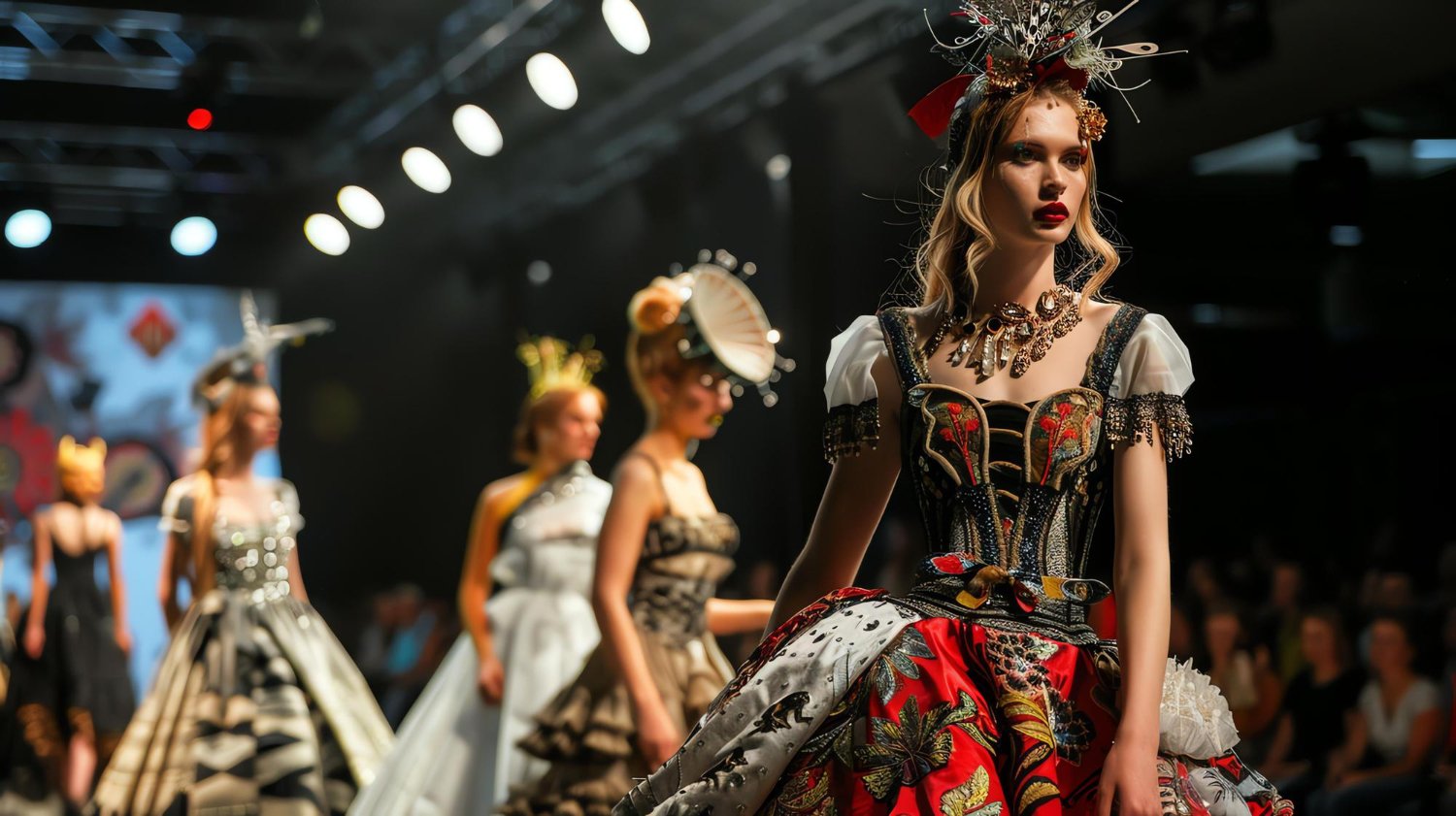
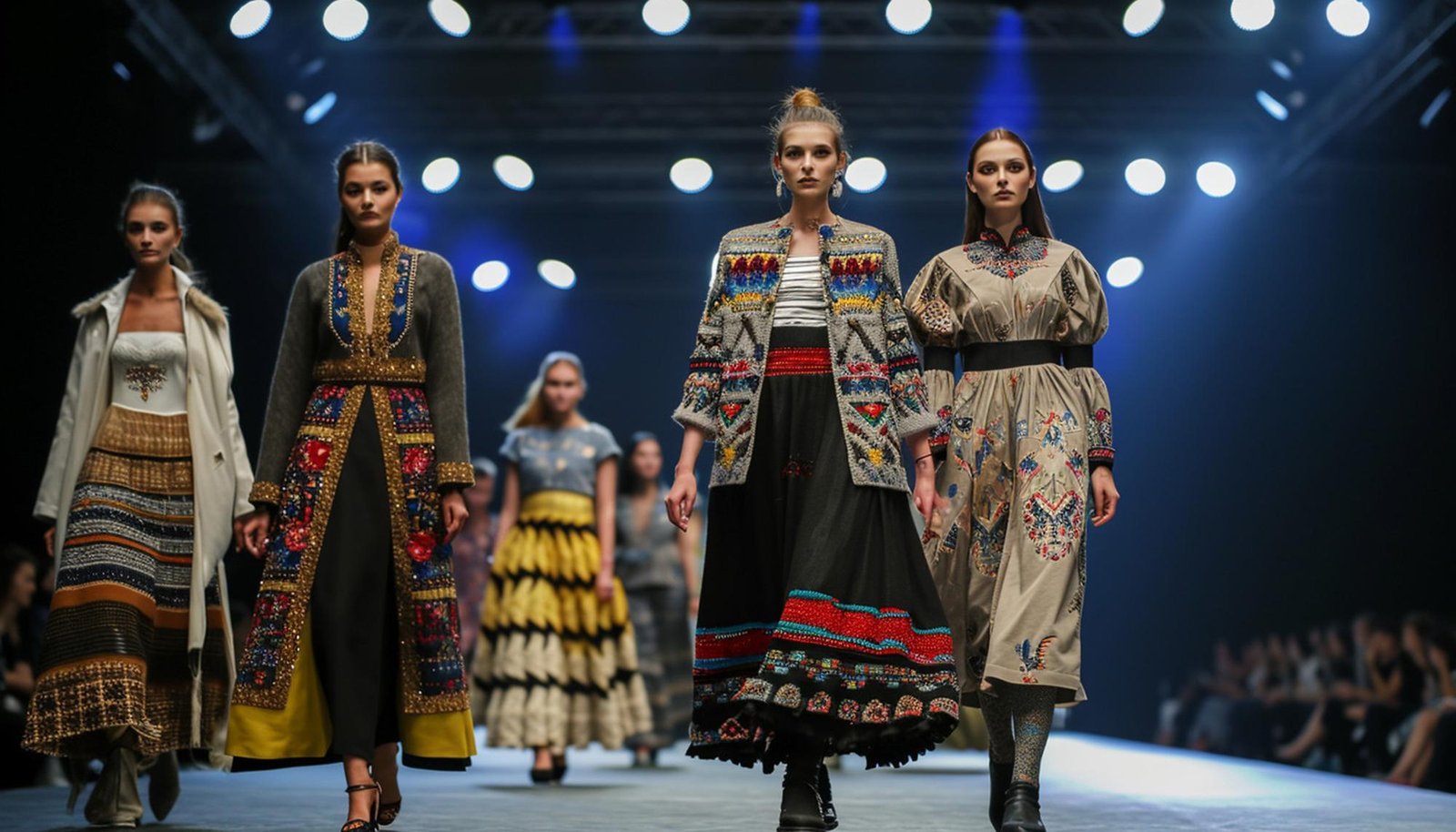
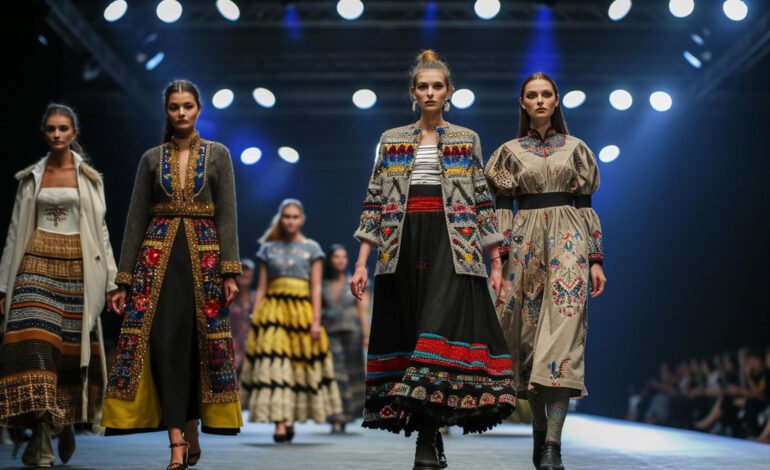
As fashion weeks grew in prominence, so did the runway itself. What began as a simple walkway for models to display garments evolved into a stage for artistic expression, cultural commentary, and brand storytelling.
Designers started to see the runway as more than a practical tool. It became a canvas. Alexander McQueen’s shows, for example, were legendary for their theatricality—featuring holograms, rain showers, and robotic arms spray-painting dresses live on stage. Rei Kawakubo of Comme des Garçons used the runway to challenge conventional notions of beauty and silhouette. John Galliano transformed his shows into historical fantasies, blending fashion with narrative drama.
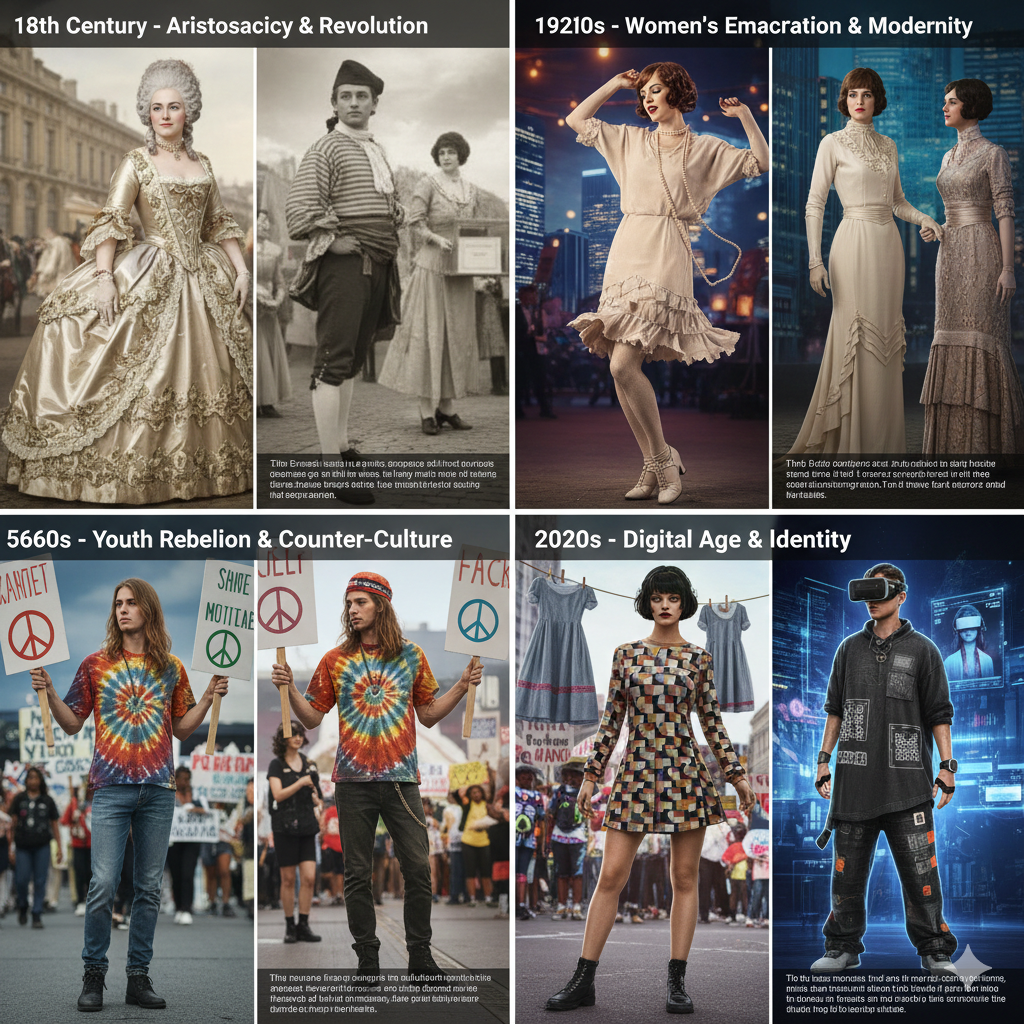
The shift was profound. Fashion shows were no longer just about the clothes. They were about the experience, the emotion, and the message. Designers used music, set design, casting, and choreography to communicate their vision. The runway became a medium for storytelling, where each collection could express political ideas, cultural heritage, or personal biography.
This transformation also democratized fashion in unexpected ways. The more theatrical and conceptual the shows became, the more they captured public imagination. People who might never buy haute couture became fascinated by the creativity and spectacle. Fashion was no longer just for the elite—it was entertainment, art, and aspiration all at once.
The Big Four: New York, London, Milan, and Paris
By the late 20th century, four cities had emerged as the epicenters of global fashion: New York, London, Milan, and Paris. Each developed its own identity and cultural significance.
New York became known for commercial, wearable fashion. It was the home of sportswear, accessible luxury, and brands that understood the American consumer. Designers like Calvin Klein, Donna Karan, and Ralph Lauren built empires by blending style with practicality.
London earned a reputation for rebellion and innovation. British designers like Vivienne Westwood, Alexander McQueen, and Stella McCartney pushed boundaries, blending punk aesthetics with haute couture craftsmanship. London Fashion Week became a breeding ground for emerging talent and avant-garde ideas.
Milan represented luxury, craftsmanship, and sensuality. Italian fashion houses like Versace, Prada, and Armani dominated the runways with their emphasis on tailoring, quality fabrics, and glamorous silhouettes. Milan Fashion Week became synonymous with elegance and sophistication.
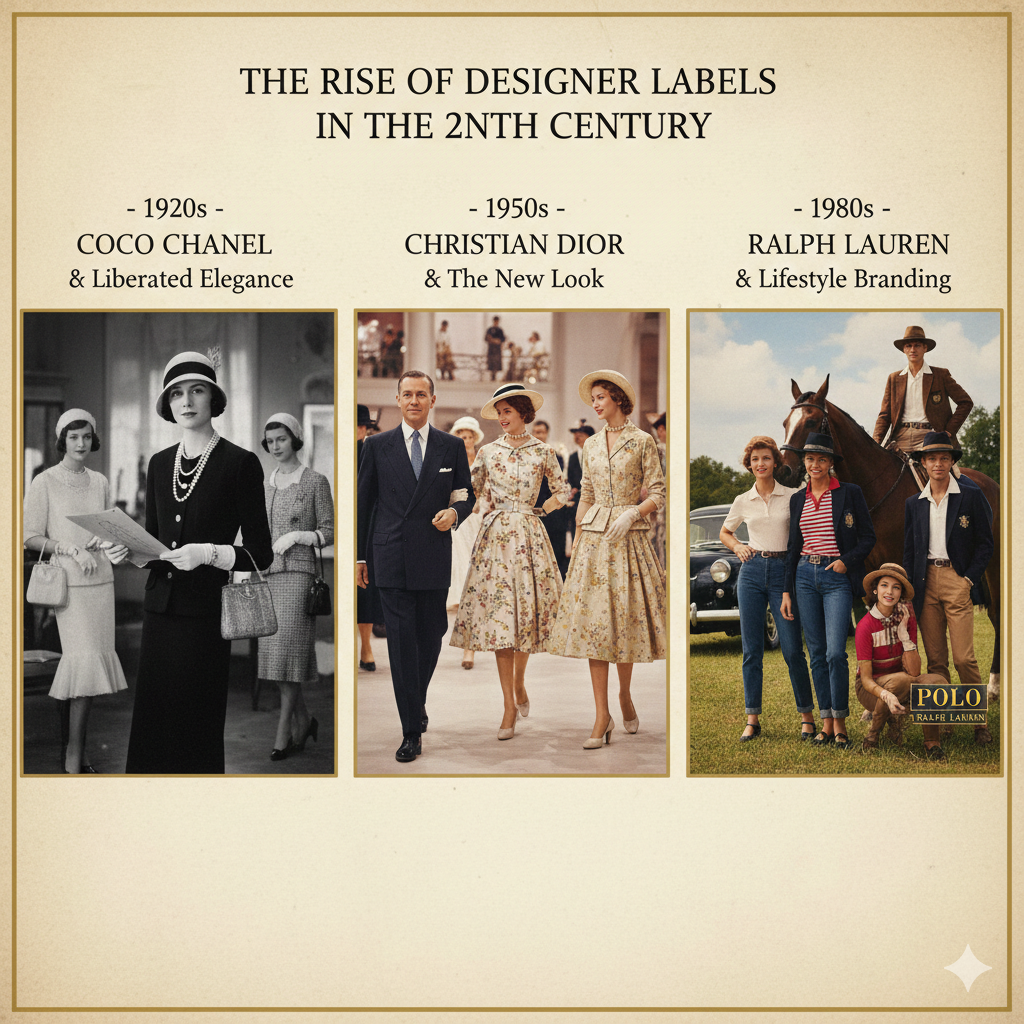
Paris remained the crown jewel. It was the birthplace of haute couture, home to legendary houses like Chanel, Dior, and Yves Saint Laurent. Paris Fashion Week was where the most ambitious, artistic, and technically complex collections debuted. It was the ultimate validation for any designer.
Together, these four cities form the backbone of the fashion calendar. They dictate trends, launch careers, and set the tone for the entire industry. Each season, thousands of buyers, editors, influencers, and photographers travel between them, creating a circuit that drives global fashion commerce and culture.
Impact on Retail: Dictating Trends and Consumer Behavior
Fashion weeks don’t just influence designers and editors—they shape what ends up in stores and, ultimately, what consumers buy. The runway sets the agenda for the entire fashion ecosystem.
When a trend debuts on the runway—whether it’s a specific color, silhouette, or accessory—it quickly trickles down. High-street retailers like Zara, H&M, and Uniqlo closely monitor fashion week coverage to identify which trends resonate. Within weeks, runway-inspired pieces appear in stores at accessible price points.
This system has traditionally operated on a six-month delay. Designers show their collections months in advance of the season, giving buyers time to place orders and retailers time to manufacture and distribute. But this model has come under scrutiny in recent years, particularly as digital culture accelerates consumer expectations.
Fashion weeks also create cultural moments that extend beyond clothing. A viral runway moment—a celebrity appearance, a controversial design, a powerful casting choice—can dominate social media and mainstream news. These moments shape how people think about fashion, identity, and self-expression.
The relationship between runway and retail is symbiotic. Designers need the commercial infrastructure to sustain their creative visions, while retailers need the cultural cachet and trend forecasting that fashion weeks provide. It’s a delicate balance, but one that has driven the industry for decades.
Digital Transformation: Livestreams and “See-Now, Buy-Now”
The internet has fundamentally changed fashion weeks. What was once an exclusive, invitation-only affair is now accessible to millions through livestreams, Instagram, TikTok, and YouTube. This democratization has expanded fashion’s audience, but it’s also disrupted traditional business models.
Designers began livestreaming shows in the early 2010s, allowing global audiences to watch in real time. Suddenly, fashion week wasn’t just for insiders. Fans, students, and aspiring designers could experience the spectacle from anywhere. Social media amplified this shift, turning runway moments into viral content within minutes.
The digital age also gave rise to the “see-now, buy-now” model. Frustrated by the traditional six-month gap between runway and retail, some designers began making collections available for purchase immediately after they were shown. Brands like Burberry, Tommy Hilfiger, and Tom Ford experimented with this approach, hoping to capitalize on the buzz generated by their shows.
However, the model has proven controversial. Critics argue that it undermines the creative process, rushing designers and reducing fashion to instant gratification. It also disrupts the traditional wholesale system, where buyers place orders months in advance. While some brands have embraced it, others have reverted to the conventional schedule.
What’s clear is that digital technology has permanently altered runway culture. Fashion weeks are no longer isolated events—they’re part of a continuous, global conversation happening across platforms. The challenge for the industry is to harness this connectivity without losing the artistry and craftsmanship that make fashion meaningful.
Future Outlook: Sustainability and Inclusivity
The future of fashion weeks will be shaped by two urgent concerns: sustainability and inclusivity.
Environmental awareness is forcing the industry to reconsider its practices. Fashion weeks generate significant carbon footprints—from travel and production to waste and overconsumption. Designers and organizers are exploring digital-only shows, smaller-scale presentations, and more sustainable production methods. Some have proposed eliminating the traditional four-season calendar in favor of fewer, more intentional collections.
Inclusivity is equally critical. For decades, runways were criticized for their lack of diversity in casting, sizing, and representation. Recent years have seen progress, with more models of color, plus-size models, and disabled models walking major shows. Designers are also expanding their size ranges and rethinking beauty standards.
But there’s still work to be done. True inclusivity requires structural change—not just tokenism, but a genuine commitment to representing the full spectrum of human experience. Fashion weeks have the power to set these standards, and many in the industry are pushing for them to do so.
The runway of the future may look very different from the one we know today. It may be more digital, more sustainable, and more inclusive. But its core purpose—celebrating creativity, craftsmanship, and the transformative power of clothing—will remain.
Discover More Fashion History
Fashion weeks are living history, constantly evolving while honoring the traditions that shaped them. From Parisian salons to digital runways, the story of fashion is one of innovation, resilience, and reinvention.
Want to dive deeper into the archives? Subscribe to our newsletter for exclusive insights into fashion history, behind-the-scenes stories, and expert analysis on the trends shaping the industry today.