


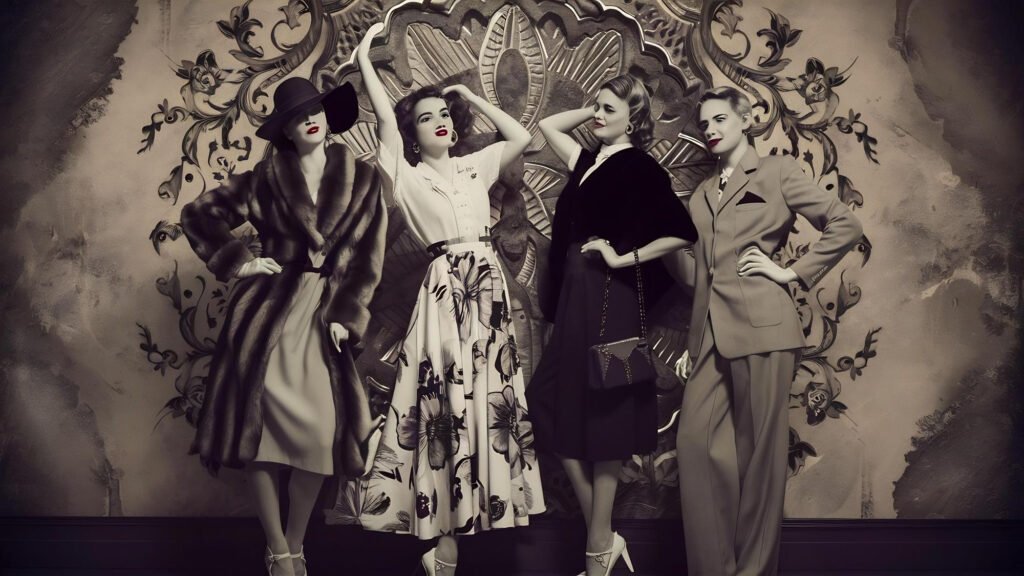
Every morning, you make a decision. You choose what to wear. Maybe it’s a conscious choice—a crisp blazer for confidence, a vintage band tee for nostalgia. Or maybe it’s automatic, grabbing whatever’s clean from the drawer. Either way, you’re participating in one of humanity’s oldest and most universal rituals.
Fashion isn’t frivolous. It’s not just about looking good or following trends. It’s a language we speak without words, a mirror reflecting who we are and who we want to become. From the first animal skins draped across our ancestors’ shoulders to the athleisure we live in today, clothing has been far more than protection from the elements.
Understanding why fashion exists means exploring the intersection of psychology, history, and culture. It means recognizing that our sartorial choices—whether we realize it or not—communicate identity, signal belonging, and even challenge the status quo. This post examines the deeper forces that have shaped what we wear and why it matters more than we think.
The Psychology of Dress: How Clothing Shapes Identity
Your wardrobe is a visual autobiography. The clothes you choose reflect your mood, aspirations, and sense of self. Psychologists have long studied this phenomenon, coining terms like “enclothed cognition” to describe how what we wear influences our mental state and behavior.
Research published in the Journal of Experimental Social Psychology found that people who wore white lab coats performed better on attention-related tasks than those who didn’t. The coat itself didn’t change their abilities—but the symbolic meaning attached to it did. When we dress in ways that align with certain identities (professional, creative, athletic), we embody those qualities more fully.
Self-Expression and Social Signaling
Clothing allows us to broadcast messages about ourselves before we speak a word. A power suit communicates authority. Ripped jeans and leather jackets suggest rebellion. Traditional attire honors heritage and roots. Each outfit is a strategic choice, whether deliberate or subconscious.
Fashion also helps us navigate social hierarchies. Humans are tribal creatures. We look for visual cues to determine who belongs to which group, who shares our values, and who we can trust. Clothing serves as shorthand for these complex social calculations. Subcultures—from punk rockers to hip-hop communities—have always used fashion to create visual solidarity and distinguish insiders from outsiders.
The Confidence Factor
There’s a reason we have “power outfits” and “lucky shirts.” When you feel good in what you’re wearing, it changes how you carry yourself. Posture improves. Eye contact strengthens. You take up space with more assurance.
This isn’t superficial vanity. Confidence affects everything from job interviews to first dates. The right outfit can shift internal narratives, transforming anxiety into self-assurance. Fashion becomes armor, protection not from physical threats but from self-doubt.
Historical Evolution: From Function to Symbol
Fashion hasn’t always been about self-expression. For most of human history, clothing served purely practical purposes—warmth, protection, modesty. But as civilizations developed, so did the symbolic power of dress.
Ancient Beginnings
The earliest humans wore animal skins and furs to survive harsh climates. But even then, decoration emerged. Archaeological evidence shows that our ancestors adorned themselves with shells, bones, and pigments as far back as 100,000 years ago. These weren’t functional additions. They were aesthetic choices, early attempts at self-decoration and group identification.
As agricultural societies formed, clothing began to reflect social structure. Ancient Egypt’s white linen garments signified purity and status. Only pharaohs and high priests could wear certain colors and fabrics. In Rome, the toga’s draping indicated citizenship and rank. What you wore literally determined your place in society.
The Middle Ages and Renaissance
During the Middle Ages, sumptuary laws regulated who could wear what. These legal codes restricted certain fabrics, colors, and styles to specific social classes. Purple, for instance, was reserved for royalty because the dye was extraordinarily expensive. Such laws weren’t just about aesthetics—they reinforced rigid hierarchies and prevented social mobility.
The Renaissance brought an explosion of creativity and craftsmanship. Tailoring became an art form. The wealthy commissioned elaborate garments featuring intricate embroidery, luxurious fabrics, and innovative silhouettes. Fashion became a marker of cultural sophistication and economic power.
The Industrial Revolution
Everything changed with mechanization. Mass production made clothing accessible to working and middle classes for the first time. Ready-to-wear garments appeared in department stores. Fashion magazines emerged, democratizing style knowledge previously reserved for the elite.
This shift had profound social implications. When everyone could afford fashionable clothing, traditional markers of class became blurred. Fashion accelerated, with trends changing seasonally rather than generationally. The modern fashion industry—with its rapid cycles and mass appeal—was born.
Cultural Significance: Fashion as Language
Fashion speaks different dialects depending on where you are. What’s considered appropriate, beautiful, or rebellious varies dramatically across cultures. Understanding fashion means understanding these cultural contexts.
Tradition and Heritage
Traditional dress preserves cultural memory. The kimono in Japan, the sari in India, the kente cloth in Ghana—these garments carry centuries of meaning. They connect wearers to ancestors, ceremonies, and shared histories. Choosing traditional attire isn’t just aesthetic; it’s an act of cultural affirmation.
But tradition isn’t static. Contemporary designers increasingly blend traditional elements with modern aesthetics, creating hybrid styles that honor heritage while embracing innovation. This fusion reflects how culture itself evolves—rooted in the past but always growing.
Fashion and Rebellion
Throughout history, clothing has been a tool of resistance. The French Revolution saw sans-culottes reject aristocratic breeches for working-class trousers. The 1960s counterculture embraced long hair, denim, and bohemian styles to reject conservative values. Punk fashion used safety pins, torn fabrics, and DIY aesthetics to challenge mainstream commercialism.
Even today, fashion pushes boundaries. Gender-neutral clothing questions binary norms. Modest fashion movements reclaim religious identity. Streetwear elevates working-class aesthetics to high fashion. Each of these trends represents more than style—they’re cultural statements about who deserves visibility and respect.
Regional Variations
What’s fashionable in Tokyo differs vastly from what’s popular in Paris or Lagos. Regional fashion reflects local values, climates, and histories. Scandinavian minimalism emphasizes function and sustainability. Japanese street style celebrates bold experimentation. West African fashion features vibrant patterns and dramatic silhouettes.
These regional differences remind us that fashion isn’t universal. It’s deeply contextual, shaped by geography, economy, and collective identity. Globalization has spread trends worldwide, but local interpretations persist, creating rich diversity in how we dress.
The Modern Era: Speed, Ethics & Self-Expression
Contemporary fashion exists in tension. On one hand, we have unprecedented access to styles from around the world. Social media platforms like Instagram and TikTok spread trends at lightning speed. Anyone with a smartphone can become a style influencer.
On the other hand, we’re confronting the darker consequences of this abundance.
The Rise of Fast Fashion
Fast fashion revolutionized accessibility. Brands like Zara, H&M, and Shein produce trendy clothing at rock-bottom prices, making runway-inspired looks available to everyone. This democratization seems positive—until you examine the costs.
Fast fashion relies on exploitative labor practices, environmental degradation, and disposable consumption. Garment workers in developing countries often labor in unsafe conditions for poverty wages. The industry produces 92 million tons of textile waste annually. Microplastics from synthetic fabrics pollute oceans and waterways.
These issues force uncomfortable questions. What’s the real price of a $10 dress? Who pays when we treat clothing as disposable?
The Sustainable Fashion Movement
In response, sustainable fashion advocates for ethical production, environmental responsibility, and conscious consumption. This movement encourages buying less but better, supporting transparent brands, and embracing vintage and secondhand clothing.
Sustainable fashion isn’t just about materials—it’s a philosophical shift. It asks us to reconsider our relationship with clothing, valuing longevity over trends and quality over quantity. Brands like Patagonia, Eileen Fisher, and Reformation lead this charge, proving that fashion can be both stylish and responsible.
Digital Fashion and the Future
Technology is reshaping fashion in unexpected ways. Virtual clothing for avatars and social media has emerged as a billion-dollar industry. Digital fashion houses create garments that exist only in pixels, offering self-expression without physical production.
Augmented reality allows consumers to “try on” clothes virtually before purchasing. AI-driven personal styling services curate recommendations based on individual preferences. 3D printing enables custom-fit garments and experimental designs previously impossible to manufacture.
These innovations suggest fashion’s future will be increasingly personalized, digital, and potentially more sustainable. But they also raise questions about authenticity, accessibility, and the meaning of “real” clothing.
Why Our Sartorial Choices Will Always Matter
Fashion endures because it fulfills fundamental human needs. We want to be seen, understood, and accepted. We want to express our individuality while also belonging to communities. We want to honor our past and imagine our future. Clothing helps us do all of this simultaneously.
Critics dismiss fashion as superficial, but that misses the point. The surface is where meaning lives. What we choose to show the world—and how we feel in what we wear—shapes our daily experiences and long-term identities.
Fashion will continue evolving as technology, culture, and values shift. But the core reason it exists remains constant: we’re storytelling creatures, and clothing is one of our most powerful narrative tools.
What era of fashion resonates most with you? Whether it’s the glamour of Old Hollywood, the rebellion of punk, or the minimalism of the ’90s, share your favorite style era in the comments below. Let’s celebrate the rich history and endless possibilities of self-expression through clothing.
Related blog post:


