


Modi’s Israel Visit Explained: Strategic Partnership Amid West Bank Tensions
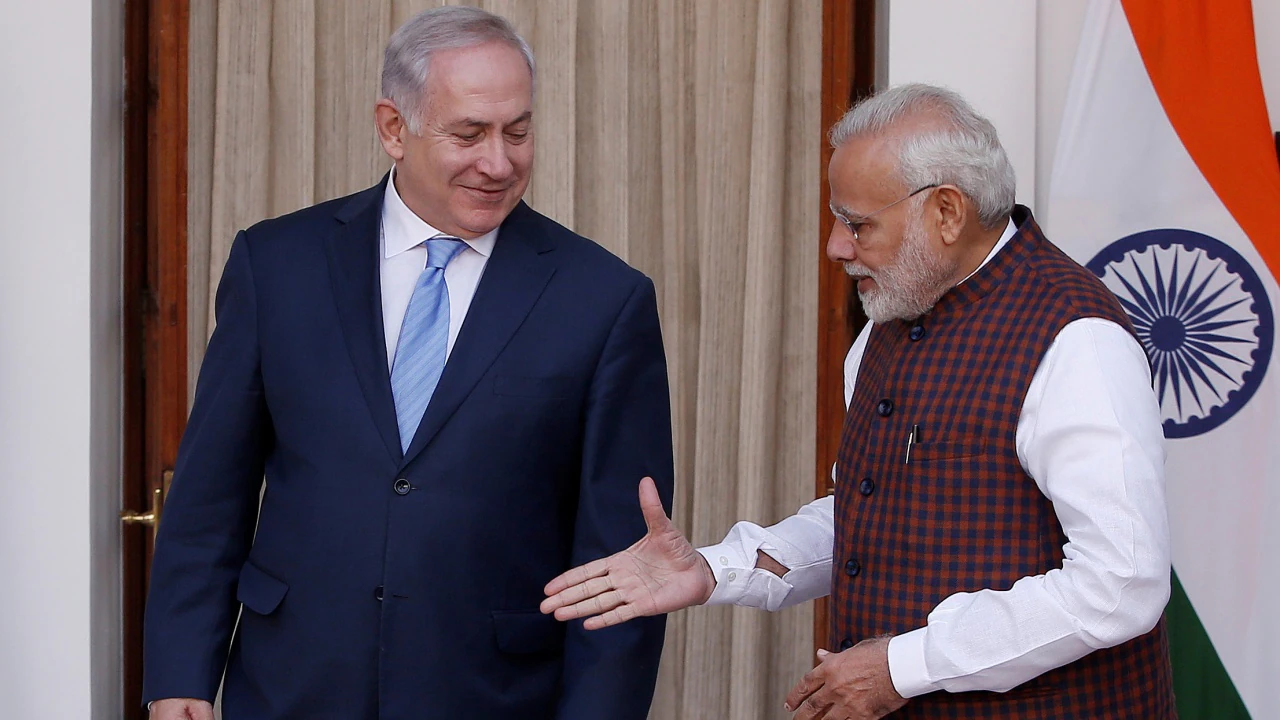
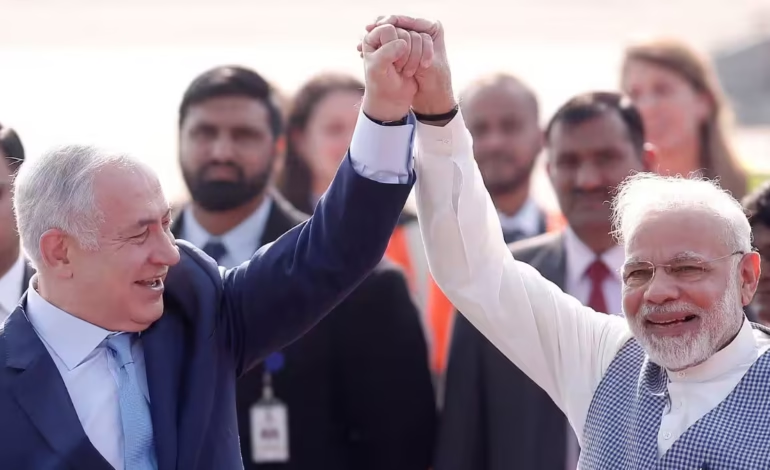
When Indian Prime Minister Narendra Modi stepped off the plane in Tel Aviv in July 2017, he made history as the first Indian Prime Minister to visit Israel. The handshake

When Indian Prime Minister Narendra Modi stepped off the plane in Tel Aviv in July 2017, he made history as the first Indian Prime Minister to visit Israel. The handshake between Modi and then-Prime Minister Benjamin Netanyahu wasn’t just a photo opportunity—it marked a seismic shift in India’s foreign policy approach to the Middle East.
For decades, India maintained a careful distance from Israel, wary of alienating its substantial Muslim population and historic ties with Palestine. But Modi’s visit signaled something different: a pragmatic recalibration of strategic interests that prioritizes defense cooperation, technological innovation, and economic growth over traditional diplomatic constraints.
This partnership has only deepened since that groundbreaking visit. Yet it unfolds against a complex backdrop of escalating tensions in the West Bank, forcing India to walk a diplomatic tightrope. How does India maintain its burgeoning alliance with Israel while preserving relationships across the Arab world and staying true to its historical support for Palestinian statehood?
Let’s break down the strategic pillars of this partnership, examine the diplomatic challenges, and explore what this alliance means for regional geopolitics.
The Foundation: Three Pillars of Strategic Cooperation
Defense and Security: The Cornerstone
Defense cooperation forms the bedrock of the India-Israel relationship. Israel has become India’s second-largest defense supplier after Russia, with bilateral defense trade estimated at over $1 billion annually.
The partnership extends far beyond simple arms purchases. India and Israel collaborate on:
- Joint development of missile defense systems, including adaptations of Israel’s Iron Dome technology for Indian requirements
- Counter-terrorism intelligence sharing, drawing on Israel’s extensive experience and India’s concerns about cross-border terrorism
- Cybersecurity initiatives, particularly crucial as both nations face sophisticated digital threats
- Defense manufacturing under “Make in India”, with Israeli companies setting up production facilities on Indian soil
This cooperation addresses India’s strategic vulnerabilities. Facing a two-front challenge from Pakistan and China, India values Israel’s cutting-edge military technology and willingness to share expertise that Western nations sometimes withhold.
Agricultural Innovation: Feeding a Billion
Israel’s reputation for making the desert bloom resonates strongly with India’s agricultural challenges. With over 60% of India’s population dependent on agriculture and increasing water scarcity, Israeli innovations offer practical solutions.
The India-Israel Agriculture Project (IIAP) has established 29 Centers of Excellence across Indian states, focusing on:
- Drip irrigation technology that reduces water usage by up to 70% while increasing crop yields
- Greenhouse farming techniques that extend growing seasons and protect crops from extreme weather
- Dairy management systems that boost milk production through better breeding and feeding practices
- Post-harvest technologies that reduce the shocking 30-40% food waste India experiences annually
These aren’t just pilot projects. They’re transforming Indian agriculture at scale, directly impacting farmer incomes and food security for millions.
Water Technology: Liquid Gold
Water scarcity affects both nations acutely. Israel’s world-leading desalination and water recycling technologies address one of India’s most pressing challenges.
Israeli companies are partnering with Indian states to:
- Develop desalination plants for coastal cities facing freshwater shortages
- Implement wastewater treatment systems that make 90% of urban wastewater reusable
- Deploy smart water management systems using IoT sensors to detect leaks and optimize distribution
- Transfer expertise in aquifer management and groundwater recharge
These collaborations tackle a crisis that threatens to displace millions of Indians and constrain economic growth.
Walking the Tightrope: Diplomatic Balancing Act
Here’s where the relationship gets complicated. India’s growing closeness with Israel coincides with escalating tensions in the West Bank and recurring conflicts in Gaza.
The Palestinian Question
India has historically supported Palestinian statehood and maintained strong diplomatic ties with the Palestinian Authority. This position hasn’t changed—at least not officially. India continues to provide financial aid to Palestine and votes in favor of Palestinian causes at the United Nations.
However, the enthusiasm and visibility of India’s Israel engagement have raised eyebrows in Arab capitals and among India’s Muslim population. Modi’s 2017 visit to Israel notably excluded a stop in Ramallah, breaking with diplomatic protocol that typically paired visits to both.
When Modi finally visited Palestine in 2018, it was a shorter, lower-key affair—a contrast that didn’t go unnoticed. The message seemed clear: India values its relationship with Israel more than symbolic gestures toward Palestine.
The Arab World Response
Surprisingly, India’s Israel pivot hasn’t dramatically damaged its relationships with Arab nations. Several factors explain this:
Normalization trends: The Abraham Accords and broader Arab rapprochement with Israel have reduced regional opposition to India-Israel ties.
Economic interdependence: Gulf states host over 8 million Indian expatriates who send home crucial remittances. Oil imports from the region remain vital. These economic realities constrain diplomatic criticism.
Shared security concerns: Many Arab states share India’s concerns about terrorism and extremism, creating common ground that transcends the Palestinian issue.
Quiet diplomacy: India maintains separate channels of engagement, avoiding public statements that would force Arab states to choose sides.
Still, India must tread carefully. Tensions in the West Bank can flare unpredictably, and any perception that India has abandoned the Palestinian cause could trigger domestic backlash and regional complications.
Economic Dimensions: Beyond Defense
While defense grabs headlines, the economic aspects of India-Israel relations tell an equally compelling story.
Trade and Investment
Bilateral trade has grown steadily, reaching approximately $5 billion annually. Beyond the numbers, the composition of trade reveals deepening ties:
Technology sector: Israeli startups increasingly view India as both a talent pool and a market. Over 150 Israeli companies now operate in India, particularly in cybersecurity, fintech, and agricultural technology.
Pharmaceuticals: India’s generic drug manufacturers partner with Israeli research firms, combining India’s production capabilities with Israeli innovation.
Diamonds: India processes 90% of the world’s diamonds, with many rough diamonds sourced through Israeli traders—a relationship worth billions.
The Innovation Partnership
Modi’s vision extends beyond traditional trade. He sees Israel as a model for transforming India into a startup hub.
The India-Israel Innovation Bridge facilitates:
- Joint research and development in artificial intelligence, robotics, and clean energy
- Exchange programs that send Indian entrepreneurs to Israel’s legendary tech ecosystem
- Co-investment funds that back startups working on solutions relevant to both markets
- Academic partnerships between IITs and Israeli universities
This focus on innovation addresses India’s need to move up the value chain and create high-skilled employment for its young population.
Geopolitical Ripples: Regional Implications
The India-Israel alliance doesn’t exist in isolation. It reshapes regional dynamics in ways that extend far beyond bilateral relations.
The China Factor
China’s Belt and Road Initiative encircles India, with significant investments in Pakistan, Sri Lanka, Bangladesh, and Myanmar. Israel offers India a strategic counterweight.
Israeli intelligence cooperation helps India monitor Chinese activities. Defense technology reduces India’s reliance on potentially unreliable suppliers. The partnership signals to Beijing that India has options and allies.
Notably, Israel has become more cautious about Chinese investment in its own tech sector, partly due to American and Indian concerns. This coordination demonstrates the alliance’s strategic depth.
Pakistan’s Dilemma
Pakistan views the India-Israel partnership with alarm. Israel’s military support strengthens India’s conventional superiority. Intelligence sharing enhances India’s counter-terrorism capabilities.
Pakistan has responded by deepening ties with Turkey and attempting to strengthen relations with Iran, but these moves bring their own complications given Saudi-Iranian tensions.
Middle East Power Dynamics
India’s Israel relationship enhances its standing as a major power with independent agency. Gulf states recognize that India isn’t automatically aligned with Western positions on Israel, making it a more acceptable partner.
This positioning allows India to pursue a “multi-alignment” strategy—maintaining productive relationships across traditional divides without formally joining any bloc.
Challenges and Contradictions
For all its strategic benefits, the India-Israel relationship faces genuine challenges.
Domestic politics: India’s 200 million Muslims watch this partnership warily. While Modi’s government has largely insulated foreign policy from domestic opposition, any perception of abandoning Palestine could create political vulnerabilities.
International criticism: As West Bank settlements expand and Gaza tensions escalate, India faces pressure to condemn Israeli actions more forcefully. Abstaining on UN votes becomes harder to justify.
Dependency risks: Over-reliance on Israeli defense technology creates potential vulnerabilities if the relationship sours or if Israel faces pressure from the United States to limit cooperation.
Values tension: India’s self-image as a champion of the developing world and opponent of colonialism sits uncomfortably with some Israeli policies in Palestinian territories.
These aren’t insurmountable obstacles, but they require constant attention and diplomatic skill to navigate.
Looking Ahead: The Future Trajectory
Where does this partnership go from here? Several trends seem likely:
Deeper defense integration: Expect more co-development projects and technology transfers as both nations seek to reduce dependence on traditional suppliers.
Expanded economic ties: As India’s economy grows and its tech sector matures, commercial relationships will increasingly drive the partnership alongside strategic considerations.
Institutionalization: The relationship will become more embedded in bureaucratic structures and less dependent on personal chemistry between leaders, making it more resilient.
Continued balancing acts: India will maintain its careful approach—pursuing practical cooperation with Israel while avoiding positions that would alienate Arab partners or domestic constituencies.
The partnership reflects a mature understanding that foreign policy must serve national interests rather than outdated ideological positions. For India, Israel offers technological expertise, defense capabilities, and agricultural know-how that directly address development challenges.
Yet Modi’s vision isn’t simply transactional. He sees Israel as a model—a small nation that has achieved disproportionate influence through innovation, resilience, and strategic thinking. These are qualities India aspires to as it seeks to reclaim what it considers its rightful place as a major power.
A New Chapter in Strategic Autonomy
Modi’s Israel visit marked more than warming relations between two countries. It represented India’s assertion of strategic autonomy—the right to pursue relationships based on national interest rather than historical inertia or external expectations.
This approach has served India well. The partnership delivers tangible benefits in defense, agriculture, water management, and innovation. It enhances India’s geopolitical positioning without severing ties with traditional partners.
The West Bank tensions complicate but don’t negate these gains. India has demonstrated that it can maintain productive relationships across regional divides, refusing to be locked into binary choices.
As the partnership matures, expect continued pragmatism. India will deepen cooperation where it serves clear interests while maintaining enough distance on contentious issues to preserve regional relationships. This isn’t duplicity—it’s sophisticated statecraft in a multipolar world.
The real test will come during the next major conflict in Gaza or the West Bank. How India responds will reveal whether it can truly maintain its balancing act or whether it will be forced to choose sides more definitively.
For now, Modi’s Israel gambit appears to be paying dividends. The partnership reshapes regional dynamics, advances India’s developmental goals, and signals its emergence as a power with independent agency. That’s a significant return on one historic handshake in Tel Aviv.
Want to stay informed on how strategic partnerships are reshaping global politics? Subscribe to our newsletter for weekly deep dives into international relations, geopolitical analysis, and the policy decisions that shape our world.