




Smart Homes & Modern Living: The Biggest Lifestyle Upgrades This Year
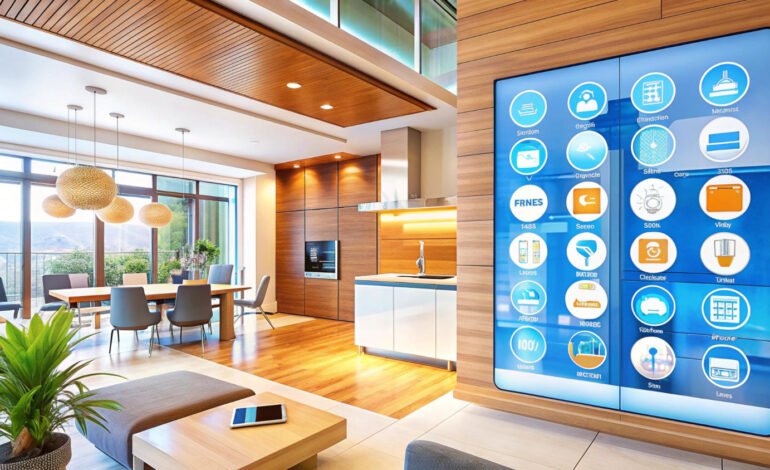

Walking into a dark, cold house after a long day at work is quickly becoming a relic of the past. For decades, science fiction promised us homes that would anticipate our needs, manage our chores, and keep us safe. That future has arrived, but it looks different than the robot butlers we were promised. Instead, it is seamless, intuitive, and largely invisible.
The concept of the “smart home” has matured. It is no longer just about novelty gadgets or clapping to turn on a lamp. The modern smart home is a holistic ecosystem designed to enhance lifestyle, improve energy efficiency, and provide unparalleled security. It is about technology that works for you, fading into the background while actively improving your daily routine.
From lighting that adjusts to your circadian rhythm to security systems that know the difference between a delivery driver and a stray cat, home automation is redefining domestic life. This guide explores the most impactful upgrades available this year, helping you navigate the shift from a connected house to a truly intelligent home.
Illuminating Your Life: Top Smart Lighting Solutions
Lighting does more than just help us see; it dictates the mood of a room and influences our biological clocks. Smart lighting is often the entry point for homeowners because the impact is immediate and the installation is generally simple.
The Power of Adaptive Lighting
Old-school lighting offers two states: on and off. Smart lighting introduces a spectrum of possibilities. Adaptive lighting systems can automatically shift the color temperature of your bulbs throughout the day. In the morning, they emit a cool, blue-white light to simulate daylight and boost alertness. As the evening approaches, they gradually shift to warm, amber tones, signaling to your body that it is time to wind down. This synchronization with natural light cycles can significantly improve sleep quality and overall well-being.
Scene Setting and Automation
Beyond health benefits, smart lighting offers incredible convenience through “scenes.” With a single voice command or a tap on your phone, you can transform your living room.
- Movie Mode: Dims the main lights and activates LED strips behind the TV for reduced eye strain.
- Dinner Party: Lowers the intensity and warms the color to create an intimate atmosphere.
- Vacation Mode: Randomizes lighting schedules to make the house appear occupied when you are away.
Energy Efficiency
Smart bulbs, which are almost exclusively LED, consume significantly less power than incandescent options. When paired with motion sensors, the savings increase. Lights in hallways, bathrooms, or garages can turn off automatically when no movement is detected, ensuring you never pay for illumination you aren’t using.
Advanced Climate Control: The Rise of Intelligent Thermostats
Heating and cooling account for a massive chunk of average household energy consumption. Intelligent thermostats address this by adding a layer of data analysis to your HVAC system.
Learning Your Routine
The defining feature of a modern smart thermostat is its ability to learn. Over the first few weeks of use, devices from brands like Nest or Ecobee analyze your behavior. They learn what temperature you prefer while sleeping, when you typically leave for work, and when you return. Eventually, the system creates a schedule that optimizes comfort without you ever touching the dial.
Geofencing Technology
Geofencing takes automation a step further. By connecting to the GPS on your smartphone, your thermostat knows when the last person has left the house. It automatically shifts to “Eco” mode to save energy. Conversely, as you commute home, it detects your approach and begins pre-heating or cooling the house, ensuring you walk into a comfortable environment without running the AC all day.
Room-Specific Comfort
Traditional systems measure temperature at a single point—usually the hallway—which often leads to hot or cold spots in other rooms. Smart thermostats often support remote sensors. You can place these in bedrooms or home offices, allowing the system to prioritize comfort in the rooms you are actually using, rather than heating an empty hallway.
Integrating Smart Security for Ultimate Peace of Mind
Security is a primary driver for smart home adoption. The modern security suite is proactive rather than reactive, offering real-time awareness of what is happening on your property.
Video Doorbells and Smart Locks
The front door is the first line of defense. Video doorbells allow you to see and speak with visitors from anywhere in the world. Artificial intelligence within these cameras can now distinguish between people, packages, animals, and vehicles, reducing false alarms.
Pairing a camera with a smart lock eliminates the anxiety of losing keys. You can unlock the door remotely for a dog walker or a contractor, or issue temporary digital keys that expire after a set time. This provides a digital log of who entered your home and when.
Comprehensive Monitoring
Smart security extends to the perimeter and interior of the home. Wireless cameras with long-lasting batteries can be placed anywhere, monitoring backyards or driveways. Inside, sensors on windows and doors alert you if they are opened unexpectedly.
Crucially, these systems integrate with other smart devices. If a smoke detector triggers, your smart system can automatically unlock the doors for a quick exit and flash the smart lights red to alert neighbors or the hearing impaired.
Home Automation Hubs: The Brain of the Operation
As you add more devices—bulbs, locks, speakers, cameras—management can become chaotic if every device requires a separate app. This is where the home automation hub comes in.
Centralized Control
A hub acts as the conductor of the orchestra. It connects disparate devices from different manufacturers, allowing them to communicate. Whether you choose a physical hub like Samsung SmartThings or a software-based ecosystem like Apple HomeKit, Google Home, or Amazon Alexa, the goal is centralization. This allows for complex automation, such as a “Goodnight” routine that locks the doors, turns off the lights, lowers the thermostat, and arms the security system—all at once.
The Impact of “Matter”
The smart home industry is currently undergoing a massive standardization shift called “Matter.” This is a universal language for smart home devices. In the past, you had to check if a bulb worked with Alexa or Siri. With Matter-compliant devices, compatibility issues are vanishing. This ensures that your lifestyle upgrades are future-proof and will work together regardless of the brand.
Future Trends: Smart Kitchens and Voice Control
The kitchen is the next frontier for home automation, moving beyond novelty into genuine utility.
The Connected Kitchen
Modern appliances are focusing on inventory management and precision.
- Smart Fridges: Cameras inside the fridge allow you to check your milk levels while you are at the grocery store. Some models can even suggest recipes based on the ingredients you currently have in stock, reducing food waste.
- Intelligent Ovens: Ovens with internal cameras and AI can identify what you are cooking and automatically set the correct temperature and time, preventing burnt meals.
- Leak Detection: While less glamorous, smart dishwashers and under-sink sensors can detect leaks immediately, shutting off water valves to prevent costly water damage.
The Evolution of Voice
Voice assistants have been around for years, but they are getting smarter. Thanks to advancements in Large Language Models (LLMs), voice interaction is becoming more conversational. Instead of memorizing specific robotic commands (“Turn on Living Room Light 1”), you will soon be able to say, “It’s a bit dark in here,” and the system will understand the context and adjust accordingly. This natural interaction lowers the barrier to entry, making smart homes accessible to everyone, regardless of tech-savviness.
The Environmental and Cost-Saving Benefits
While the initial investment in smart home technology can be significant, the long-term returns are compelling, both for your wallet and the planet.
Reducing the Carbon Footprint
Automated homes are efficient homes. By ensuring lights are never left on in empty rooms and heating is optimized for occupancy, a smart home significantly reduces energy waste. Smart sprinkler systems check local weather forecasts and skip watering if rain is predicted, conserving thousands of gallons of water annually.
ROI through Utility Savings
The data provided by smart energy monitors helps homeowners understand their consumption habits. Seeing exactly how much energy your vintage refrigerator uses might prompt an upgrade to an efficient model. Over time, the cumulative savings on electricity, gas, and water bills can offset the cost of the smart devices themselves. Furthermore, many insurance companies offer discounts on premiums for homes equipped with monitored smart security and leak detection systems.
Summary of Top Lifestyle Upgrades
Transforming your living space into a smart home is a journey of continuous improvement. Here is a recap of the upgrades that offer the most value this year:
- Smart Lighting: For better sleep, mood setting, and energy reduction.
- Intelligent Thermostats: For automated comfort and lower utility bills.
- Video Doorbells & Smart Locks: For secure, keyless entry and package monitoring.
- Automation Hubs: To centralize control and enable devices to work in harmony.
- Smart Appliances: To streamline cooking and prevent household disasters like leaks.
These technologies are no longer futuristic concepts; they are practical tools that solve everyday problems. By integrating them into your living space, you create a home that is safer, more efficient, and responsive to the way you live.
Ready to Upgrade Your Living Experience?
Navigating the world of smart home technology can be overwhelming with so many standards and devices to choose from. You don’t have to do it alone.
[Explore our smart home consultation services] today. Our experts will help you design a personalized automation plan that fits your lifestyle and budget, ensuring your home is ready for the future.
Frequently Asked Questions
Is a smart home secure from hackers?
Security is a valid concern for any connected device. However, you can significantly reduce risk by following best practices: always change default passwords, enable two-factor authentication on all apps, and keep your router and device firmware updated. Choosing reputable brands that prioritize security encryption is also essential.
Do I need to rewire my house to install smart lighting?
In most cases, no. Smart bulbs screw into existing fixtures. If you prefer smart switches (which control the fixture itself), they replace your standard wall switches. While smart switches require a neutral wire in the electrical box, many modern homes already have this.
Will smart devices increase my home value?
Yes, smart home technology is increasingly becoming a selling point. Features like smart thermostats, video doorbells, and keyless locks are attractive to buyers who view them as modern conveniences they won’t have to install themselves.