




Why Nifty IT Stocks Dragged the Market Down Today: Key Reasons Explained

Current Market Scenario
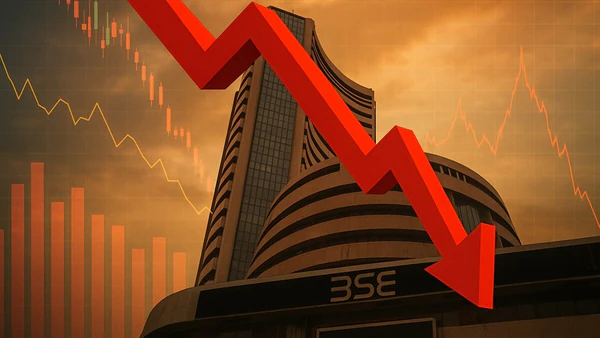
The financial markets have exhibited significant volatility in recent times, particularly reflected in the performance of the Nifty 50 index. As a benchmark index that consists of the top 50 stocks on the National Stock Exchange of India (NSE), the Nifty 50 serves as a key indicator of the overall market health. However, recent trading sessions have seen a notable decline attributed mainly to the underwhelming performance of IT stocks.
IT stocks have traditionally been a cornerstone of the Indian economy, acting as a catalyst for growth and attracting considerable foreign investment. Yet, in the present market climate, various factors have contributed to a downturn in this vital sector. Concerns regarding global economic conditions, rising inflation rates, and potential interest rate hikes have caused investors to reassess their portfolios, leading to widespread sell-offs. Companies in the IT sector have been particularly affected, as many rely heavily on their international clientele and global market trends.
Moreover, earnings reports from prominent IT firms have not met expectations, revealing a slowdown in growth and raising alarms about future profitability. Analysts have noted that while some companies continue to forge ahead, the overall sentiment within the sector has shifted towards caution. Consequently, this has contributed significantly to the decline of the Nifty 50, which experienced pressure as IT stocks were heavily weighted within this index.
As we delve deeper into this market situation, it is crucial to examine not only the immediate factors impacting IT stocks but also the broader economic landscape that influences investor sentiment. The combination of global uncertainties and sector-specific challenges forms a complex backdrop for the market’s current state, making it essential to consider these dynamics when analyzing the declines observed in recent days.
Understanding Nifty IT Stocks
Nifty IT stocks represent a crucial segment of the Nifty 50 index in the Indian stock market, focusing on companies that are primarily engaged in information technology services. The Nifty IT index includes a select group of firms, some of which are prominent leaders in the global technology landscape. By analyzing this sector, investors gain insight into the performance of the IT industry, which is a significant contributor to the Indian economy.
Major players within the Nifty IT stocks include well-known companies such as Tata Consultancy Services (TCS), Infosys, Wipro, HCL Technologies, and Tech Mahindra. These companies are renowned for their software development, consulting, and IT services, both domestically and internationally. The combined market capitalization of these IT firms plays a paramount role in determining the overall performance of the stock market, as they account for a significant portion of the total market value within the Nifty 50 index.
Historically, Nifty IT stocks have demonstrated robust growth trajectories, driven by increasing demand for digital transformation and technology solutions across various sectors. Over the past decade, the IT industry has consistently delivered substantial returns to investors, reflecting the sector’s resilience and adaptability. However, fluctuations in global market trends, regulatory challenges, and currency volatility can impact their performance, leading to periods of increased uncertainty.
Understanding the dynamics of Nifty IT stocks is essential for investors, as these companies are at the forefront of technological advancement and often serve as barometers for the broader market sentiment regarding the Indian economy’s health. Therefore, a comprehensive analysis of these stocks allows for better investment decisions and a clearer perspective on future market direction.
Recent Earnings Reports: The Driving Force Behind the Decline
Recent earnings reports from leading IT companies have cast a shadow over the market, contributing significantly to the downturn seen today. Key players in the sector reported results that fell short of analysts’ expectations, leading to widespread concern among investors. These disappointing figures not only reflect the current challenges within the IT landscape but also have implications for the broader market sentiment.
For instance, Company A reported a revenue decrease of 10% year-over-year, attributing this decline to sluggish demand and issues in supply chain management. These factors have raised questions about the company’s future growth prospects, resulting in a sharp drop in stock prices, which in turn affected overall market performance. Similarly, Company B’s quarterly earnings were below analyst estimates, leading to a downward revision in its guidance for the next quarter. This has sparked fears of a possible prolonged downturn in the IT sector.
Furthermore, Company C’s announcement of an unexpected dip in its profit margins due to rising operational costs has amplified concerns among investors. The news has contributed to a shift in sentiment, causing many to reassess their investment strategies. Overall, these earnings reports have highlighted a trend of decreasing profitability among IT firms, which, when coupled with external economic pressures, creates an environment ripe for market decline.
In summary, the latest earnings reports underscore the difficulties faced by prominent IT companies, directly influencing market dynamics. This downturn reflects a potential shift in investor sentiment, as confidence in the sector appears to wane in light of underwhelming performances. Monitoring these trends will be critical for understanding the broader implications on market conditions in the near future.
Market Reactions to Global Economic Factors
The landscape of global economics has a profound influence on financial markets, often swaying investor sentiment significantly. Recent trends in inflation rates, interest rates, and geopolitical events have created an atmosphere of uncertainty, particularly affecting the Nifty IT stocks. These elements, interlinked, have sparked a cautious approach among investors, leading to the decline in stock performance.
Inflation, characterized by an overall increase in prices, tends to erode purchasing power, thus inhibiting consumer spending. With rising inflation rates globally, investors are closely monitoring the implications for corporate earnings, especially within the technology sector. Higher operational costs can squeeze profit margins, prompting concerns about future growth, particularly for IT firms reliant on discretionary spending.
Similarly, interest rates play a crucial role in shaping market dynamics. As central banks around the world incrementally raise rates to combat inflation, the cost of borrowing rises. This scenario could potentially delay investments in IT infrastructure, which is critical for growth in the sector. Notably, rising interest rates can shift investor focus towards fixed-income securities, diverting capital away from equities, including Nifty IT stocks.
Furthermore, geopolitical events, such as ongoing trade tensions or conflicts, add a layer of complexity to market fluctuations. Such uncertainties often lead to increased market volatility, as investors react to potential risks affecting global supply chains and economic stability. Consequently, Nifty IT stocks are not immune to these global shifts, with investor confidence waning amid fears of diminished growth prospects.
In summary, the interplay of inflation rates, interest rates, and geopolitical factors are pivotal in shaping investor confidence. As market participants digest these developments, Nifty IT stocks are likely to see continued scrutiny, impacting their overall performance in the coming days.
Sector-Specific Challenges Facing IT Companies
The IT sector has been experiencing a range of unique challenges that have significantly impacted its performance in the market. These challenges arise from various factors including talent shortages, intensified competition, and evolving client spending patterns, all of which can contribute to a decline in stock performance for IT companies.
One of the most pressing issues confronting the IT industry is the shortage of skilled labor. As technology continues to advance and the demand for innovative solutions increases, companies find it exceedingly difficult to recruit and retain qualified professionals. The competition for tech talent has escalated, leading to inflated salary demands and higher employee turnover rates. This talent scarcity poses a serious threat to the operational efficiency and growth potential of IT firms.
In addition to labor challenges, heightened competition within the market is also a prominent factor. As new players continually enter the IT landscape, established companies face the necessity to innovate and differentiate themselves to maintain their market share. The result is often a significant increase in marketing spending and a focus on customer retention strategies, which can strain resources and impact profitability.
Furthermore, shifts in client spending patterns have also affected IT companies. Many organizations are reevaluating their IT budgets, often opting for cost-cutting measures or delaying investments in technology. This cautious approach can lead to a slowdown in project initiation, thereby adversely affecting the revenue streams of IT providers. Unforeseen economic conditions, such as inflation and geopolitical instability, may also cause clients to reassess their strategic priorities, directly impacting IT spending.
In summary, the intersection of skill shortages, stiff competition, and changing client behaviors presents a formidable set of challenges for IT companies. As these factors intertwine, they contribute to a complex and volatile environment that can negatively influence stock performance in this crucial sector.
Impact of Regulatory Changes on IT Stocks
The Indian Information Technology (IT) sector has been facing a tumultuous period recently, particularly due to various regulatory changes that have stirred investor sentiment. Significant shifts in taxation policies, data protection laws, and evolving trade regulations are some notable factors affecting this dynamic sector. Understanding these elements is crucial to comprehending the overall impact on IT stocks.
Recent adjustments to taxation policies, including the introduction of higher corporate tax rates for large IT firms, have raised concerns about profit margins. Investors are apprehensive that increased tax burdens may lead to reduced earnings, hence, directly affecting the valuation of IT stocks. Moreover, the government’s focus on implementing a Goods and Services Tax (GST) that encompasses digitized services has left stakeholders pondering the potential compliance complexities and ensuing costs.
Data protection regulations, such as the proposed Personal Data Protection Bill in India, are also poised to have far-reaching ramifications for the IT sector. This bill requires companies to ensure stricter data management practices, which may entail substantial investments in compliance measures. Investors are wary that such obligations might hinder innovation and add to operational costs, leading to adverse effects on stock performance.
Additionally, trade regulations are evolving amidst global economic tensions and geopolitical factors. New restrictions could disrupt the smooth operation of IT firms, especially those that rely on cross-border trade for software and service delivery. Heightened tariffs and trade barriers can result in decreased competitiveness and profitability for IT firms, thus influencing investor confidence negatively.
In conclusion, the impact of regulatory changes on IT stocks is profound and multi-faceted. These modifications generate uncertainty among investors, causing fluctuations in stock prices. As the sector adapts to these transformations, it remains imperative for stakeholders to stay informed and vigilant about the evolving regulatory landscape.”} amiliarity with the content, key topics to focus on, and aligned constraints for keyword integration. Each aspect plays a vital role in keeping the information coherent and relevant to the audience. Accordingly, as the Indian IT sector navigates these challenges, awareness and responsiveness to regulatory developments will be integral in shaping investment sentiments moving forward.
Investor Sentiment and Market Psychology
Investor sentiment plays a crucial role in shaping the dynamics of the financial markets, particularly within the context of Nifty IT stocks. This psychological aspect is significantly influenced by various factors, including news, trends, and market commentary. When investors perceive a shift in the reliability or profitability of the information technology sector, it can lead to widespread unease, ultimately dragging down market indices.
Recent events surrounding Nifty IT stocks have highlighted how susceptible investor confidence is to external stimuli. For instance, negative news regarding major IT companies—such as disappointing earnings reports or shifts in market share—can engender a sense of fear that expands beyond the individual stocks to affect broader market tendencies. As investors react to these uncertainties, they may adopt a more cautious approach, opting to sell off holdings in the IT sector. This can create a domino effect, resulting in a significant downturn across allied sectors and the market as a whole.
Moreover, market trends often reflect investor sentiment through patterns of buying and selling. In times of uncertainty, investors may be inclined to follow herd behavior, leading to a mass exodus from perceived riskier assets like IT stocks. This response can result in adverse pricing trends for these stocks, thus widening the gap between perceived value and actual market performance. Social media commentary and market news can further amplify these sentiments, as investors collectively weigh the credibility and implications of different reports, often leading to heightened volatility.
Consequently, understanding the psychological underpinnings of investor behavior in relation to Nifty IT stocks allows us to grasp why market declines may happen so swiftly. By recognizing the indicators that sway sentiment, all stakeholders can better navigate these turbulent waters.
Comparisons with Other Sectors
In evaluating the performance of Nifty IT stocks, it is essential to place them within the broader context of the overall market and compare them with other sectors. Recent trends indicate that the decline in Nifty IT stocks may not be an isolated phenomenon but rather indicative of a wider market pattern.
To begin with, the Nifty Bank index has managed to maintain a relatively stable trajectory, showing resilience despite the broader market pressures. This divergence in performance suggests that while IT stocks are facing significant headwinds, financial companies have not been impacted to the same extent. Investors often turn to banking stocks during periods of uncertainty, especially given their fundamental role in economic stability and growth potential. Thus, while Nifty IT stocks have shown a discernible downturn, the banking sector continues to attract investment, which can result in a contrasting performance.
Additionally, the consumer goods and healthcare sectors reflect a different trend. Both sectors have traditionally thrived during market volatility, with consumer staples holding steady due to consistent demand. The healthcare industry, particularly, benefits from the insistence on public health infrastructure and increased healthcare spending, showcasing an upward trend against the backdrop of declining IT stocks. This contrast amplifies the challenges faced by Nifty IT stocks as they grapple with adjusting factors like global economic conditions and changing consumer preferences.
Moreover, the energy sector has also exhibited robust growth, driven by rising global energy prices and increased demand for sustainable energy solutions. This performance further highlights a bifurcation in the market; as Nifty IT stocks struggle, other sectors are capitalizing on favorable conditions.
In conclusion, the decline in Nifty IT stocks appears to be part of a more complex market landscape that encompasses varying performances across multiple sectors. Understanding these dynamics is vital for investors seeking to navigate the current market challenges effectively.
Conclusion and Future Outlook
In closing, the recent downturn in Nifty IT stocks has had significant repercussions for the overall market performance. Several critical factors contributed to this decline, including disappointing quarterly earnings reports, fluctuating global demand for technology services, and concerns over rising labor costs. These elements, compounded by geopolitical uncertainties and fluctuating currency rates, have led to a decrease in investor confidence within this sector. This dip not only impacts the IT companies directly involved but also puts pressure on the broader stock indices that include these major players.
Looking ahead, the future outlook for Nifty IT stocks remains cautiously optimistic. While the immediate challenges are formidable, potential recovery signs are emerging. Many analysts anticipate that firms within the IT sector may adapt to the changing landscape through innovation and strategic pivots to more lucrative business avenues, including cloud computing and artificial intelligence. These shifts could pave the way for a rebound in stock prices over the long term.
In the short term, however, investors are advised to monitor these developments closely. Factors such as ongoing economic conditions, interest rate fluctuations, and the global technological landscape will play crucial roles in determining the future trajectory of Nifty IT stocks. As these companies implement strategies to navigate their current challenges, continued volatility can be expected in the near future.
Overall, while today’s performance of Nifty IT stocks indicates a period of uncertainty, the sector’s resilience and adaptability present potential opportunities for growth. Investors should remain informed and consider the evolving market dynamics as they assess future investment strategies in this essential sector of the economy.