

Lifestyle Trends 2026: How AI Is Transforming Personal Health & Daily Living


The year 2026 feels closer than the calendar suggests. We aren’t stepping into a science fiction novel filled with flying cars and robotic butlers, but we are entering an era where technology is far more intimate, intuitive, and integrated than ever before. The buzzwords of the early 2020s—machine learning, large language models, predictive analytics—have matured. They have moved from abstract concepts in tech journals to the silent engines powering our daily routines.
For decades, the “healthy lifestyle” was a one-size-fits-all prescription. We were told to walk 10,000 steps, sleep eight hours, and drink eight glasses of water. It was general advice for a general population. By 2026, that generic approach is obsolete. Artificial Intelligence has shattered the mold, replacing broad guidelines with hyper-personalized blueprints designed for an audience of one.
We are witnessing a fundamental shift in how we exist within our bodies and our homes. The technology surrounding us is no longer passive; it is an active participant in our well-being. It anticipates needs before we articulate them and identifies health risks before symptoms appear. This is the new reality of lifestyle trends in 2026, where AI acts less like a computer and more like a dedicated partner in personal growth.
The Rise of Personalized Wellness
The era of the “average user” is over. In 2026, wearable technology has evolved far beyond simple step counters or heart rate monitors. We now utilize comprehensive biometric feedback loops that create a living, breathing digital profile of our health.
Previously, you might have worn a smartwatch that told you how you slept. Now, that same device correlates your sleep quality with your blood glucose levels from the previous evening’s meal, your cortisol spikes during a morning meeting, and your hydration levels throughout the afternoon. It doesn’t just present data; it synthesizes it into actionable advice.
This is the creation of the custom health blueprint. AI algorithms process vast amounts of personal data—from genomic predispositions to real-time metabolic responses—to offer recommendations that are uniquely yours. If your genetic markers suggest a sensitivity to caffeine and your stress levels are trending high, your digital assistant might suggest swapping your morning espresso for a turmeric latte before you even reach the kitchen.
This personalization extends to fitness as well. The days of following a generic workout video are fading. AI-driven fitness coaches now adjust your training plan in real-time. If your biometric data indicates that your recovery from yesterday’s run is incomplete, your AI coach won’t push you through a high-intensity interval session. Instead, it will construct a mobility flow designed to target the specific muscle groups showing fatigue. This dynamic adjustment reduces injury risk and optimizes performance, ensuring that every minute of exercise contributes effectively to your long-term goals.
AI in the Home: The Ambient Sanctuary
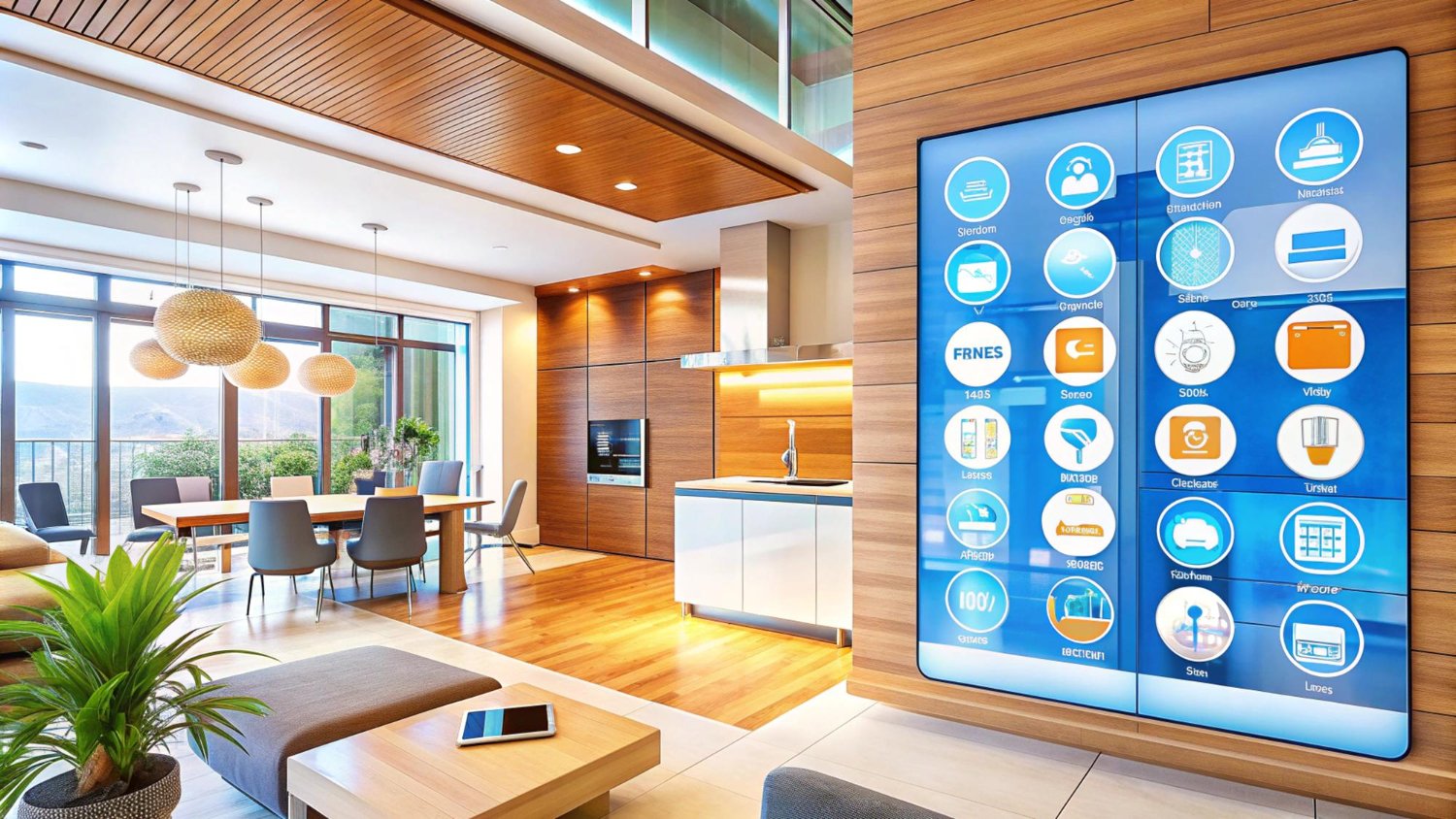
Your home in 2026 is no longer just a container for your stuff; it is an ecosystem that adapts to support your biological rhythms. The concept of the “smart home” has graduated from voice-activated lightbulbs to ambient computing that functions without direct commands.
Consider the kitchen. Smart refrigerators have moved beyond simply tracking expiration dates. They now communicate with your health blueprint. Knowing that your iron levels have been trending low this week, your kitchen inventory system suggests recipes rich in leafy greens and lean proteins. It might even add spinach to your grocery delivery order automatically. The friction between knowing what is healthy and actually doing it is significantly reduced because the environment itself nudges you toward better choices.
In the living room and bedroom, environmental sensors work to optimize your circadian rhythm. Lighting systems mimic the natural progression of the sun, shifting from cool, energizing blue tones in the morning to warm, melatonin-promoting ambers in the evening. This isn’t a static schedule; it adjusts based on your personal data. If your wearable detects that you had a restless night, the house might extend the “sunrise” simulation to help you wake up more gently or adjust the thermostat to a temperature that promotes deeper sleep the following night.
This responsive environment extends to productivity as well. Home offices in 2026 are equipped with AI tools that monitor focus and stress. If you’ve been sitting for too long or if facial recognition software detects signs of tension, your workspace might subtly adjust the lighting, play soundscapes designed to lower blood pressure, or prompt you to take a specific type of micro-break. The home becomes a sanctuary that actively cares for its inhabitants.
Mental Health and the Digital Companion
Perhaps the most profound shift in 2026 is occurring in the realm of mental health. The stigma surrounding mental wellness has continued to erode, aided by tools that make support accessible and immediate. We are seeing the normalization of AI-driven digital companions—sophisticated algorithms designed to provide psychological support and cognitive coaching.
These are not the clunky chatbots of the past. These companions utilize advanced natural language processing and emotional intelligence modeling to offer nuanced conversation. They serve as a first line of defense against anxiety and loneliness. For many, having a non-judgmental, always-available entity to process thoughts with is a game-changer. These tools can guide users through cognitive behavioral therapy (CBT) exercises, offer perspective during moments of panic, or simply provide a listening ear during a bout of insomnia.
Crucially, these tools are becoming adept at detecting the early warning signs of mental health decline. By analyzing changes in speech patterns, typing speed, social withdrawal, and sleep data, AI can identify shifts that a human might miss in themselves.
Real-time stress management has also become a reality. Wearables that track galvanic skin response and heart rate variability can detect a stress spike before the user consciously feels overwhelmed. The device can then intervene immediately, perhaps by guiding the user through a haptic breathing exercise or suggesting a momentary step away from a stressful situation. This moves mental health care from a scheduled, weekly appointment to a continuous, supportive presence.
From Reactive to Proactive Health
The traditional healthcare model was built on reaction: you get sick, you see a doctor, you get treated. The model of 2026 is built on prediction and prevention. We are moving toward a “Digital Twin” approach to medicine.
A Digital Twin is a virtual replica of your physiology, constantly updated with your real-time data. AI can run simulations on this twin to predict future health outcomes. It can model how your body might react to a specific medication, how a change in diet could impact your cholesterol over five years, or how your current stress levels might affect your heart health a decade from now.
This shifts the focus from treating illness to maintaining wellness. Predictive analytics allow us to intercept health issues before they become crises. For example, slight deviations in gait or balance detected by smart footwear could flag early neurological issues or injury risks in older adults, prompting preventative physical therapy long before a fall occurs.
This proactive approach alleviates pressure on the traditional healthcare system. Doctors in 2026 act more like high-level analysts and strategists. They spend less time diagnosing common ailments—which AI can do with high accuracy—and more time interpreting complex data trends and working with patients on holistic life strategies. The conversation shifts from “How do we fix this infection?” to “How do we optimize your trajectory for the next twenty years?”
Ethical Considerations in a Connected World
However, this hyper-connected, data-driven lifestyle is not without its complexities. As we embrace AI in 2026, we are forced to navigate significant ethical and social challenges. The primary concern, inevitably, is privacy.
To function effectively, these systems require an immense amount of intimate data. They need to know what we eat, how we sleep, what we say, and how we feel. The question of who owns this data—and who has access to it—is paramount. There is a delicate tension between the convenience of personalization and the right to obscurity. Consumers in 2026 are more privacy-literate, demanding transparent data governance and “on-device” processing where personal information never leaves the user’s hardware.
There is also the risk of over-reliance. As algorithms take over decision-making—telling us what to eat, when to sleep, and how to exercise—there is a danger of losing our intuitive connection to our own bodies. We must be careful not to outsource our agency completely. A notification on a screen should not override the physical sensation of hunger or fatigue. The goal of AI should be to educate and attune us to our bodies, not to alienate us from them.
Furthermore, we must address the potential for social isolation. While digital companions can offer support, they cannot replace the complex, messy, and vital nourishment of human connection. A streamlined life where every need is anticipated by a machine could inadvertently become a lonely one. Maintaining a balance where technology facilitates human interaction rather than replacing it remains a critical challenge for society.
The Partnership Era
The lifestyle landscape of 2026 is defined by partnership. We are moving away from the era of technology as a distraction and toward an era of technology as a support system.
The tools of 2026 allow us to understand ourselves with unprecedented clarity. They strip away the guesswork of staying healthy, allowing us to make decisions based on hard data rather than vague intuition. They create environments that support our biology rather than fighting against it.
Yet, the technology is only as good as our relationship with it. The most successful adopters of these trends will be those who view AI not as a master, but as a mirror—a tool that reflects our habits and health back to us, empowering us to make changes that align with our values.
As we look toward this near future, the promise of AI in personal health is not just about living longer. It is about living better. It is about freeing up mental energy from the minutiae of health management so we can focus on what truly matters: creativity, connection, and the enjoyment of life.
Ready to upgrade your future?
The world of lifestyle technology changes fast. Don’t get left behind. Subscribe to our newsletter today for exclusive insights, expert reviews on the latest health tech, and practical tips on how to integrate AI into your daily routine.