



Festive Special: Traditional Indian Sweets You Can Make at Home
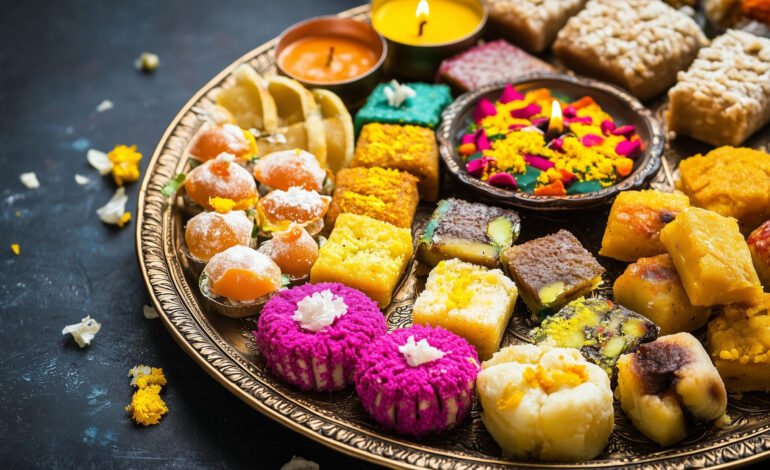

The aroma of cardamom and saffron wafting through the kitchen is the unofficial signal that festive season has arrived in an Indian household. Whether it’s Diwali, Holi, or Raksha Bandhan, no celebration is complete without mithai. These sweets are more than just dessert; they are a symbol of prosperity, happiness, and the sweetness of relationships.
While it’s easy to pick up a box from the local sweet shop, there is a unique magic in making these treats at home. The slow stirring of milk, the precise roasting of flour, and the delicate shaping of dough bring a sense of tradition and love that store-bought versions simply cannot replicate. Homemade sweets also allow you to control the quality of ingredients, ensuring that every bite is fresh, pure, and exactly to your liking.
If you have ever felt intimidated by the idea of making mithai from scratch, you aren’t alone. The glossy finish of a Kaju Katli or the perfect syrup-soaked texture of a Gulab Jamun can seem like culinary wizardry. But with the right ingredients and a few simple techniques, you can master these classics in your own kitchen.
The Essential Pantry Guide
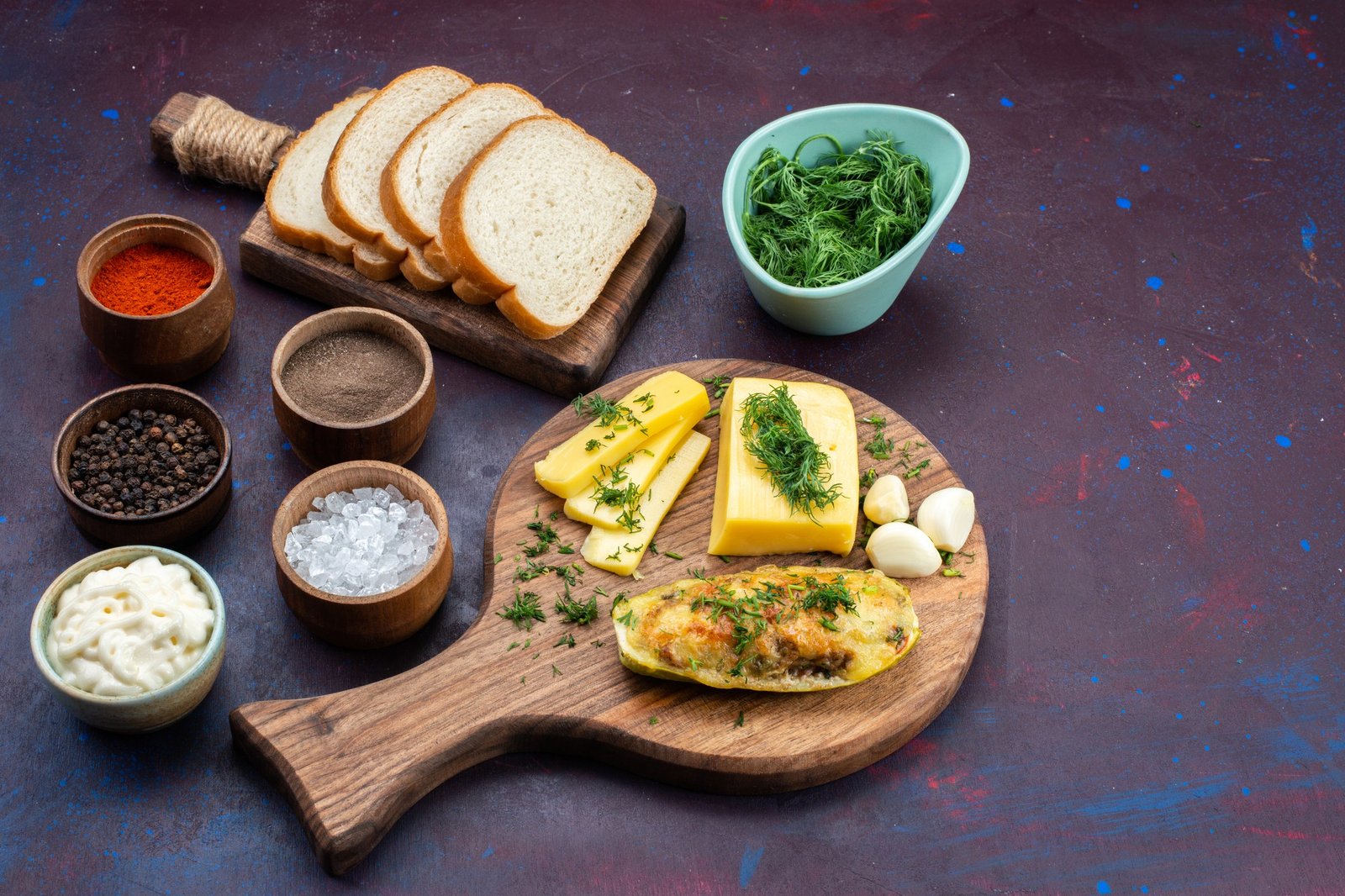
Before you fire up the stove, it is crucial to have the right building blocks. Indian sweets rely on a specific set of ingredients that create those signature rich, aromatic profiles. Here is what you need to stock up on for authentic homemade desserts.
Ghee (Clarified Butter)
This is the backbone of Indian confectionery. Unlike regular butter, ghee has a high smoke point and a nutty aroma that deepens the flavor of everything it touches. It provides the moist, melt-in-the-mouth texture essential for ladoos and halwas.
Besan (Gram Flour)
Made from ground chickpeas, besan is the primary ingredient for many popular sweets. It has a distinct, earthy flavor that transforms into a nutty, aromatic delight when roasted in ghee.
Cardamom and Saffron
These are the jewels of the spice cabinet. Green cardamom powder adds a fresh, floral note that cuts through richness, while saffron strands offer a luxurious golden hue and a subtle, honey-like fragrance.
Khoya (Mawa)
Khoya is milk solids obtained by slowly simmering milk until all the moisture evaporates. It adds richness and a grainy texture to sweets like Gulab Jamun and Burfi. While you can make it at home, high-quality store-bought khoya works well too.
Nuts and Dried Fruits
Cashews, almonds, pistachios, and raisins are used both as main ingredients (like in Kaju Katli) and as garnishes. They add necessary crunch and visual appeal.
Step-by-Step Recipes for Festive Classics
Ready to get cooking? Here are three timeless recipes that are sure to impress your guests.
1. Gulab Jamun: The King of Sweets
These deep-fried dough balls soaked in rose-scented sugar syrup are a crowd favorite.
Ingredients:
- 1 cup milk powder
- ¼ cup all-purpose flour (maida)
- 1 tsp ghee
- 2-3 tbsp warm milk
- A pinch of baking soda
- Oil or ghee for deep frying
- For Syrup: 1 cup sugar, 1 cup water, 4 cardamom pods, 1 tsp rose water.
Instructions:
- Make the Dough: Mix milk powder, flour, and baking soda. Add ghee and mix well. Slowly add warm milk to form a soft, sticky dough. Do not knead it heavily; just bring it together. Cover and rest for 10 minutes.
- Prepare the Syrup: Boil sugar and water with crushed cardamom pods until it reaches a “sticky” consistency (one-string consistency is not needed). Turn off heat and add rose water.
- Shape and Fry: Grease your hands and shape the dough into smooth, crack-free balls. Heat oil on medium-low heat. Slide the balls in gently. Fry slowly until they turn golden brown.
- Soak: Remove the fried balls and immediately drop them into the warm (not boiling) syrup. Let them soak for at least 2 hours before serving.
2. Kaju Katli: The Diamond Delight
This cashew fudge is beloved for its smooth texture and mild flavor.
Ingredients:
- 1 cup cashew nuts (room temperature)
- ½ cup sugar
- ¼ cup water
- 1 tsp ghee
Instructions:
- Powder the Cashews: Grind the cashews into a fine powder. Pulse the grinder in short bursts to prevent the nuts from releasing oil and turning into a paste. Sieve the powder to remove large chunks.
- Make the Syrup: In a non-stick pan, heat sugar and water. Boil until the sugar dissolves completely.
- Cook the Mixture: Add the cashew powder to the syrup. Stir continuously on low heat. The mixture will thicken and start leaving the sides of the pan.
- Knead and Shape: Once it forms a dough-like consistency, remove from heat. Grease a plate and transfer the mixture. Once it’s cool enough to touch, grease your hands with ghee and knead it until smooth.
- Roll and Cut: Place the dough between two sheets of parchment paper and roll it out to your desired thickness. Cut into diamond shapes and let it set for an hour.
3. Besan Ladoo: The Roasty Nutty Treat
A simple yet technically demanding sweet made with roasted gram flour.
Ingredients:
- 2 cups coarse besan (gram flour)
- ½ cup ghee
- 1 cup powdered sugar (boora or tagar preferred)
- ½ tsp cardamom powder
- Chopped nuts for garnish
Instructions:
- Roast the Flour: Heat ghee in a heavy-bottomed pan. Add besan and roast on low flame. Stir continuously. This takes patience—about 20-25 minutes. The flour will change color to golden brown and release a nutty aroma.
- Cool Down: Remove from heat and transfer to a bowl. Let it cool until it is lukewarm. Do not add sugar to hot besan, or the mix will melt and become runny.
- Mix and Shape: Add powdered sugar and cardamom. Mix thoroughly with your hands. Take small portions and press firmly to bind them into round balls. Garnish with almonds or pistachios.
Tips for the Perfect Texture
Even with the best recipes, mithai can be temperamental. Here is how to troubleshoot common issues.
Heat Management is Key
Patience is your best ingredient. Whether roasting besan or thickening milk, always use low to medium heat. High heat burns the ingredients on the outside while leaving them raw on the inside, ruining the flavor profile.
Sugar Syrup Consistency
Understanding “string consistency” is vital. For Gulab Jamun, you want a sticky syrup without threads. For Burfi or Katli, you typically need a one-string consistency (where a single thread forms between your thumb and forefinger when you pull them apart). If the syrup is too thin, the sweet won’t set; if it’s too thick, it will be rock hard.
Kneading the Dough
For dough-based sweets like Gulab Jamun, avoid over-kneading, which develops gluten and makes the balls tough. Conversely, for Kaju Katli, kneading the warm mixture is essential to release the natural oils and get that smooth, signature sheen.
Healthier Alternatives for the Calorie-Conscious
Festivals shouldn’t mean compromising on health goals entirely. You can tweak traditional recipes to make them lighter without losing the essence of the celebration.
Sweetener Swaps
Replace refined white sugar with jaggery (gur) or coconut sugar. Jaggery adds an earthy depth and contains trace minerals like iron. For a diabetic-friendly version, stevia or monk fruit sweeteners can work in recipes like Kheer or Halwa.
Nut-Based Base
Instead of flour-heavy sweets, opt for nut-based ones like Badam Katli or date and nut rolls. Dates provide natural sweetness and binding, eliminating the need for added sugar and ghee entirely.
Baked, Not Fried
Classics like Gujiya (sweet dumplings) are traditionally deep-fried. However, brushing them with a little ghee and baking them in an oven or air fryer creates a crispy exterior with significantly less fat.
Share Your Sweet Success
Cooking traditional Indian sweets at home is a rewarding journey that connects you to heritage and brings joy to your family. As you prepare for the upcoming festivities, don’t be afraid to experiment and get your hands a little greasy. The imperfections in homemade mithai are just proof that they were made with love.
We would love to see how your festive treats turn out! Did you master the Kaju Katli or put a healthy spin on the Ladoo? Snap a picture of your creations and tag us on social media using #MyFestiveSweets. Let’s make this festive season the sweetest one yet!