


Modi’s Israel Visit Explained: Strategic Ties, West Bank Tensions, and Global Impact
Indian Prime Minister Narendra Modi’s visits to Israel have consistently made headlines, sparking conversations about shifting alliances, regional diplomacy, and India’s evolving role on the global stage. His historic 2017

Indian Prime Minister Narendra Modi’s visits to Israel have consistently made headlines, sparking conversations about shifting alliances, regional diplomacy, and India’s evolving role on the global stage. His historic 2017 trip marked the first time an Indian Prime Minister had set foot in Israel, signaling a dramatic shift in bilateral relations. Subsequent engagements have only deepened the bond between New Delhi and Tel Aviv, raising questions about what these ties mean for India’s traditional support of Palestine, its strategic interests, and the broader geopolitical landscape.
Understanding Modi’s Israel visits requires examining the complex web of historical relationships, defense partnerships, economic ambitions, and diplomatic maneuvering that defines India’s foreign policy. This post explores the strategic motivations behind India’s warming relationship with Israel, the economic and technological benefits both nations seek, and the delicate balancing act India must maintain with Palestine and the Arab world.
By the end, you’ll have a clearer picture of why these visits matter—not just for India and Israel, but for global politics, regional stability, and the future of Middle Eastern diplomacy.
The Evolution of India-Israel Relations
For decades after Israel’s founding in 1948, India maintained a cautious distance. Driven by solidarity with the Palestinian cause, support for the Non-Aligned Movement, and sensitivity to its large Muslim population, India did not establish full diplomatic relations with Israel until 1992. Even then, engagement remained relatively low-key.
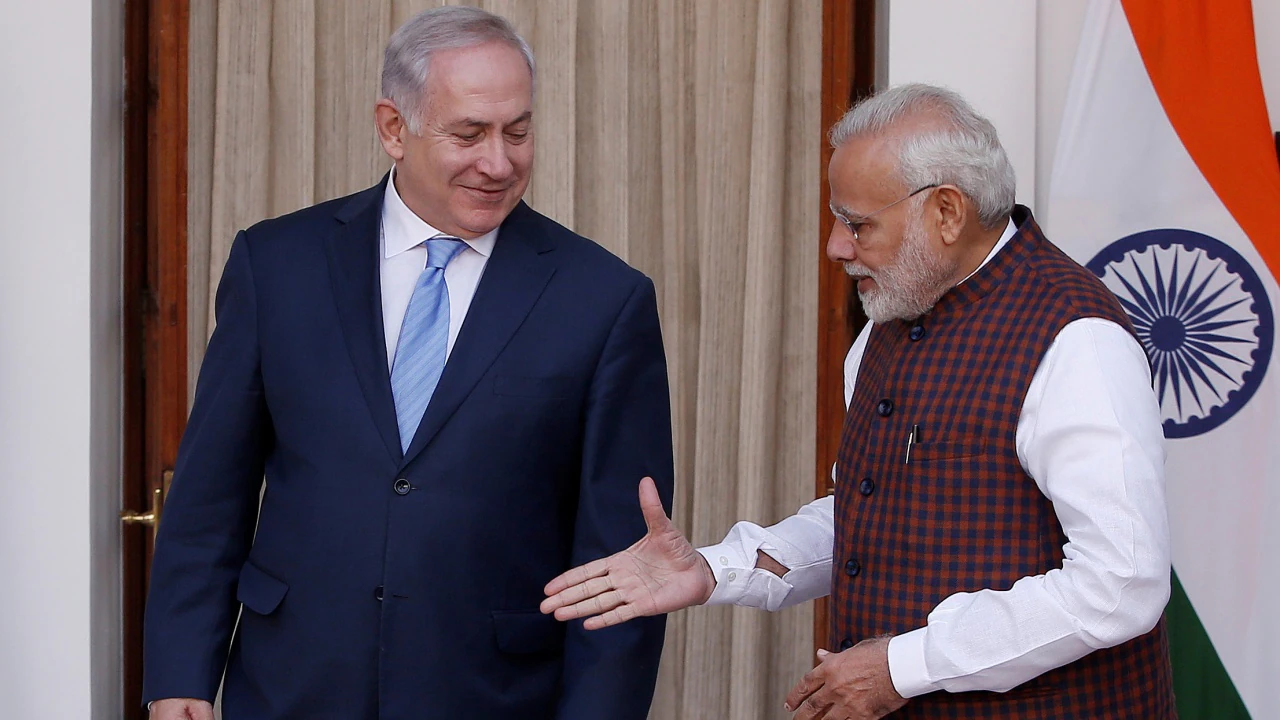
Modi’s 2017 visit changed everything. By traveling to Israel without a corresponding visit to Palestine (a break from tradition), Modi sent a clear message: India was ready to pursue its national interests more pragmatically, even if it meant rethinking old alliances. This wasn’t about abandoning Palestine entirely, but rather about recognizing Israel as a valuable partner in areas critical to India’s development and security.
The relationship has since flourished. High-level exchanges have become routine, bilateral trade has grown substantially, and cooperation spans defense, agriculture, water management, and cybersecurity. Modi’s visits symbolize India’s willingness to engage with Israel on its own terms, free from the ideological constraints that once shaped its foreign policy.
Strategic Military and Defense Partnerships
One of the most compelling reasons behind India’s deepening ties with Israel is defense cooperation. Israel has emerged as one of India’s top arms suppliers, providing advanced weapons systems, surveillance technology, and intelligence-sharing capabilities that are crucial for India’s security challenges.
India faces complex threats along its borders with Pakistan and China, as well as internal security concerns related to terrorism and insurgency. Israeli technology—ranging from drones and missile defense systems to border surveillance equipment—has proven invaluable. The two countries have collaborated on projects like the Barak missile defense system and various unmanned aerial vehicles (UAVs) used by the Indian military.
Beyond hardware, the partnership extends to joint research and development, counter-terrorism expertise, and intelligence cooperation. Israel’s experience in asymmetric warfare and counterinsurgency offers lessons that India can apply to its own security environment. This practical, results-oriented collaboration has made Israel an indispensable partner in India’s defense modernization efforts.
For Israel, India represents a massive market and a strategic ally that doesn’t come with the political baggage of its relationships with Western nations. The mutual benefits are clear: India gains access to cutting-edge technology, while Israel secures a reliable partner and a lucrative export market.
Economic Cooperation and Technological Exchange
Defense isn’t the only area where India and Israel have found common ground. Economic ties have expanded rapidly, with bilateral trade reaching approximately $5 billion annually in recent years. Key sectors include agriculture, water management, technology, pharmaceuticals, and renewable energy.
Israel’s expertise in drip irrigation, precision agriculture, and water conservation has particular relevance for India, a country grappling with water scarcity and the need to boost agricultural productivity. Israeli companies have established research centers in India, introducing technologies that help farmers maximize yields while conserving resources. These innovations are vital for India’s food security and rural development.
The technology sector has also seen significant collaboration. Israeli startups and Indian IT companies have partnered on cybersecurity, artificial intelligence, and digital infrastructure projects. India’s large market and skilled workforce complement Israel’s innovation ecosystem, creating opportunities for joint ventures and knowledge transfer.
Beyond commerce, educational and cultural exchanges have increased. Indian students pursue higher education in Israel, particularly in fields like agriculture and engineering, while Israeli experts participate in capacity-building programs in India. These people-to-people connections strengthen the foundation of the bilateral relationship, making it more resilient to political fluctuations.
The Delicate Balancing Act with Palestine
While India’s relationship with Israel has grown warmer, New Delhi has tried to maintain its historical support for the Palestinian cause. This balancing act reflects India’s desire to preserve its credibility with the Arab and Muslim world while pursuing strategic partnerships that serve its national interests.
India continues to support a two-state solution to the Israeli-Palestinian conflict and provides development assistance to Palestine. Modi has visited Palestine, met with Palestinian leaders, and reiterated India’s commitment to Palestinian sovereignty. However, the substance of India’s support has shifted. Compared to the vocal advocacy of previous decades, India’s current approach is more measured and pragmatic.
This shift hasn’t gone unnoticed. Some critics argue that India’s growing closeness with Israel undermines its stated support for Palestine. Others point out that India’s stance reflects a broader trend among nations prioritizing economic and security interests over ideological commitments.
The challenge for India is navigating this terrain without alienating key partners. The Arab world, particularly the Gulf states, remains important for India’s energy security and the welfare of millions of Indian expatriates working in the region. While many Arab nations have themselves normalized relations with Israel through the Abraham Accords, India’s position remains sensitive given its domestic considerations and its role as a leader among developing nations.
Global Geopolitical Implications and Future Outlook
Modi’s Israel visits have implications that extend beyond bilateral ties. They reflect broader shifts in global geopolitics, including the declining influence of old ideological blocs, the rise of transactional diplomacy, and the increasing importance of technology and security in international relations.
India’s engagement with Israel is part of a larger recalibration of its foreign policy. As India seeks to position itself as a major global power, it’s pursuing relationships based on pragmatism rather than historical alignment. This approach has led to closer ties with the United States, Israel, Gulf states, and even traditional rivals, all while maintaining strategic autonomy.
For Israel, strengthening ties with India offers a counterbalance to its isolation in many international forums. India’s support—or at least its neutrality—on contentious issues provides diplomatic breathing room. Additionally, as India’s global influence grows, Israel benefits from association with a rising power that has significant sway in Asia, Africa, and beyond.
Looking ahead, the India-Israel relationship is likely to deepen further. Both nations face shared challenges, from terrorism and cybersecurity threats to water scarcity and climate change. Collaborative solutions in these areas could serve as models for other developing nations.
However, the relationship will continue to be tested by regional dynamics. Conflicts in the Middle East, India’s ties with Iran and Arab states, and domestic political pressures will all shape how this partnership evolves. The key for India will be maintaining flexibility, ensuring that its engagement with Israel doesn’t come at the expense of other strategic relationships.
What This Means for You
Modi’s visits to Israel are more than diplomatic photo opportunities—they represent a fundamental shift in how India engages with the world. For citizens, policymakers, and observers of international relations, these developments offer several takeaways.
First, they underscore the importance of pragmatism in foreign policy. As global challenges become more complex, nations must be willing to adapt, forge new partnerships, and pursue their interests without being constrained by outdated frameworks.
Second, they highlight the interconnectedness of economics, technology, and security. The India-Israel partnership shows that meaningful collaboration can span multiple domains, creating mutual benefits that go beyond traditional diplomacy.
Finally, they remind us that diplomacy is a balancing act. India’s efforts to maintain ties with both Israel and Palestine illustrate the challenges countries face when navigating competing interests and values.
Stay informed about these developments. Understanding the strategic calculations behind Modi’s Israel visits can provide insights into India’s future direction and the evolving dynamics of global politics. Whether you’re a student of international relations, a business professional exploring opportunities, or simply a curious observer, these shifts will shape the world we live in for years to come.
Related Blog Post:
Modi’s Israel Visit Explained: Strategic Partnership Amid West Bank Tensions