




Namibia Country Enters the Space Era with New Satellite Ground Station
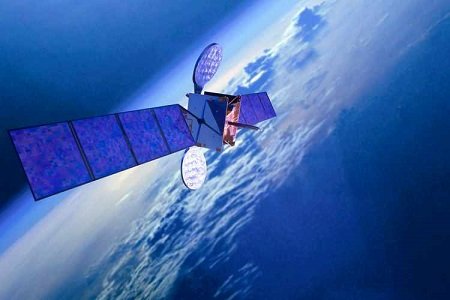

Namibia has taken a significant step forward in advancing its capabilities in space technology with the recent establishment of a new satellite ground station. This development marks a critical milestone for the nation, enabling it to participate actively in the evolving global space sector. With the ongoing advancements in satellite technology, Namibia’s entry into the space era is a timely response to the increasing reliance on space-based solutions for various sectors, including communication, environmental monitoring, and disaster management.
The incorporation of a satellite ground station will serve multiple functions, facilitating improved connectivity and data sharing across the country and beyond. It will foster the growth of local expertise in satellite communications and provide opportunities for collaborative projects with international space organizations. The anticipated benefits extend to enhancing the nation’s capabilities in sectors such as agriculture, healthcare, and education, where space technology can play a pivotal role in decision-making and resource management.
Space technology has become integral to modern society, impacting everything from navigation systems used in everyday life to critical scientific research conducted off-planet. The role of satellites in data collection and analysis has proven invaluable for understanding climate change and managing natural resources. In this context, Namibia’s investment in satellite infrastructure positions the nation to leverage these technologies to better address local challenges while contributing to the global discourse on such pressing issues.
As Namibia embarks on this journey into the space age, the satellite ground station embodies both ambition and opportunity. The implications of this venture are profound not only for local technological advancement but also for fostering a spirit of innovation and collaboration among the nation’s youth and entrepreneurs, encouraging a future where space technology is a cornerstone of development.
Importance of Satellite Ground Stations
Satellite ground stations serve as a critical component in the ecosystem of satellite operations. They function as the interface between the satellites orbiting the Earth and the users who depend on the data these satellites provide. In essence, ground stations enable effective communication, data collection, and support for various satellite missions.
Communication with satellites relies heavily on ground stations, which facilitate two-way data transmission. These facilities send commands to the satellite, controlling its functions and positioning, while simultaneously receiving data such as images, signals, and telemetry information. This bidirectional communication ensures the ongoing functionality and accuracy of satellite operations, which is essential for applications ranging from weather forecasting to global positioning systems.
Moreover, satellite ground stations play a pivotal role in data collection. They serve as reception points for vast amounts of telemetry and scientific data transmitted by satellites. This data is instrumental for a variety of sectors including research, climate monitoring, agriculture, and disaster management. For instance, data collected from earth observation satellites can help scientists analyze environmental changes, enabling timely responses to natural disasters and informing policy decisions related to climate change.
In addition to communication and data collection, satellite ground stations provide essential support for satellite missions. This includes monitoring the health and status of satellites, ensuring they are functioning properly and making necessary adjustments when anomalies arise. The technical expertise found at these stations is vital for troubleshooting and addressing issues that may occur during the satellite’s operational life. Thus, ground stations not only facilitate the day-to-day operations of satellites but also ensure their longevity and reliability.
The Development of Namibia’s Ground Station
The establishment of Namibia’s satellite ground station marks a significant milestone in the country’s space exploration journey. The history of this project traces back to the recognition of the critical role that satellite technology plays in various sectors, including agriculture, environmental monitoring, and disaster management. Leaders in Namibia have envisioned a state-of-the-art facility capable of receiving and processing satellite signals to benefit both national development and regional partnerships.
Central to the realization of this vision was a series of collaborations with notable international space agencies, including the European Space Agency and the Indian Space Research Organisation. These partnerships have been pivotal, leveraging technical expertise and knowledge sharing to bolster Namibia’s capability in satellite communication and data handling. Importantly, these collaborations were also aimed at advancing regional capabilities, fostering a cooperative approach to satellite technology within Southern Africa.
The financial backing for the development of the ground station came from a combination of government funding and international grants, which were strategically sought out to enable the project’s success. This funding model not only highlighted the importance of investment in space technology but also underscored the commitment of the Namibian government to enhancing its technological landscape.
The project timeline spanned several years, involving phases of planning, construction, and eventual launch. Key milestones included the completion of infrastructure set-up and the operational testing of the ground station, which confirmed its readiness to receive data from orbiting satellites. Furthermore, the ground station is expected to serve as a pivotal node in satellite communications and will facilitate advancements in local research capabilities.
Technological Features of the New Ground Station
The recently launched satellite ground station in Namibia represents a significant advancement in the nation’s space capabilities. The ground station is equipped with state-of-the-art tracking systems that utilize precise antenna technology to monitor satellite movements effectively. This capability is crucial for maintaining communication with satellites in low Earth orbit, allowing for real-time tracking and data acquisition.
The facility operates across a diverse range of communication frequencies, which enhances its ability to interact with various satellite types. This versatility accommodates a wide array of applications, including telecommunications, Earth observation, and scientific research. By enabling communication across multiple bands, the ground station can conduct simultaneous uplink and downlink operations, thereby optimizing its efficiency in data handling.
Furthermore, the new ground station integrates advanced software solutions capable of processing large volumes of data from satellite feeds. This software employs sophisticated algorithms to deliver actionable insights from data analysis, which is particularly beneficial for sectors such as agriculture, meteorology, and land management. The systematic approach ensures that Namibia can utilize satellite data for national development effectively.
In addition to its core functionalities, the ground station features automated systems that help maintain optimal operational performance. These systems monitor hardware condition, signal integrity, and environmental factors that could affect performance, ensuring robust reliability. Moreover, the inclusion of security protocols safeguards communication channels from potential cyber threats, a critical consideration in today’s technologically advanced landscape.
Ultimately, the combination of cutting-edge tracking technologies, diverse communication frequencies, and advanced operational features empowers Namibia to harness satellite technology effectively. This positions the country as a competitive player in the growing space sector, enabling it to foster technological innovation and enhance its capacities in global satellite operations.
Implications for Namibia’s Economy
The establishment of a new satellite ground station in Namibia is poised to significantly impact the nation’s economy. This advancement opens avenues for job creation, foreign investment, and sectoral innovation, especially in areas like agriculture, tourism, and resource management.
Firstly, the launch of the satellite ground station will create numerous job opportunities across various skill levels. Technicians, engineers, and IT specialists will be essential for the operation and maintenance of the ground station. Moreover, the need for administrative and support staff will further diversify job availability, contributing to a reduction in unemployment rates and boosting local income levels.
Additionally, the satellite facility is likely to attract foreign investment in the technology and telecommunications sectors. This influx of capital can stimulate economic growth by fostering the development of local businesses that support satellite-based services. With increased investment, Namibia can enhance its technological infrastructure, ensuring that the country remains competitive within the global market.
Furthermore, the satellite ground station is expected to drive innovation across various sectors. In agriculture, for instance, satellite data can facilitate precision farming, allowing farmers to optimize crop management through advanced monitoring of soil health, weather patterns, and pest control. This can lead to increased productivity, food security, and sustainable management of natural resources.
Tourism can also benefit from enhanced satellite capabilities, as up-to-date location data and mapping services can improve the visitor experience. Better resource management enabled by satellite imagery can assist in maintaining the country’s natural attractions, essential for attracting international tourists.
In conclusion, the launch of the new satellite ground station represents a transformative development in Namibia’s economy, offering job creation, foreign investment, and innovative opportunities across multiple sectors. The successful integration of these advancements will not only elevate Namibia’s economic status but also enhance the quality of life for its citizens.
Enhancing Research and Development
The establishment of a new satellite ground station in Namibia marks a significant milestone in the country’s journey toward harnessing space technology for national development. This groundbreaking facility serves as a crucial asset for enhancing research and development across various scientific domains. By providing access to satellite data, the station facilitates climate monitoring, geospatial analysis, and wildlife conservation efforts, ultimately contributing to informed decision-making.
One of the most pressing issues in Namibia is the impact of climate change on its ecosystems. The satellite ground station enables researchers to access real-time satellite imagery and analytical tools, which are invaluable for studying climate patterns, tracking environmental changes, and predicting weather-related phenomena. This data plays a pivotal role in formulating strategies to mitigate the effects of climate change on vulnerable populations and ecosystems.
Furthermore, the ground station opens up avenues for collaborative research initiatives between local academic institutions and international partners. Such collaborations can lead to innovative solutions, fostering a culture of research and development within Namibia. Educational institutions can leverage satellite data for academic purposes, thus enriching the curriculum and enhancing practical learning experiences for students pursuing fields related to science, technology, engineering, and mathematics (STEM).
Moreover, the capacity for geospatial analysis is significantly amplified by the new satellite capabilities. This technology can be applied in various sectors, including agriculture, urban planning, and resource management. For instance, farmers can utilize satellite data to monitor crop health and optimize irrigation practices, leading to improved food security in the region.
In wildlife conservation, satellite data plays an essential role in tracking animal movements and habitat changes, aiding in conservation strategies. The increased ability to monitor and manage Namibia’s unique biodiversity can ensure the protection of endangered species and promote sustainable tourism, fostering economic stability in local communities.
International Collaboration and Partnerships
As Namibia embarks on its journey into the space era with the launch of its new satellite ground station, the importance of international collaboration and partnerships cannot be overstated. Engaging with other countries and international space organizations has become a central component of Namibia’s strategic approach to ensure the successful implementation of its space initiatives.
Namibia has actively sought to forge relationships with nations that possess advanced space technologies and significant experience in satellite operations. These partnerships facilitate the exchange of knowledge and expertise, which are vital for the development of Namibia’s local capabilities. Collaborations with established space-faring nations not only enhance Namibia’s technical skill set but also promote the sharing of best practices in satellite communication, data analysis, and remote sensing.
Existing partnerships with international organizations, such as the African Space Agency (ASA) and other regional bodies, allow Namibia to take part in broader continental space initiatives. These collaborations enable Namibia to contribute to critical projects, including those aimed at addressing climate change, natural resource management, and disaster monitoring. By working together, partner countries can leverage their unique strengths to achieve common goals, reinforcing the idea that space is a global endeavor.
Furthermore, as Namibia continues to develop its satellite ground station, it holds the potential to serve as a hub for regional space activities, fostering cooperation among neighboring countries. Through such initiatives, Namibia can play a significant role in advancing the African space agenda, thereby contributing to the global space community. This emphasis on international partnerships not only enhances Namibia’s capabilities but also positions the nation as a credible player in the rapidly evolving field of space exploration and technology.
Challenges Ahead
As Namibia embarks on its journey into the space era with the establishment of a new satellite ground station, various challenges must be addressed to fully leverage its capabilities. One of the foremost challenges is technological. Operating modern satellite technology requires not only advanced equipment but also a skilled workforce. The current lack of local expertise in satellite operations may hinder the effective utilization of the facility. Training programs and educational partnerships will be essential to build the necessary skills among local personnel. Additionally, as the technology in the space sector evolves rapidly, continuous investment in updates and innovations will be crucial to maintain operational efficiency.
Financial constraints represent another significant challenge. Establishing and maintaining a satellite ground station involves substantial investments not only in infrastructure but in ongoing operational costs as well. Namibia, being a developing country, may find it challenging to secure the necessary funding without international support or strategic partnerships. Attracting private investment could be a viable solution, yet the government must showcase the potential economic benefits derived from leveraging space technologies to entice stakeholders.
Infrastructural challenges also cannot be overlooked. The success of the satellite ground station is highly reliant on robust telecommunications infrastructure, power supply, and transportation networks. Namibia’s current infrastructure may not fully support the demanding needs of space operations. This necessitates a comprehensive approach to infrastructure development, which could involve collaboration with international partners and local governments.
Lastly, geopolitical considerations may pose risks to Namibia’s space program. The growing competition for resources and strategic positioning in the space domain implies that geopolitical tensions could influence access to technology and partnerships. Namibia must navigate these international relations carefully to ensure a stable environment conducive to its space endeavors.
Conclusion: A New Era for Namibia
The launch of Namibia’s new satellite ground station marks a significant milestone in the country’s journey into the space sector. This development not only enhances Namibia’s technological capabilities but also positions the nation as an emerging player on the global stage. By investing in satellite technology, Namibia aims to improve various sectors, including communication, agriculture, environmental monitoring, and disaster management. The potential applications of satellite data can catalyze growth and innovation across the board, significantly boosting the economy.
Furthermore, the initiative reflects a broader commitment to leveraging technology for sustainable development. As Namibia integrates satellite technology into its national infrastructure, the nation stands to benefit from improved data-driven decision-making processes. This advancement fosters greater effectiveness in managing natural resources and addressing climate change challenges. The implications of these innovations reach beyond Namibia’s borders, as collaborative efforts with international space organizations or partnerships can enhance research and development within the space community.
Looking ahead, Namibia’s entry into the space sector presents an opportunity for the country to inspire future generations. The establishment and success of the satellite ground station could motivate educational institutions to incorporate space science into their curricula, thereby nurturing a new workforce skilled in technology and engineering. This underscored emphasis on education will ensure that Namibia not only participates in the global space community but also contributes meaningfully.
In conclusion, the launch of the ground station signifies the dawn of a new era for Namibia, filled with prospects for advancement, collaboration, and a stronger position in the global arena. It is a pivotal moment that encourages stakeholders to harness this potential, ultimately shaping the future trajectory of the nation.