
Survival to Symbolism: Why Humans Began Styling Their Clothing


Clothing serves two purposes: it shields us from the elements and helps us express who we are. A winter coat protects against the cold, but its color, cut, and fabric also say something about the person wearing it. This dual nature—practical and symbolic—has defined human dress for millennia.
But when did clothing stop being purely about survival? When did our ancestors start caring about how their garments looked, not just how well they functioned? The shift from basic animal hides to ornate robes wasn’t sudden. It unfolded gradually, shaped by environmental demands, social hierarchies, and the innate human desire to communicate identity.
Understanding this evolution reveals much about human psychology and culture. Clothing became a visual language long before the written word, conveying status, belonging, and individuality. This post traces that journey—from the first sewn furs to the complex symbolic systems of modern fashion.
The Survival Era: Clothing as Environmental Defense
Early humans didn’t dress for aesthetics. They dressed to live.
Archaeological evidence suggests that humans began wearing clothing between 170,000 and 83,000 years ago, coinciding with significant climate shifts. As our ancestors migrated out of Africa into cooler regions, they needed protection from harsh weather. Animal skins and plant fibers became essential tools for survival.
These early garments were rudimentary. Hides were scraped clean, sometimes softened with animal fat, and wrapped around the body. Sinew or plant fibers served as primitive thread. The goal was simple: stay warm, stay dry, stay alive.
There’s little evidence that these early humans cared about how their clothing looked. Function dictated form entirely. A well-made fur cloak meant the difference between hypothermia and warmth. Decoration was irrelevant when survival hung in the balance.
Yet even in this purely utilitarian phase, the seeds of ornamentation were being planted. The act of shaping materials, of transforming raw hide into something wearable, required creativity and skill. This foundational craftsmanship would eventually give rise to something more complex.
The Birth of Ornamentation: When Function Met Form
Somewhere along the timeline, humans started adding unnecessary elements to their clothing. Beads. Dyes. Patterns. These additions didn’t improve warmth or durability. So why did they appear?
The oldest known evidence of clothing decoration dates back roughly 40,000 years. Archaeological sites have uncovered bone needles, shell beads, and traces of ochre—a natural pigment used for coloring. These finds suggest that Paleolithic humans weren’t just covering their bodies; they were beginning to adorn them.
Several theories explain this shift. One possibility is social signaling. As human groups grew larger and more complex, visual markers became useful for identifying members of a tribe or clan. A specific pattern or color could distinguish friend from stranger at a glance.
Another factor may have been ritual significance. Anthropologists have observed that many indigenous cultures use clothing in ceremonies and rites of passage. Decorative elements might have carried spiritual meaning, connecting the wearer to ancestors or deities.
There’s also the simple human impulse toward beauty. Creating something visually pleasing doesn’t always serve a practical purpose. It satisfies an aesthetic desire—a trait that appears to be uniquely human. The act of dyeing fabric or stitching beads into leather may have brought joy or pride, reinforcing social bonds within the group.
Whatever the reason, this era marks a critical transition. Clothing was no longer just armor against nature. It was becoming a canvas.
Social Stratification Through Fabric: Clothing as a Marker of Rank
As civilizations developed, clothing became a powerful tool for reinforcing social hierarchies. The materials, colors, and styles people wore began to reflect their place in society.
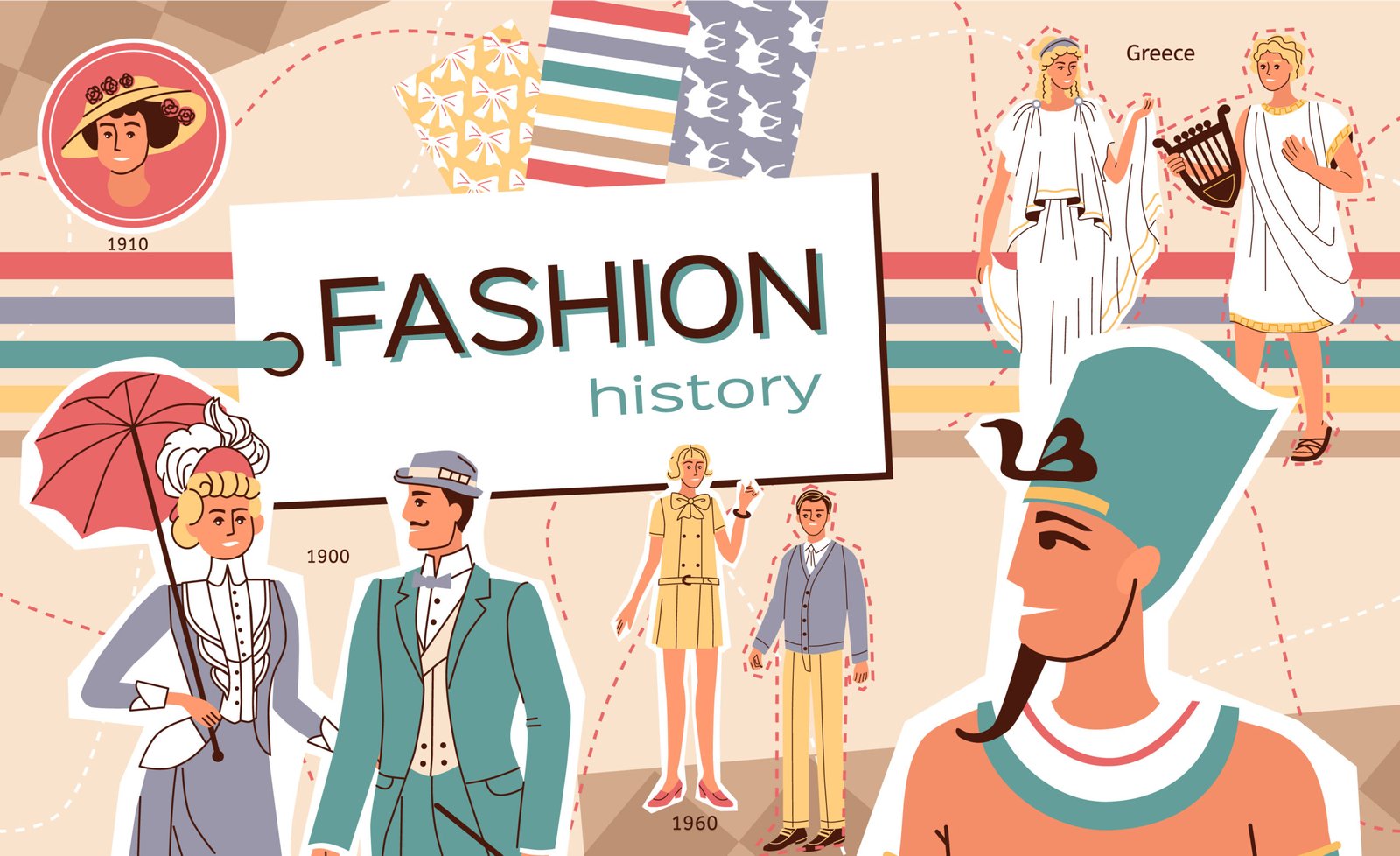
Ancient Egypt offers a clear example. Linen was the fabric of choice, valued for its breathability in the desert heat. But not all linen was equal. Fine, sheer linen indicated wealth and status, while coarser weaves were worn by laborers. Pharaohs and priests adorned themselves in elaborate pleated garments, often embellished with gold and precious stones.
Color also played a significant role. Tyrian Purple, a dye extracted from sea snails, became one of the most coveted pigments in the ancient world. It required thousands of snails to produce even a small amount, making it extraordinarily expensive. Roman emperors reserved the color for their own use, and wearing it without permission could result in severe punishment.
Sumptuary laws—regulations dictating who could wear what—formalized these distinctions. Medieval Europe had strict rules about clothing based on class. Only royalty could wear certain fabrics like velvet or ermine. Merchants and peasants were prohibited from dressing above their station, ensuring that visual hierarchies remained clear.
These laws weren’t just about vanity. They reinforced the social order, making inequality visible and, in the eyes of rulers, justifiable. Clothing became a form of control, a way to maintain boundaries between different classes.
Cultural Identity and Symbolism: Clothing as a Visual Language
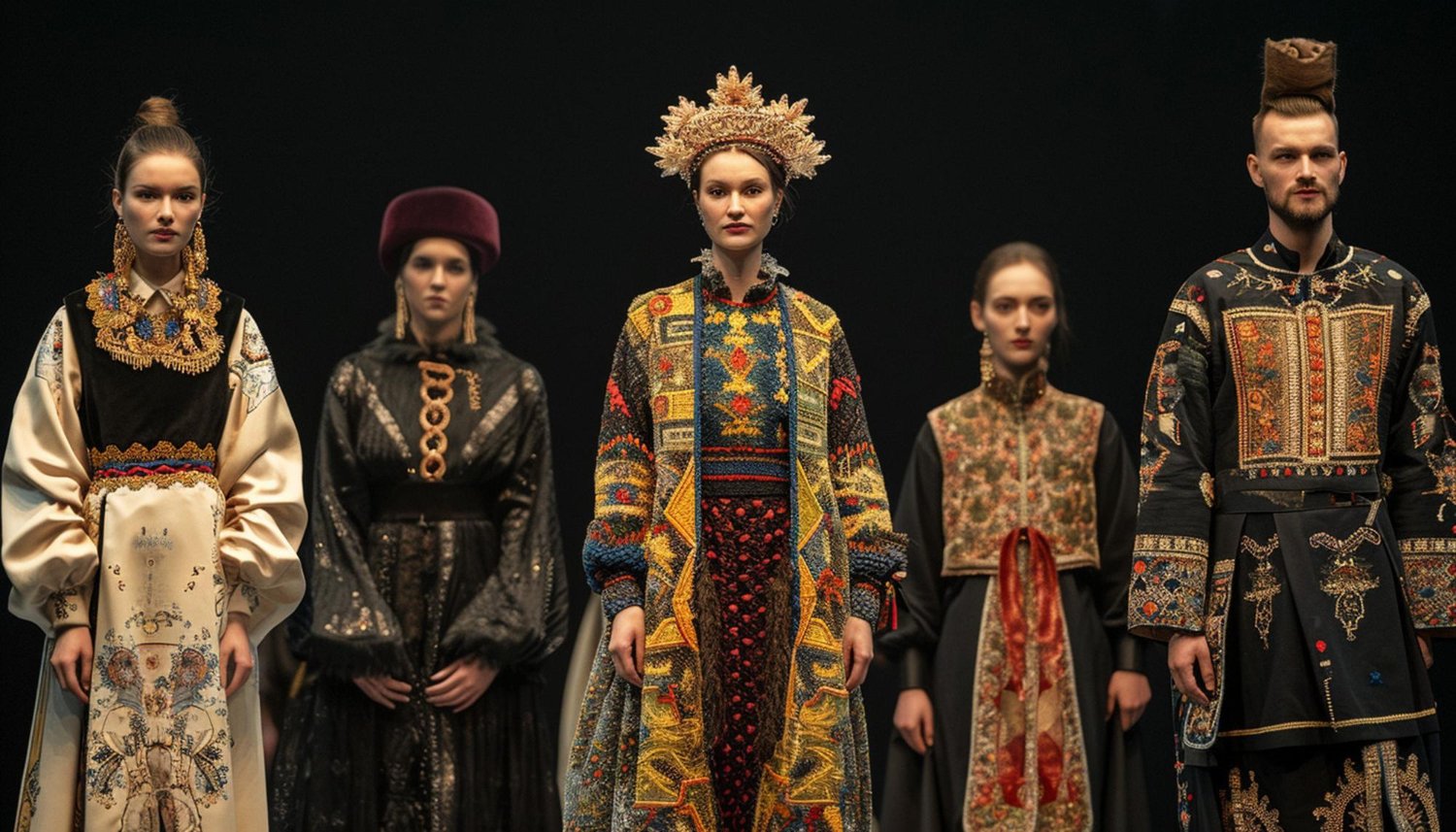
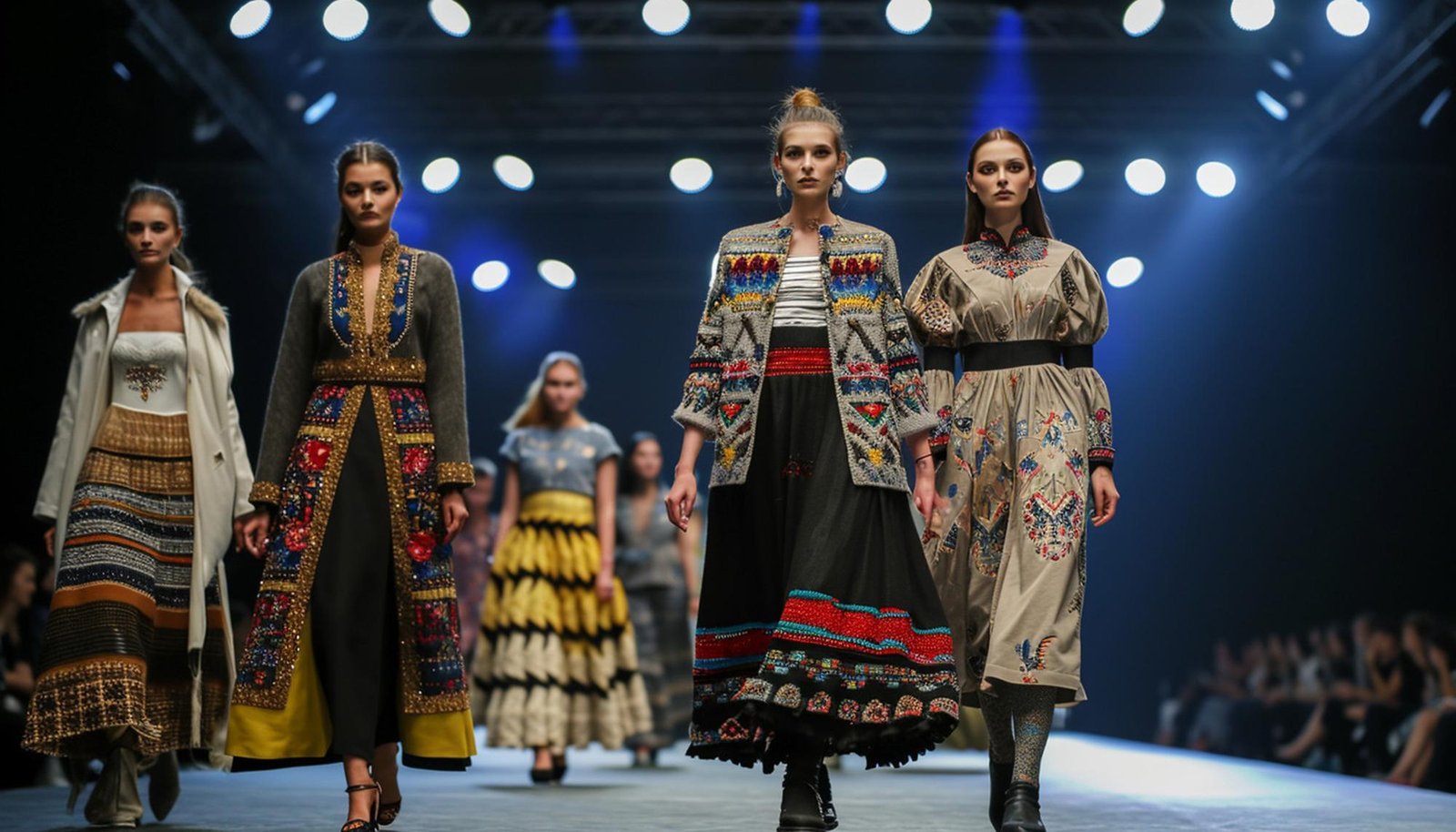
Beyond individual status, clothing began to represent entire communities. Regional styles emerged, each with its own symbolic meanings and traditions.
The kimono in Japan is a prime example. Its design, fabric, and patterns carry deep cultural significance. Specific motifs—cherry blossoms, cranes, waves—convey messages about the season, the occasion, or the wearer’s life stage. A young woman’s furisode, with its long flowing sleeves, differs dramatically from the subdued tones worn by older adults.
Similarly, traditional Scottish tartans identify clan affiliations. Each pattern is unique to a family or region, serving as a badge of heritage. Wearing a particular tartan signifies belonging, a connection to ancestry and land.
Indigenous cultures around the world use clothing to express identity and maintain traditions. Native American tribes incorporate symbolic beadwork and feathers into their garments, each element carrying spiritual meaning. West African kente cloth features intricate patterns that communicate proverbs and historical narratives.
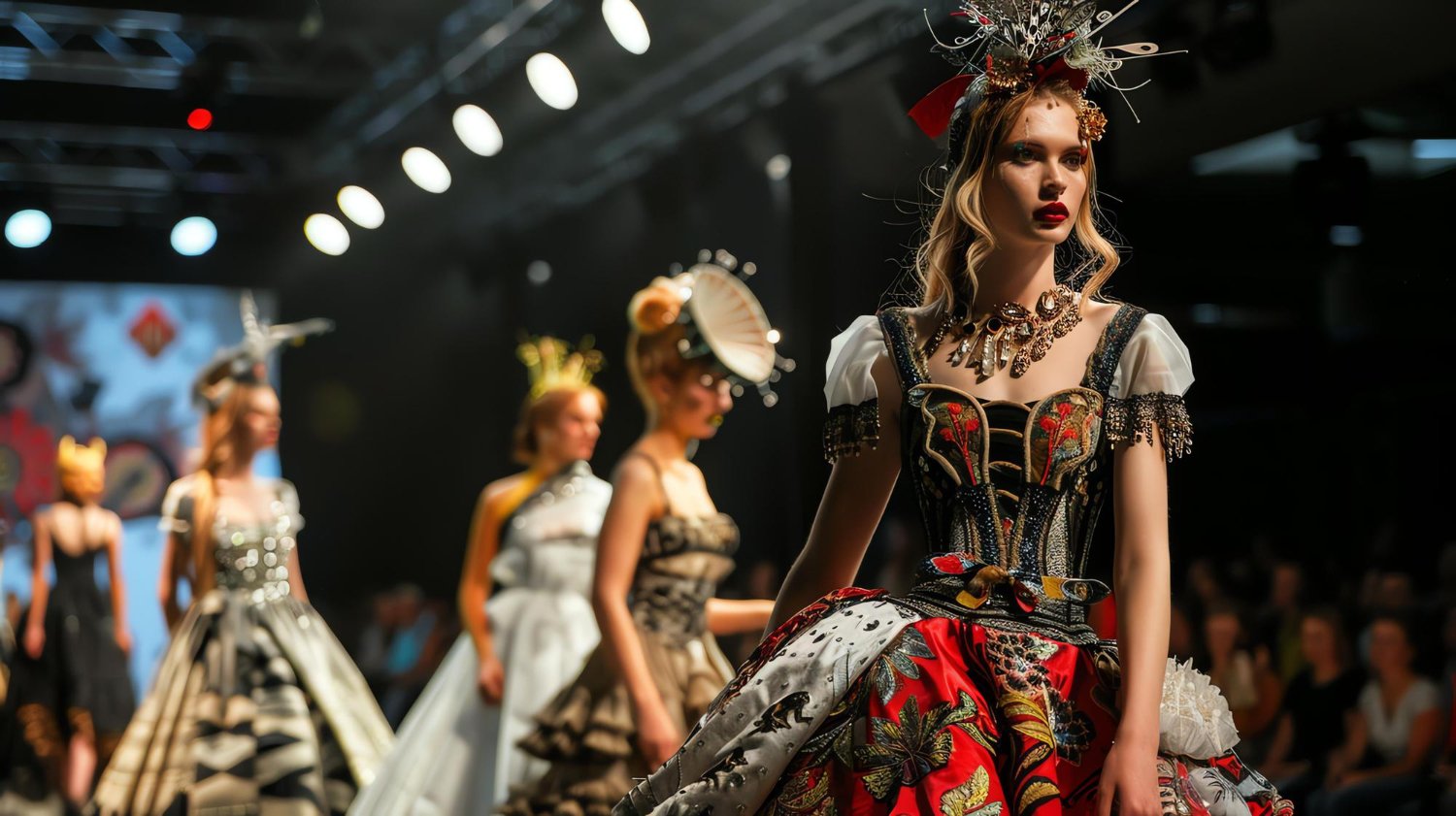
In all these cases, clothing functions as a visual language. It tells stories, preserves history, and strengthens communal bonds. A glance at someone’s attire can reveal their origins, beliefs, and affiliations without a single word being spoken.
This symbolic dimension of dress highlights a fundamental truth: humans are storytelling creatures. We use every available tool—language, art, music, and clothing—to convey meaning and construct identity.
The Psychological Shift: Fashion as Self-Expression and Mental Well-Being
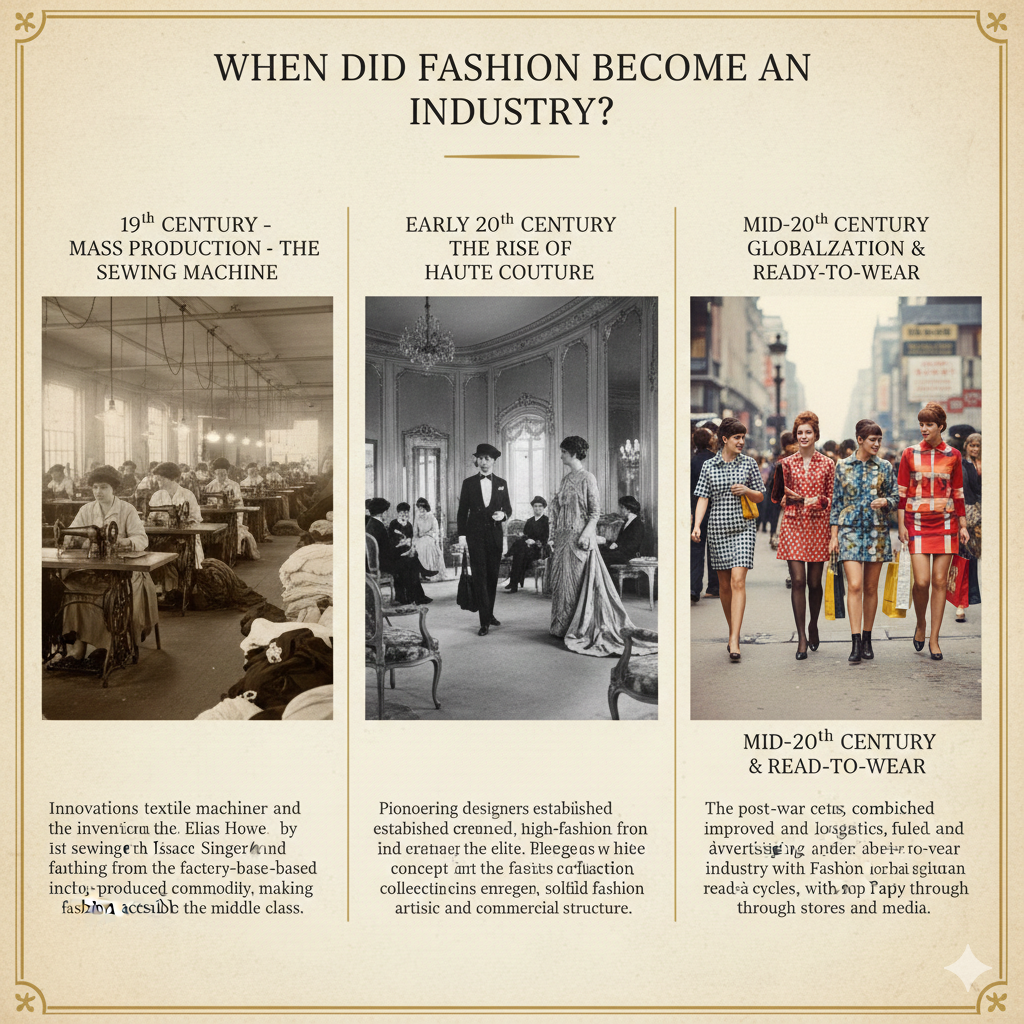
The Industrial Revolution democratized fashion in unprecedented ways. Mass production made clothing more affordable and accessible. People were no longer limited to the garments they could make themselves or afford from local artisans. Ready-to-wear fashion expanded options dramatically.
This shift had psychological implications. For the first time in history, large segments of the population could experiment with style. Clothing became a tool for self-expression, not just a reflection of social class or cultural tradition.
Modern psychology supports the idea that what we wear influences how we feel. Studies have shown that clothing affects mood, confidence, and even cognitive performance. The concept of “enclothed cognition” suggests that wearing certain garments can change the way we think and behave. Putting on formal attire, for example, can increase abstract thinking and attention to detail.
Fashion also offers a sense of control. Choosing an outfit allows individuals to craft their public persona, to decide how they want to be perceived. This can be empowering, especially in contexts where other forms of self-determination are limited.
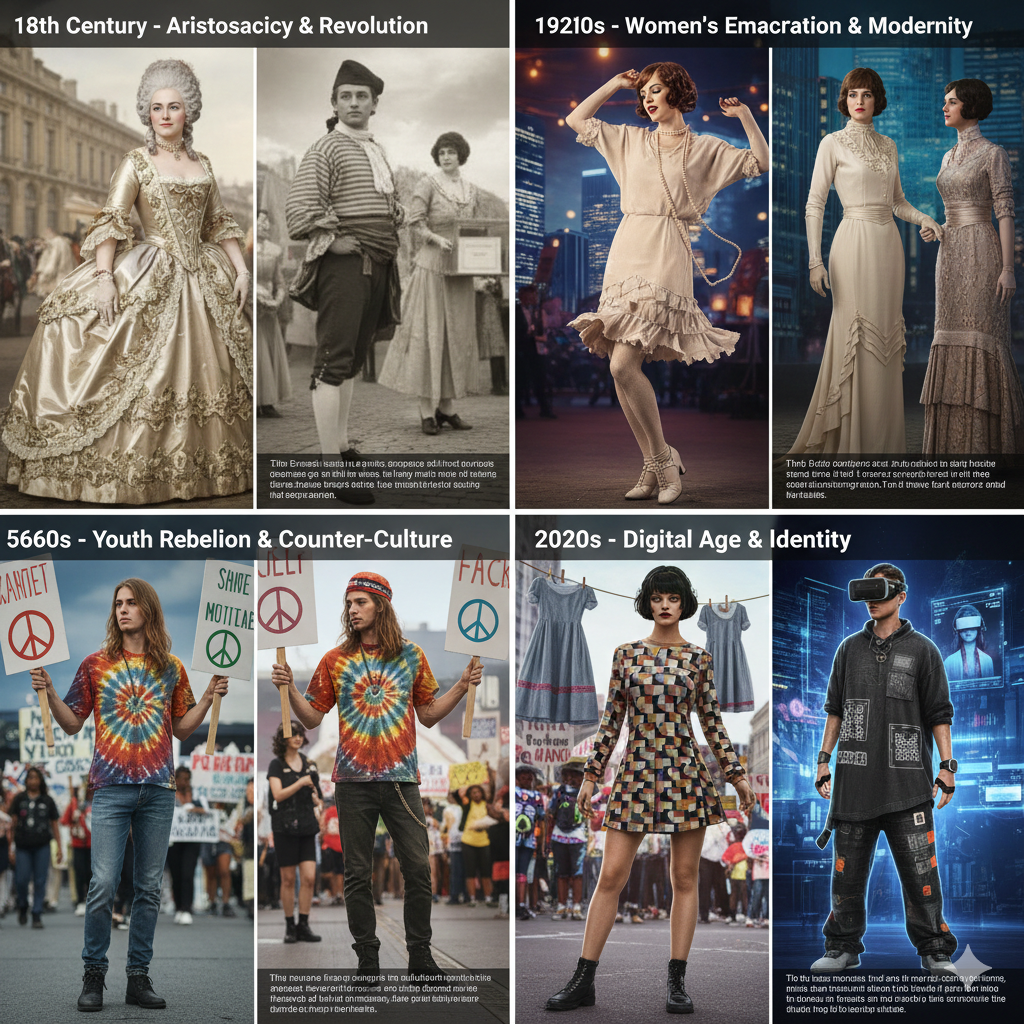
The rise of subcultures further illustrates this trend. Punks, goths, hip-hop artists, and countless other groups have used fashion to signal rebellion, solidarity, or alternative values. Clothing becomes a form of resistance, a way to challenge mainstream norms and assert individuality.
Yet the relationship between fashion and well-being isn’t always positive. The pressure to keep up with trends can create anxiety and financial strain. Social media amplifies these pressures, fostering comparison and insecurity. The fashion industry’s environmental impact also raises ethical concerns, complicating the picture further.
Still, the core impulse remains: humans use clothing to explore and express who they are. Whether through a vintage band t-shirt, a tailored suit, or traditional ceremonial dress, we communicate our identities with every outfit we choose.
The Threads That Bind Us
Clothing’s evolution from survival tool to symbolic system reveals the complexity of human culture. What began as a necessity—protection from the cold—transformed into a rich, multifaceted language. Through fabric, color, and design, we signal status, heritage, and personality. We connect with our communities and differentiate ourselves within them.
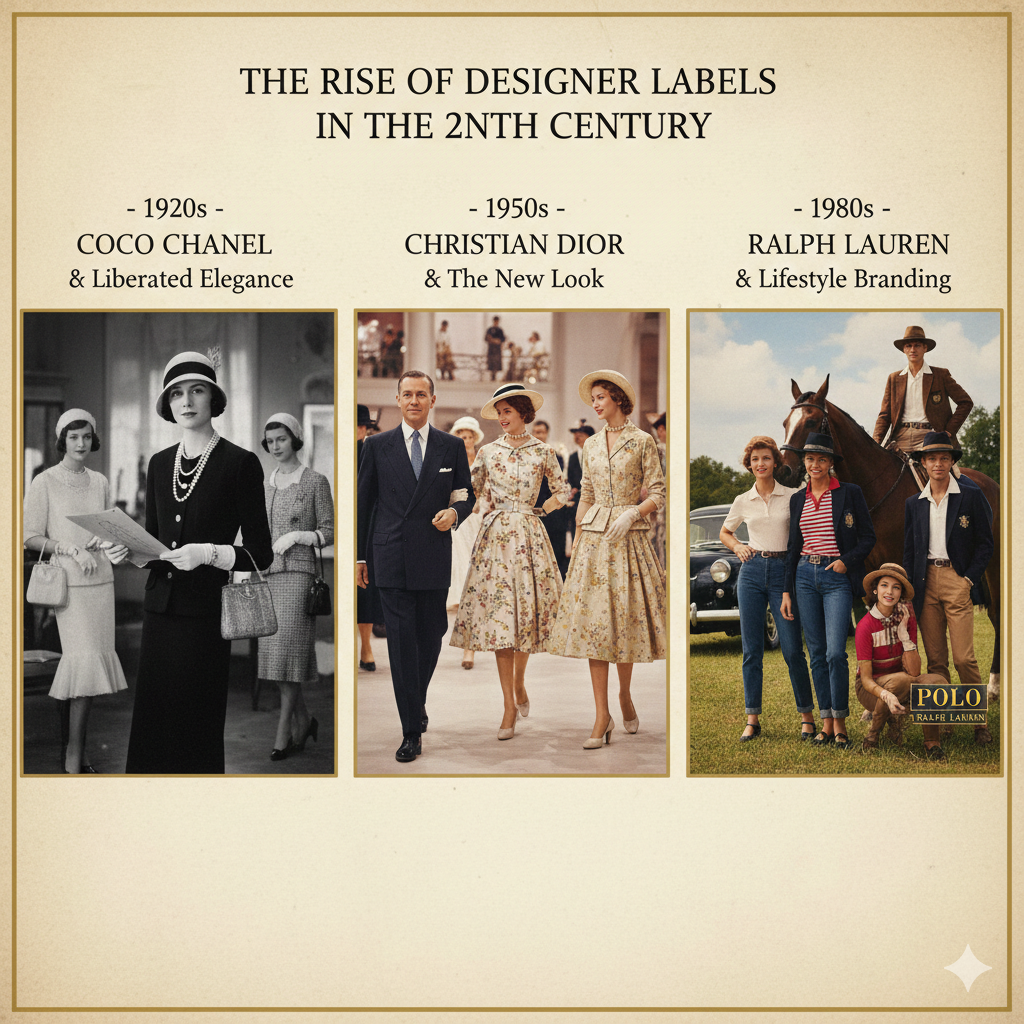
This journey hasn’t ended. Fashion continues to evolve, shaped by technology, globalization, and shifting cultural values. Sustainable fashion movements challenge fast fashion’s dominance. Digital clothing and virtual wardrobes hint at new frontiers. The conversation about what we wear and why remains as dynamic as ever.
Understanding this history deepens our appreciation for the garments we put on each day. Every stitch carries echoes of our ancestors’ ingenuity, their creativity, and their desire to be seen and understood.
Want to explore more about the history of design and human culture? Join our newsletter for in-depth articles that uncover the stories behind the objects and practices that shape our world.