The Journey of Fashion: From Traditional Clothing to a Billion-Dollar Global Industry
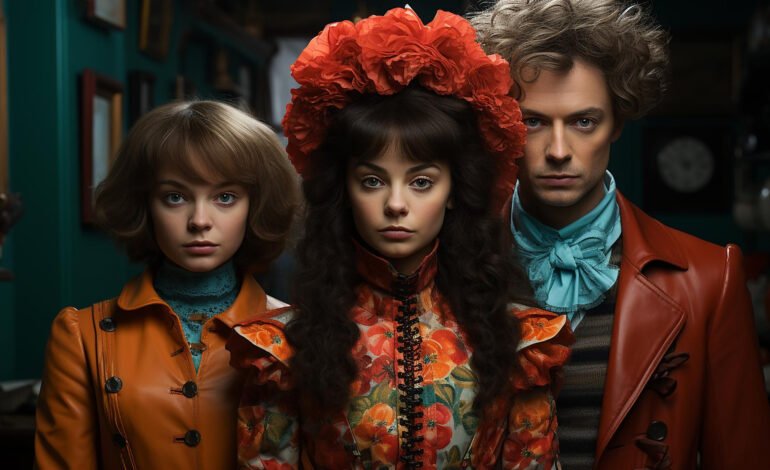

Fashion is far more than fabric and thread. It reflects who we are, where we come from, and how societies evolve. What began as simple garments crafted for protection and cultural expression has transformed into a sprawling global industry worth over $1.7 trillion.
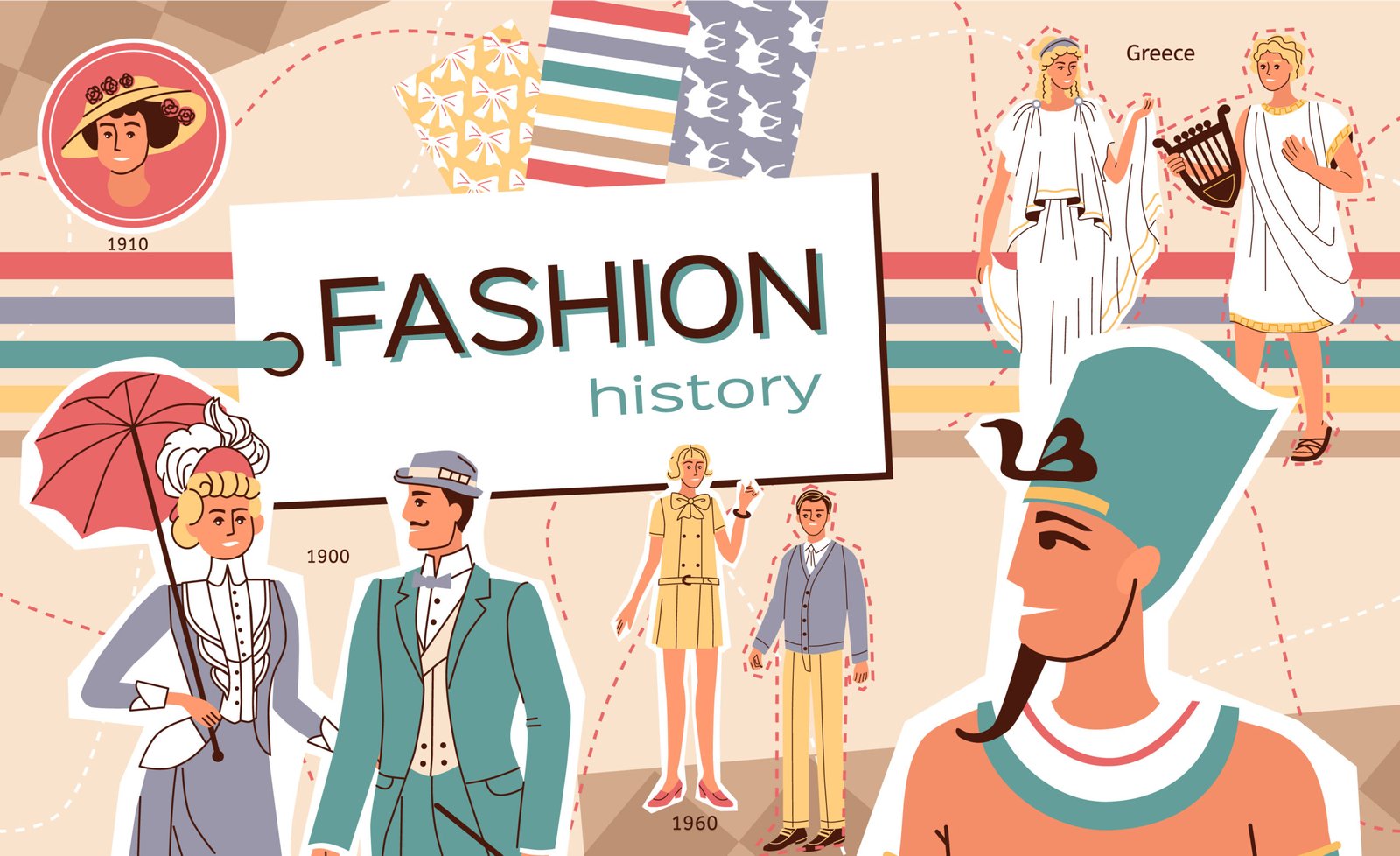
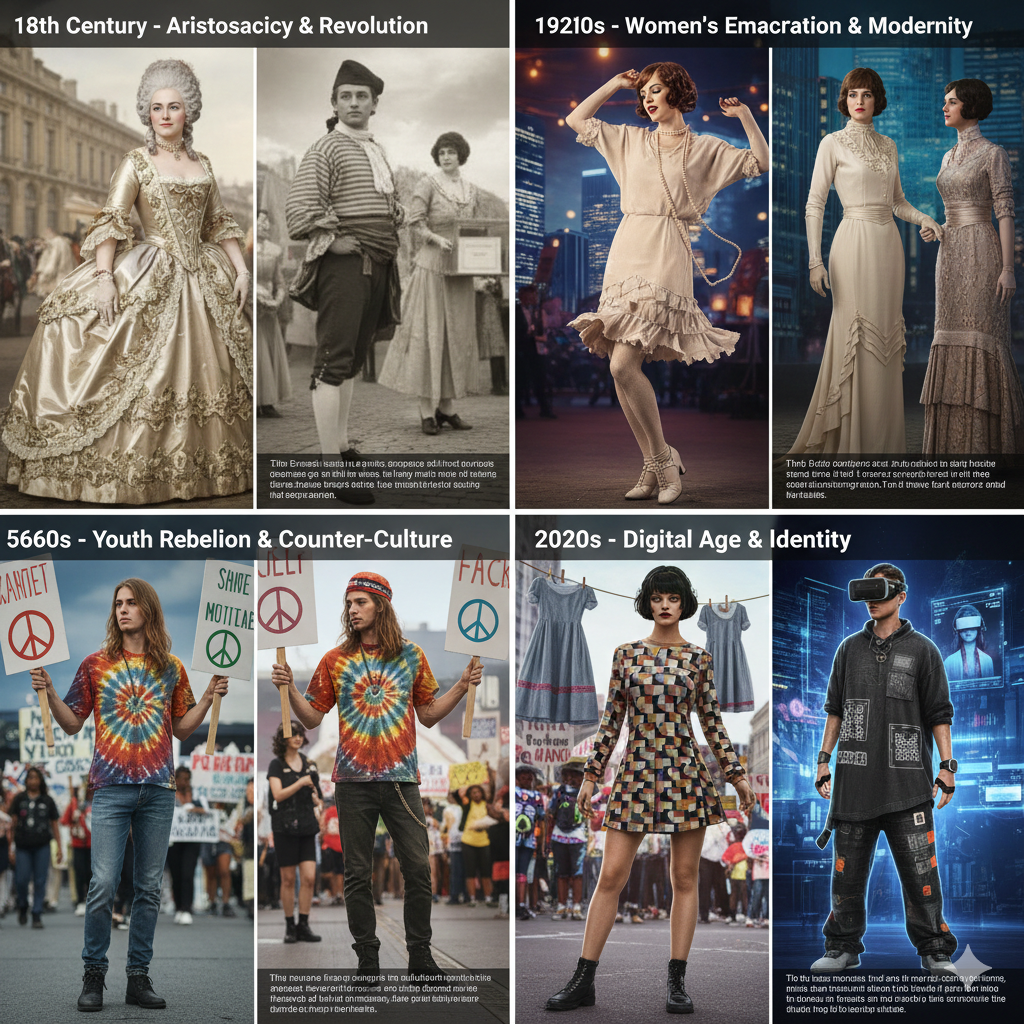
The evolution of fashion tells a story of innovation, ambition, and adaptation. From the handwoven textiles of ancient civilizations to the rise of haute couture in Paris, each era has left its mark on how we dress and perceive style. Along the way, technological advances, economic shifts, and changing consumer values have reshaped the industry time and again.
This post traces fashion’s remarkable journey—from its humble origins in traditional clothing to its current status as a multi-billion dollar powerhouse. We’ll explore the turning points that defined the industry, examine the tensions between fast fashion and sustainability, and look ahead to what the future holds.
The Origins of Traditional Clothing
Clothing has existed for thousands of years, serving purposes far beyond mere aesthetics. Early garments were crafted from animal hides, plant fibers, and natural materials, designed primarily for protection against the elements. But as human societies developed, clothing evolved into something much more meaningful.
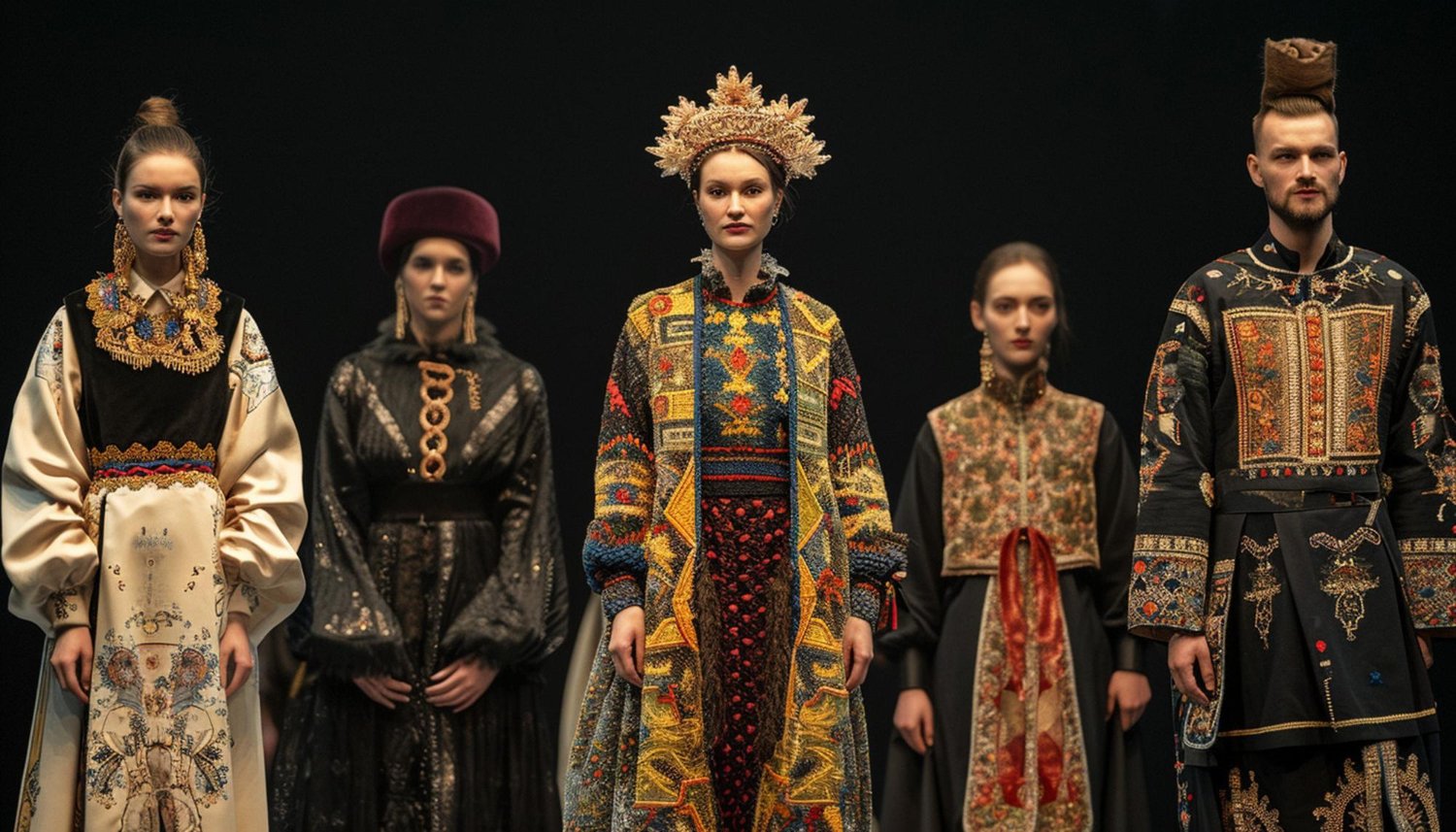
Traditional clothing became a powerful marker of identity. In many cultures, specific garments, patterns, and colors signified social status, occupation, marital status, or religious affiliation. The kimono in Japan, the sari in India, and the kente cloth in West Africa are all examples of garments steeped in cultural heritage and symbolic meaning.
These traditional pieces were often handmade by skilled artisans who passed down their techniques through generations. The process was labor-intensive and deeply personal. Every stitch carried intention, and every design told a story. Fashion was local, intimate, and tied closely to community and tradition.
This era of clothing was defined by scarcity and craftsmanship. Garments were treasured possessions, often repaired and repurposed rather than replaced. The concept of fashion as we know it today—constantly changing, trend-driven, and accessible to the masses—had not yet emerged.
The Industrial Revolution: A New Era of Production
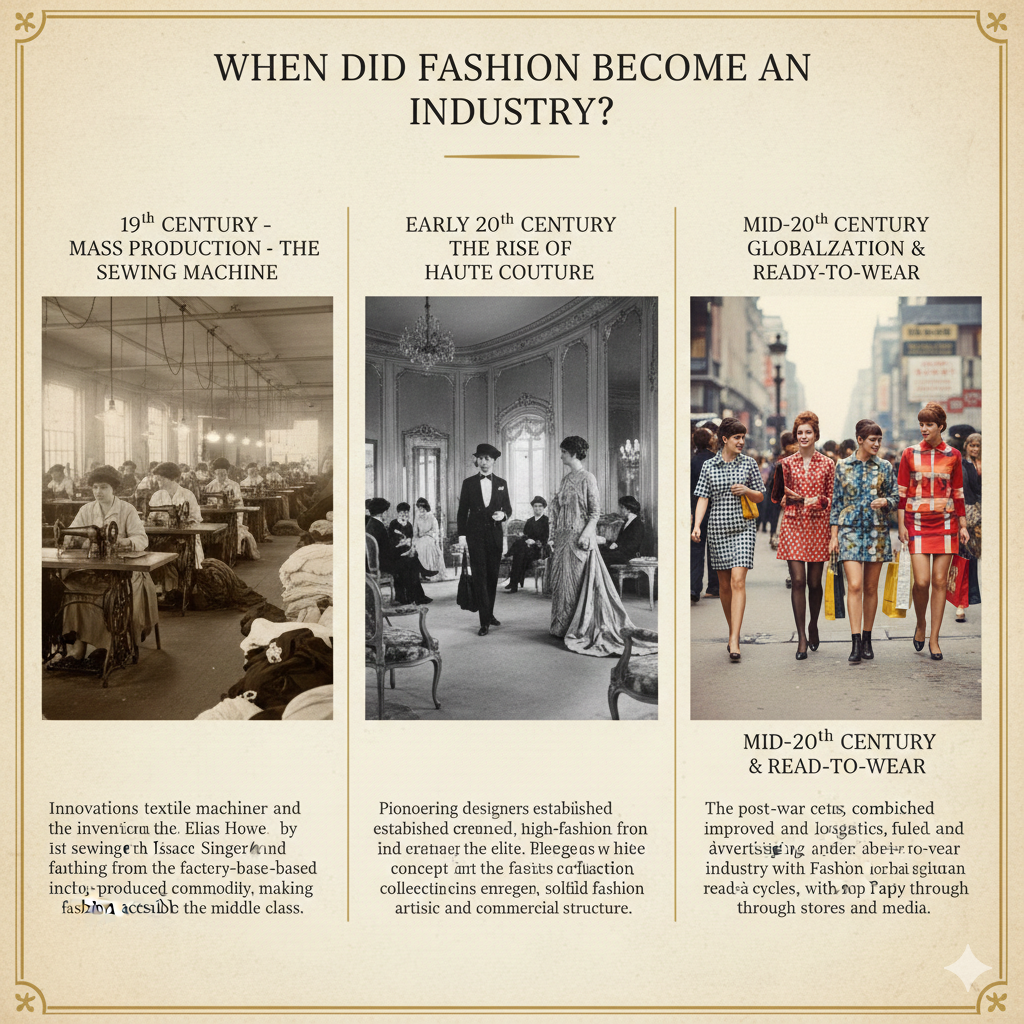
The late 18th and early 19th centuries brought seismic changes to how clothing was made. The Industrial Revolution introduced mechanized production, fundamentally altering the relationship between people and their garments.
Before this period, clothing production was a slow, manual process. Spinning wheels and hand looms were standard tools, and creating a single garment could take days or even weeks. The invention of the spinning jenny, power loom, and sewing machine changed everything.
Factories replaced individual workshops. Mass production became possible, and clothing could be produced faster and cheaper than ever before. This shift democratized fashion to some extent, making garments more accessible to the growing middle class. Ready-to-wear clothing emerged, offering standardized sizes and styles that didn’t require custom tailoring.
However, this industrialization came at a cost. The personal connection between maker and wearer began to fade. Clothing became commodified, and the emphasis shifted from durability and craftsmanship to volume and affordability. The seeds of modern consumer culture were planted during this era, setting the stage for the fashion industry’s explosive growth in the century to come.
The Birth of Haute Couture and Modern Fashion Houses
While mass production was transforming everyday clothing, a parallel movement was taking shape in the salons of Paris. The mid-19th century saw the rise of haute couture, an exclusive world of custom-made, high-end fashion that catered to the elite.
Charles Frederick Worth, often considered the father of haute couture, revolutionized the industry by establishing the first true fashion house in 1858. Unlike traditional dressmakers who followed their clients’ instructions, Worth designed collections in advance and presented them to customers. This shift gave the designer creative control and elevated fashion to an art form.
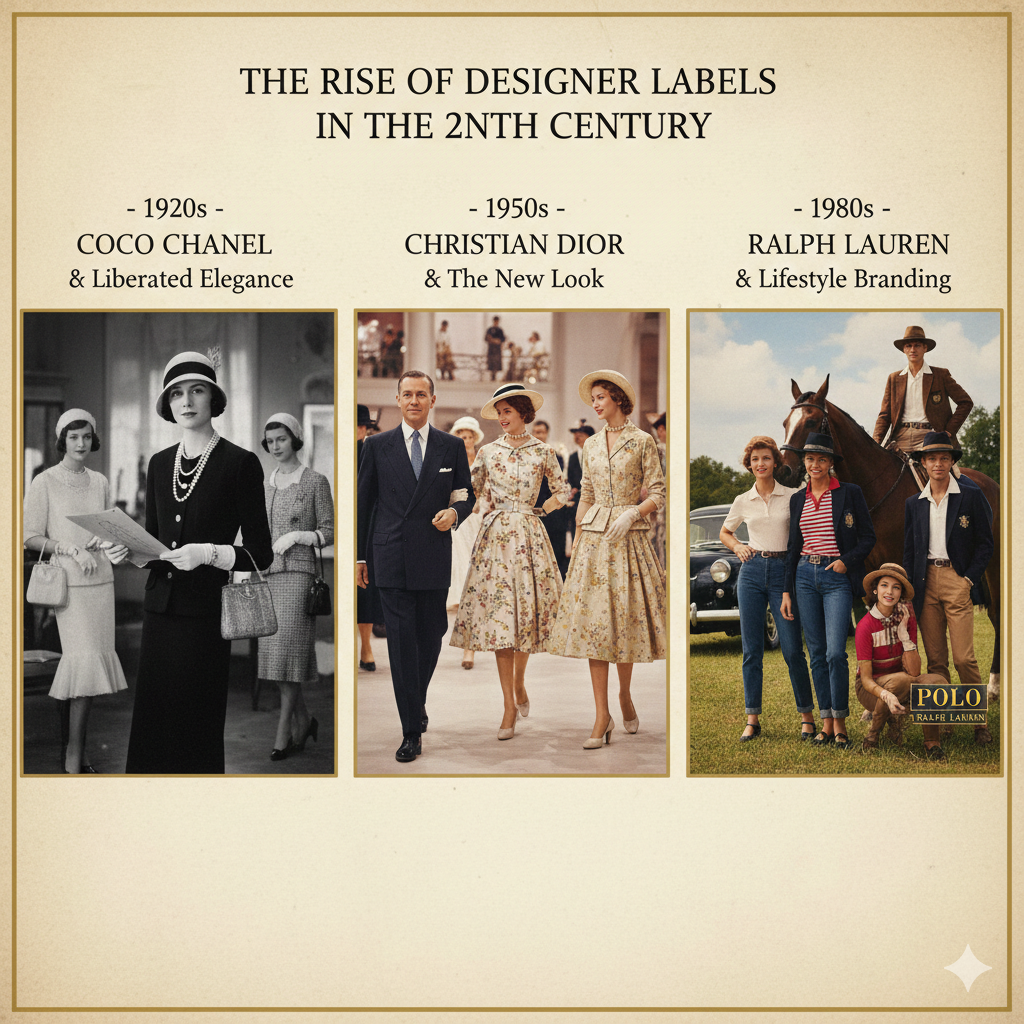
Haute couture became synonymous with luxury, exclusivity, and innovation. Fashion houses like Chanel, Dior, and Givenchy emerged in the 20th century, each bringing their own vision and aesthetic to the industry. These brands didn’t just sell clothes—they sold dreams, status, and identity.
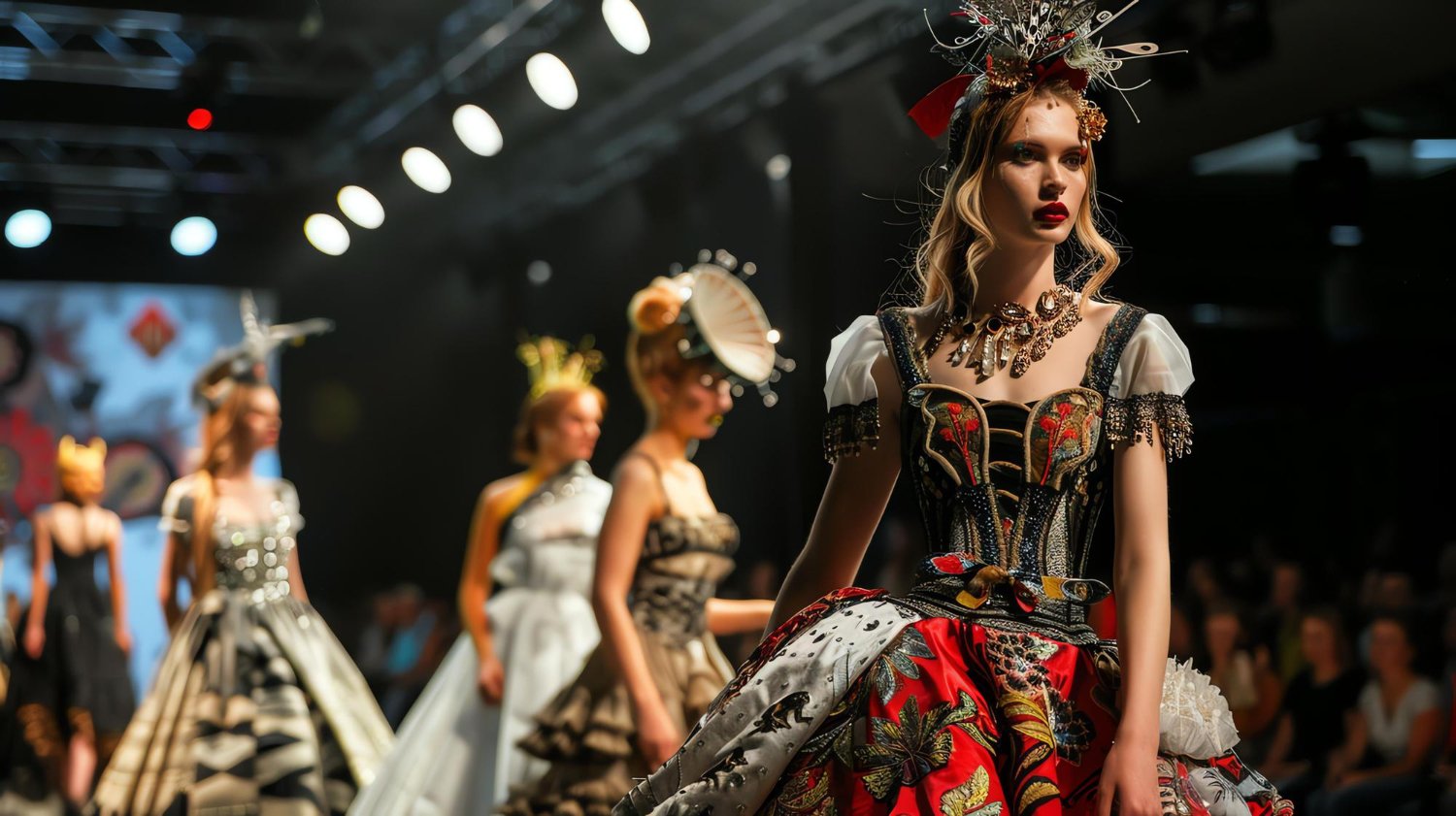
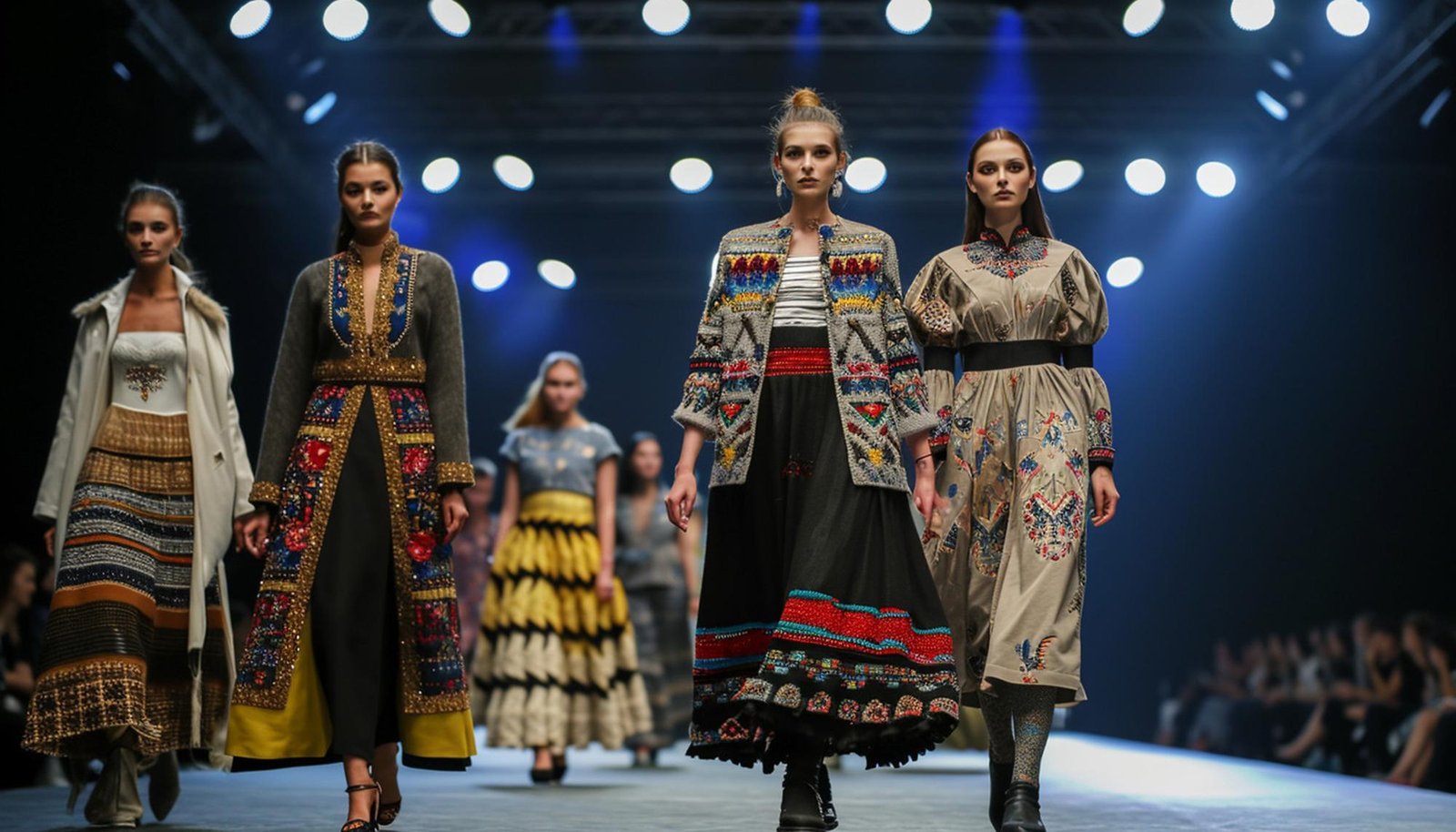
The fashion show became a spectacle, a carefully choreographed event where designers unveiled their latest creations to an audience of socialites, celebrities, and journalists. Fashion weeks in Paris, Milan, New York, and London became cultural institutions, dictating trends that would ripple through the broader market.
This era established the blueprint for the modern fashion industry: a tiered system where high-end designers set the tone, and mass-market brands followed suit. It also solidified fashion’s role as a form of cultural expression and economic power.
Globalization and the Multi-Billion Dollar Industry
The latter half of the 20th century brought unprecedented globalization, and fashion was no exception. Advances in transportation, communication, and manufacturing allowed brands to expand their reach across continents.
Fashion became a truly global industry. Design might happen in New York or Paris, production in Bangladesh or Vietnam, and sales in Tokyo or São Paulo. This interconnected supply chain enabled brands to scale rapidly, reaching new markets and maximizing profits.
The 1980s and 1990s saw the rise of supermodels, designer labels, and brand-driven consumerism. Fashion advertising became more sophisticated, tapping into aspirations and lifestyles rather than just selling products. Brands like Calvin Klein, Ralph Lauren, and Versace became household names, their logos instantly recognizable symbols of status and style.
By the early 2000s, the fashion industry had grown into a multi-billion dollar economic force. According to recent estimates, the global apparel market is valued at over $1.7 trillion, employing millions of people worldwide. Fashion influences not just what we wear, but also art, music, technology, and social movements.
Yet this explosive growth has not been without controversy. The globalized fashion industry has faced criticism for labor exploitation, environmental harm, and cultural appropriation. As the industry expanded, so too did the awareness of its darker side.
Fast Fashion vs. Sustainable Luxury
The rise of fast fashion in the late 20th and early 21st centuries marked another turning point. Brands like Zara, H&M, and Forever 21 pioneered a business model built on speed and volume. Trends that once took months to reach consumers could now be replicated and sold within weeks.
Fast fashion made style accessible to a broader audience. Clothing became cheaper and more disposable, with consumers buying more frequently and discarding garments after just a few wears. This model thrived on constant turnover, encouraging a cycle of consumption that prioritized novelty over quality.
But the costs of fast fashion have become impossible to ignore. The industry is one of the largest polluters in the world, responsible for significant carbon emissions, water usage, and textile waste. Labor conditions in many garment factories remain precarious, with workers often facing low wages and unsafe environments.
In response, a growing movement toward sustainable and ethical fashion has emerged. Luxury brands and independent designers alike are embracing circular fashion models, prioritizing quality over quantity, and committing to transparency in their supply chains. Brands like Stella McCartney and Patagonia have positioned sustainability as central to their identity, proving that profitability and responsibility can coexist.
Consumers are also shifting. A 2023 survey found that 67% of shoppers consider sustainability when making fashion purchases. Vintage and secondhand clothing have surged in popularity, and rental services offer alternatives to ownership. The tension between fast fashion and sustainable luxury is shaping the industry’s future, forcing brands to rethink their values and practices.
The Future of Fashion: Technology, Digital Innovation, and Circular Economies
Fashion is entering a new era defined by technology and innovation. Digital fashion, once a niche concept, is gaining traction as virtual clothing and NFTs (non-fungible tokens) challenge traditional notions of ownership and expression. Brands are experimenting with virtual runways, augmented reality fitting rooms, and blockchain-based authentication.
Artificial intelligence is transforming design, production, and retail. AI-powered tools can predict trends, optimize inventory, and personalize shopping experiences. 3D printing is enabling on-demand manufacturing, reducing waste and allowing for greater customization.
The concept of a circular economy is also reshaping the industry. Rather than the traditional linear model of take-make-dispose, circular fashion emphasizes reuse, repair, and recycling. Brands are exploring take-back programs, resale platforms, and innovative materials that can be regenerated rather than discarded.
Sustainability will likely remain a defining issue. As climate change accelerates, both consumers and regulators are demanding greater accountability. The European Union has proposed regulations requiring companies to prove the sustainability of their products, signaling a shift toward stricter oversight.
Fashion’s future will be shaped by those who can balance creativity with responsibility, innovation with ethics, and profitability with purpose. The industry has always been a mirror of society, and as our values evolve, so too will the clothes we wear.
Join the Conversation on Fashion’s Evolution
Fashion’s journey from traditional clothing to a global powerhouse is a testament to human creativity, ambition, and adaptability. Each era has brought new challenges and opportunities, reshaping how we think about style, identity, and consumption.
As the industry continues to evolve, staying informed is more important than ever. Subscribe to our newsletter for the latest insights on fashion trends, sustainability, and the forces shaping the future of this dynamic industry. Be part of the conversation as we explore what comes next.