
The Origin of Fashion: When Did Humans Start Dressing for Style?

Clothing began as a necessity—protection from the elements, camouflage during hunts, and warmth during frigid nights. But somewhere along our evolutionary journey, humans transformed these practical garments into something far more complex: statements of identity, markers of status, and canvases for creativity.
The question isn’t just when we started wearing clothes, but when we started caring about how they looked. Archaeological evidence shows that our ancestors wore basic coverings as far back as 170,000 years ago, yet the leap from function to fashion took thousands of years to unfold. This transformation reflects something fundamental about human nature—our need not just to survive, but to express who we are and where we belong in society.
Tracing the origin of fashion reveals a fascinating timeline where practicality gradually gave way to aesthetics, where survival needs merged with social aspirations, and where clothing evolved from simple protection into a powerful language of its own. Let’s explore how humans went from wrapping themselves in animal hides to creating entire industries built around seasonal trends and personal expression.
The Earliest Human Clothing: Function Over Form
Our ancestors’ first garments were remarkably simple. Early humans draped animal skins over their bodies, tied plant fibers around their waists, and used natural materials to shield themselves from harsh weather. Archaeological discoveries suggest that humans began wearing clothing between 100,000 and 500,000 years ago, with the exact timeline varying based on climate and geography.
The oldest evidence of woven fabrics dates back approximately 27,000 years, discovered at sites in what is now the Czech Republic. These ancient textiles show that even in prehistoric times, humans had developed the cognitive skills and manual dexterity to create complex materials from raw fibers.
But function dominated every decision. Colors were limited to the natural hues of available materials—browns, tans, and grays from animal hides, or the muted tones of plant fibers. Decoration was minimal or nonexistent. The primary concerns were warmth, mobility, and durability.
Yet even in these early stages, subtle hints of aesthetic awareness emerged. Some anthropologists point to the use of ochre and other pigments on clothing as early indicators that humans cared about more than pure utility. Cave paintings from 30,000 years ago depict figures wearing what appear to be decorated garments, suggesting that even our distant ancestors recognized clothing as more than mere covering.
Ancient Civilizations: When Clothing Became Currency
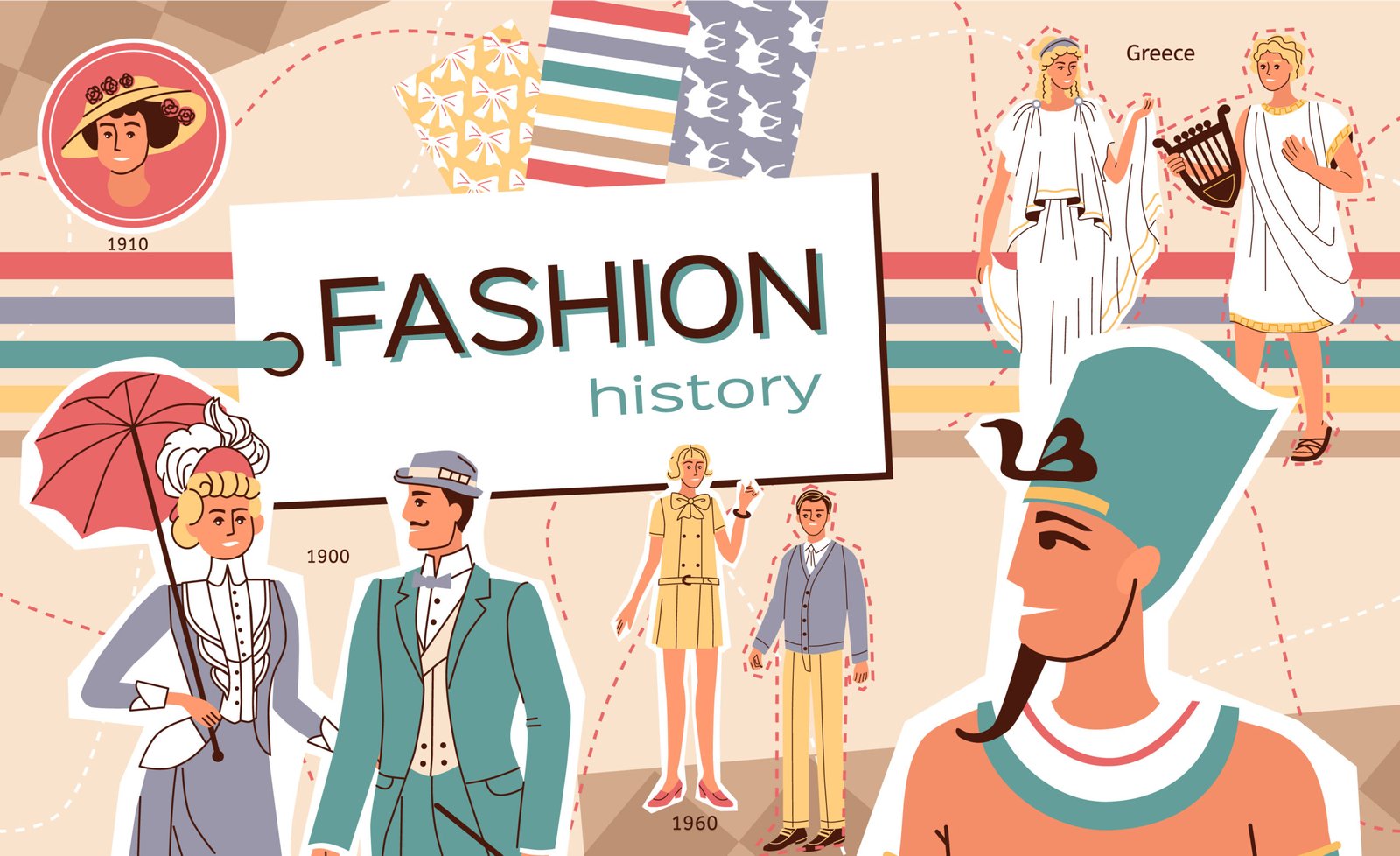
The shift from survival to status became unmistakable with the rise of ancient civilizations. In Mesopotamia, Egypt, Greece, and Rome, clothing evolved into a sophisticated social language that communicated wealth, profession, and position within the hierarchy.
Ancient Egyptians developed linen from flax around 5000 BCE, creating lightweight fabrics suited to their hot climate. But the quality of that linen varied dramatically based on social class. Pharaohs and nobility wore fine, almost transparent linen that required extensive labor to produce, while common workers made do with coarser weaves. The color white held special significance, associated with purity and status, and only the wealthy could afford the time and resources to keep their garments pristinely white.
In ancient Rome, the toga became a powerful symbol of citizenship and rank. The width of purple stripe on a toga indicated one’s position in society, with senators wearing togas with broad purple bands. Sumptuary laws explicitly regulated who could wear certain colors and fabrics, legally codifying the connection between appearance and social standing.
These civilizations understood that clothing communicated instantly and effectively. A single glance at someone’s attire could reveal their profession, wealth, legal status, and even their political affiliations. Fashion had become a deliberate choice, not just a practical necessity.
The ancient world also saw the emergence of specialized craftspeople—weavers, dyers, tailors—who dedicated their lives to creating garments. This professionalization of clothing production marked a critical turning point. When societies developed expert artisans focused solely on improving textiles and design, clothing naturally evolved beyond basic function.
The Medieval Period: Regulation and Rebellion
Medieval Europe continued and intensified the use of clothing as social marker. Sumptuary laws proliferated across European kingdoms, with rulers attempting to control who could wear silk, velvet, certain colors, and specific styles. These laws weren’t just about maintaining social order—they reflected genuine anxiety about the power of appearance to disrupt established hierarchies.
The development of more sophisticated tailoring techniques during this period allowed for fitted garments that emphasized the human form. This represented a philosophical shift: clothing wasn’t just draped over the body but shaped to complement and enhance it. The concept of flattering one’s figure emerged, introducing aesthetic considerations beyond status signaling.
Trade routes expanded access to exotic fabrics and dyes. Silk from Asia, cotton from India, and specialized dyes from distant lands became markers of wealth and worldliness. The global nature of fashion was already taking shape, centuries before the term “fashion industry” existed.
The Renaissance: Style Becomes Dynamic
The Renaissance marked the moment when fashion truly accelerated. Styles began changing not just across generations but within single lifetimes. What was fashionable in 1500 looked distinctly different from what was fashionable in 1550, and this rate of change only increased.
Wealthy Italian families competed through their clothing, commissioning elaborate garments that showcased the latest cuts, fabrics, and embellishments. Portraiture from this era reveals an obsession with documenting one’s finest attire, suggesting that people understood fashion as part of their legacy.
The concept of seasonal trends emerged during this period. Royal courts became centers of style innovation, with courtiers constantly seeking new ways to distinguish themselves. When a king or queen favored a particular style, it rippled through society, creating demand for similar garments among those who could afford them.
This era also saw the publication of the first fashion plates—illustrations showing the latest styles from major European courts. These early fashion guides allowed trends to spread more rapidly across geographic distances, creating something approaching a shared fashion consciousness across Europe.
The Industrial Revolution: Fashion for the Masses
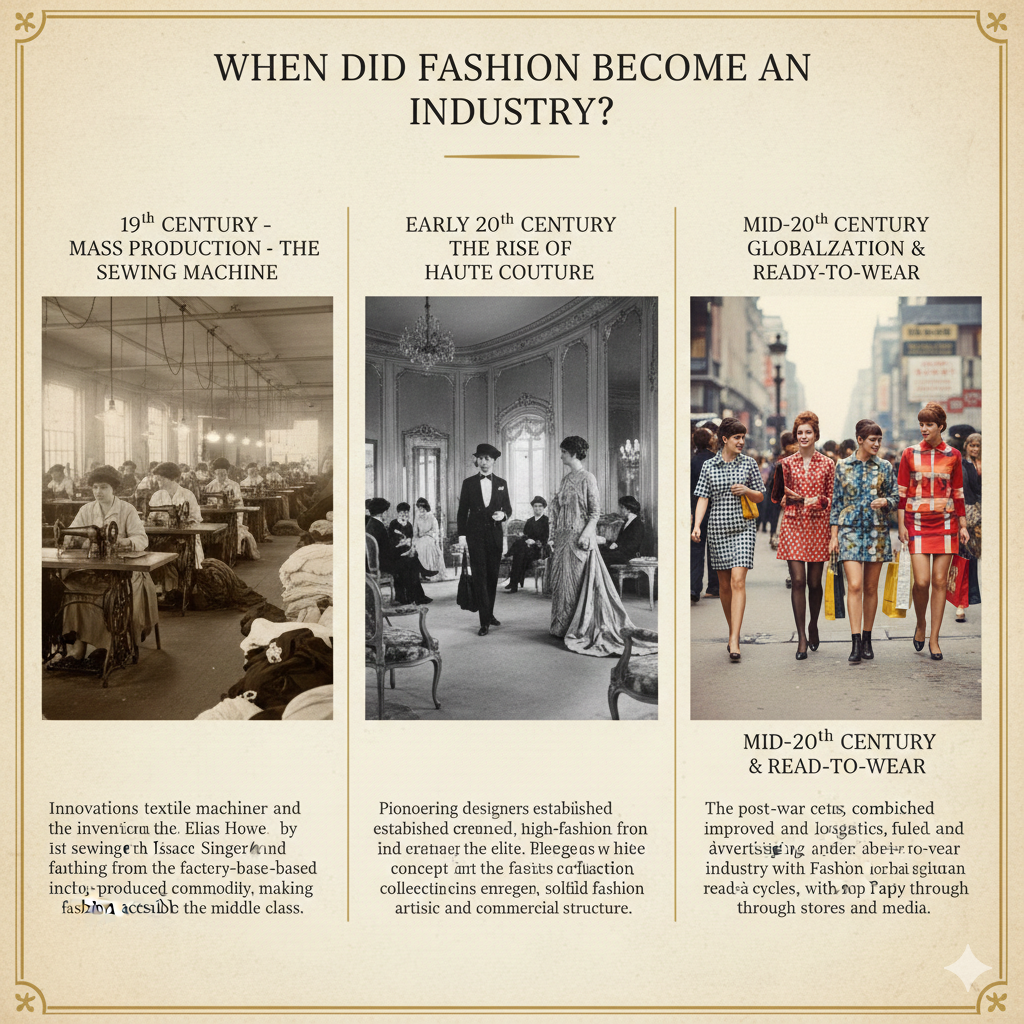
Nothing transformed fashion as dramatically as the Industrial Revolution. The invention of the sewing machine in the mid-1800s, combined with mechanized textile production, fundamentally changed who could participate in fashion.
Mass production lowered prices and increased availability. For the first time in human history, working-class people could afford multiple outfits and could aspire to dress in styles previously reserved for the wealthy. Ready-to-wear clothing democratized fashion, though bespoke tailoring remained a luxury marker.
Fashion magazines proliferated, reaching broader audiences and establishing style authorities beyond royal courts. Publications like Godey’s Lady’s Book and Harper’s Bazaar emerged in the 1800s, creating shared fashion narratives across continents.
The department store revolutionized shopping, transforming the purchase of clothing from a practical transaction into an experience. These grand retail spaces presented fashion as aspirational and accessible simultaneously, encouraging consumers to see clothing as a form of self-improvement and social mobility.
This period established many patterns we recognize today: seasonal collections, trend cycles, fashion journalism, and the concept of “keeping up” with current styles. Fashion became an industry, with all the commercial machinery that implies.
The Psychology Behind Style: Why Humans Care How They Look
Understanding when humans started dressing for style requires exploring why we care about appearance in the first place. Several psychological factors drive our relationship with fashion:
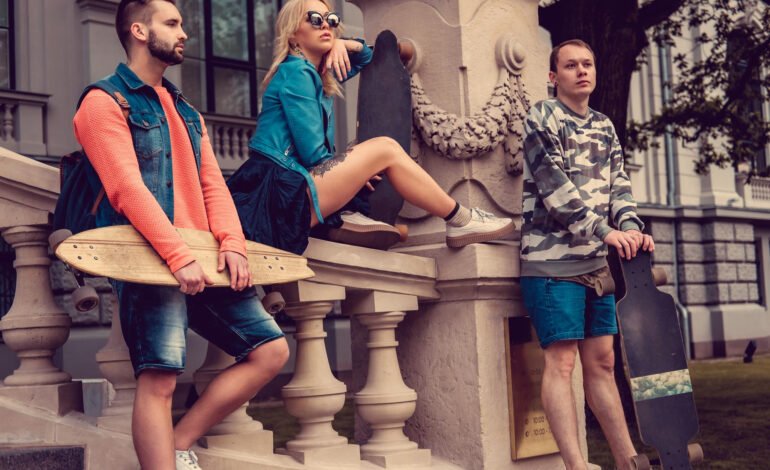
Self-expression and identity: Clothing allows us to signal our personality, values, and affiliations without words. The punk choosing torn jeans and a leather jacket communicates as clearly as the executive in a tailored suit—both are making deliberate statements about who they are.
Social belonging and differentiation: Fashion helps us belong to groups while simultaneously distinguishing ourselves as individuals. We adopt styles that connect us to communities we value while adding personal touches that assert our uniqueness.
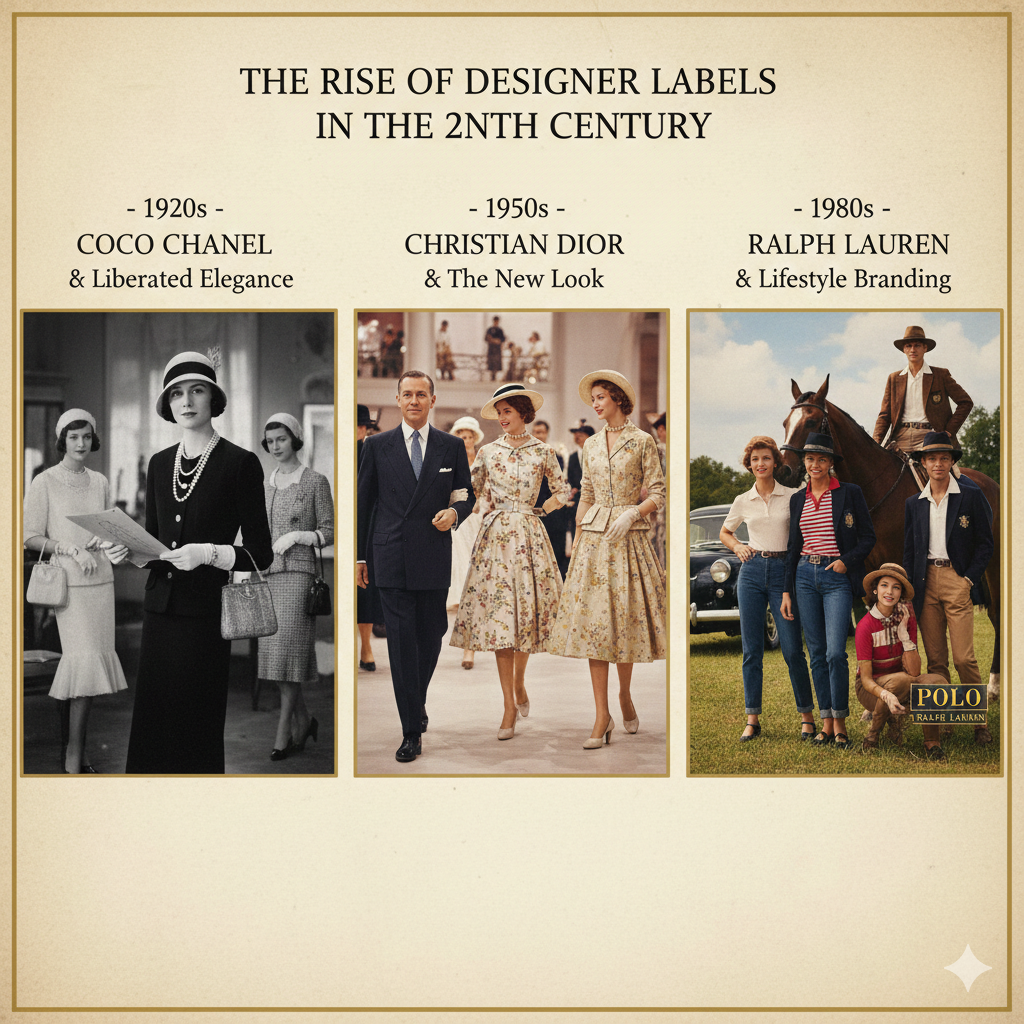
Status and achievement: Despite modern egalitarian ideals, humans still use clothing to signal success and resources. Designer labels, quality materials, and on-trend pieces communicate economic and social capital.
Mood regulation and confidence: Research consistently shows that what we wear affects how we feel and perform. The phenomenon of “enclothed cognition” demonstrates that clothing influences our psychological states, suggesting that dressing well isn’t vanity but a legitimate tool for emotional regulation.
Creativity and play: Fashion offers an accessible creative outlet. Unlike painting or music, which require specialized skills, anyone can experiment with style, mixing colors, textures, and silhouettes to create personal aesthetic expressions.
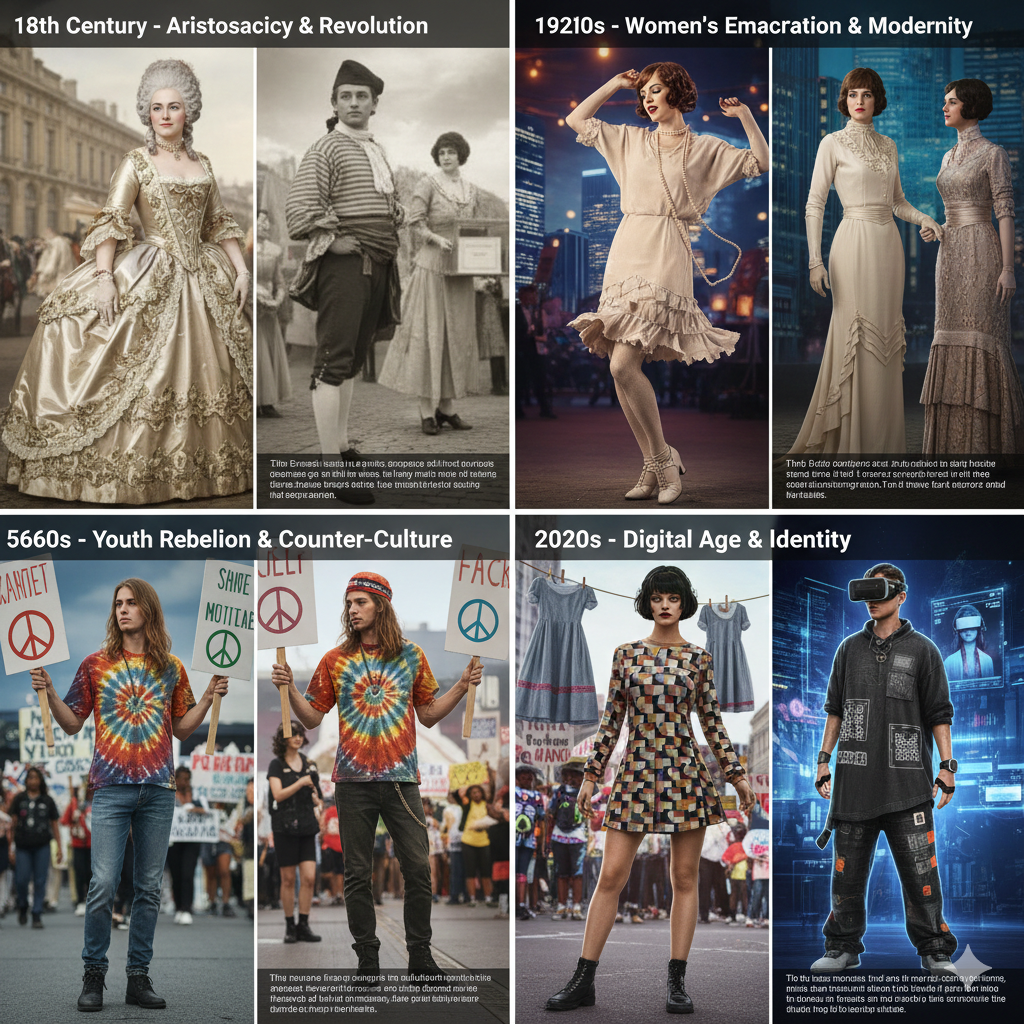
These psychological drivers have remained constant throughout human history, even as the specific manifestations of fashion have evolved. Ancient Egyptians sought status through fine linen for the same fundamental reasons modern consumers seek it through designer brands.
Modern Fashion: Acceleration and Accessibility
The 20th and 21st centuries have seen fashion evolve at unprecedented speeds. The rise of fast fashion has compressed trend cycles from seasons to weeks. Social media has democratized style influence, allowing anyone with a smartphone to become a fashion authority.
Digital technology has transformed both production and consumption. Online shopping eliminated geographic barriers, giving consumers access to global styles. Algorithms now predict trends and personalize recommendations, creating individualized fashion experiences at scale.
Sustainability concerns have introduced ethical dimensions to fashion choices. Consumers increasingly consider not just how clothing looks but how it was made, who made it, and what happens to it after use. Fashion choices now communicate values around environmental and social responsibility.
The COVID-19 pandemic accelerated shifts toward comfort and casual wear, with remote work normalizing styles previously considered too informal. This demonstrates fashion’s ongoing responsiveness to social and cultural changes—a pattern traceable back to the earliest civilizations.
Your Fashion Story Continues
From animal skins worn for survival to algorithmically-curated digital wardrobes, fashion’s evolution mirrors humanity’s own development. We started dressing for style the moment we had enough security to think beyond immediate survival—which happened at different times for different cultures but seems to be a universal human impulse.
Fashion emerged when humans realized that clothing could communicate, when we understood that appearance shapes how others perceive us and how we perceive ourselves. This shift from pure function to conscious style wasn’t a single moment but a gradual awakening that continues today.
Every time you choose one outfit over another, you’re participating in this ancient human tradition. You’re making decisions that blend practical needs with aesthetic preferences, that balance personal expression with social expectations, that connect you to thousands of years of humans asking the same question: What should I wear?
We’d love to hear about your personal fashion philosophy. What drives your clothing choices? Do you dress primarily for comfort, for impression, for creative expression, or for some combination of these factors? Share your thoughts in the comments below and join this conversation that humans have been having for millennia.