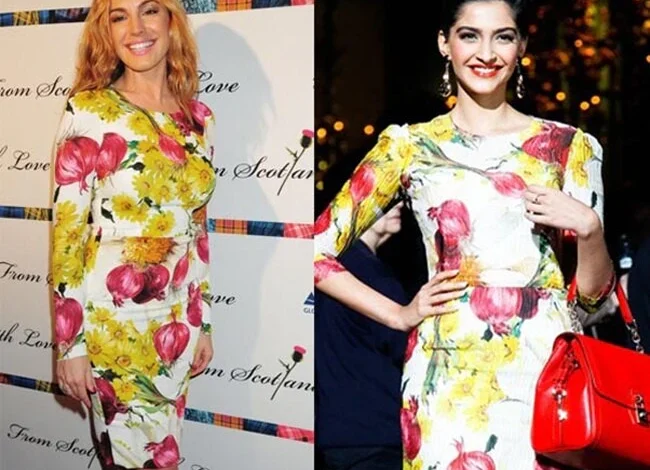
How Bollywood and Hollywood Influenced Global Fashion
Fashion has always been more than fabric and thread. It’s storytelling, cultural exchange, and aspiration stitched into something you can wear. For decades, cinema has been one of the most

Fashion has always been more than fabric and thread. It’s storytelling, cultural exchange, and aspiration stitched into something you can wear. For decades, cinema has been one of the most powerful vehicles for fashion influence, shaping how millions of people around the world dress, accessorize, and express themselves.
Bollywood and Hollywood—two cinematic powerhouses from opposite sides of the globe—have each left an indelible mark on global fashion. From the opulent saris and intricate embroidery of Indian cinema to the sleek silhouettes and red-carpet glamour of American films, both industries have contributed to a constantly evolving dialogue between East and West.
But their influence isn’t parallel. It’s interwoven. Bollywood has brought color, maximalism, and craftsmanship into the global spotlight, while Hollywood has championed minimalism, accessibility, and aspirational luxury. Together, they’ve redefined what fashion means across cultures, generations, and continents.
This post explores how these two film industries have shaped global fashion trends, the iconic films that changed the way we dress, and how streaming platforms are now blurring the boundaries of regional style.
The Historical Crossover Between Eastern and Western Cinematic Fashion
The relationship between Bollywood and Hollywood fashion didn’t begin with Instagram or global runways. It started decades ago, when films were among the few windows into foreign cultures.
In the 1950s and 60s, Hollywood was exporting its polished, aspirational style to the world. Films like Breakfast at Tiffany’s (1961) and Roman Holiday (1953) introduced global audiences to elegant silhouettes, tailored suits, and the little black dress. Audrey Hepburn became a fashion icon whose influence reached far beyond the West, inspiring women in India, the Middle East, and Southeast Asia to adopt Western styles.
At the same time, Bollywood was crafting its own visual language. Indian cinema embraced vibrant colors, elaborate jewelry, and traditional garments like saris and lehengas. Films from this era, such as Mughal-e-Azam (1960), showcased the richness of Indian textiles and the artistry of hand-embroidered fabrics. While these films were primarily consumed within India and neighboring countries, they laid the groundwork for Bollywood’s eventual global influence.
The crossover really began in the 1980s and 90s, when both industries started borrowing from each other. Bollywood stars began incorporating Western cuts and silhouettes into traditional Indian wear, creating fusion styles that appealed to younger, more cosmopolitan audiences. Meanwhile, Western designers started drawing inspiration from Indian textiles, beadwork, and draping techniques.
This exchange wasn’t just aesthetic—it was cultural. Cinema became a bridge, allowing fashion to travel across borders in ways that felt accessible and aspirational.
Bollywood’s Vibrant Influence on Global Textile Trends and Luxury Embroidery
Bollywood has long been synonymous with maximalism. Bold colors, intricate embroidery, and luxurious fabrics are hallmarks of Indian cinema, and these elements have found their way into global fashion in a big way.
One of Bollywood’s most significant contributions is its celebration of handcrafted textiles. Indian embroidery techniques like zardozi, chikankari, and mirror work have been featured prominently in films for decades. Designers around the world have taken note. Luxury fashion houses like Gucci, Dior, and Valentino have incorporated Indian-inspired embellishment into their collections, often citing Bollywood as a source of inspiration.
The global embrace of embellished fashion can be traced back to films like Devdas (2002) and Jodhaa Akbar (2008), both of which featured costume design that was nothing short of breathtaking. These films didn’t just showcase clothing—they elevated it to art. The result was a renewed global interest in handcrafted, embellished garments that felt both timeless and opulent.
Bollywood also popularized the concept of “festive fashion” on a global scale. The industry’s emphasis on celebration—weddings, festivals, and grand gatherings—has influenced how people around the world approach dressing for special occasions. The rise of fusion wear, such as pairing a traditional lehenga with a modern crop top, has become a global trend, particularly among South Asian diasporas and fashion-forward consumers in the West.
Beyond embroidery, Bollywood introduced the world to the versatility of the sari. Once seen as a traditional garment worn primarily in South Asia, the sari has been reimagined in contemporary fashion thanks to films and celebrity endorsements. Designers have experimented with sari draping, fabrics, and styling, making it a garment that transcends cultural boundaries.
Hollywood’s Role in Popularizing Minimalist and Red-Carpet Aesthetics
If Bollywood brought maximalism to the global stage, Hollywood championed minimalism and understated elegance. American cinema has long been associated with clean lines, neutral palettes, and effortless sophistication—a stark contrast to Bollywood’s exuberance.
Hollywood’s influence on global fashion is perhaps most visible in everyday wear. The casual chic aesthetic popularized by films like Annie Hall (1977) and Pretty Woman (1990) made blazers, jeans, and slip dresses wardrobe staples around the world. These films didn’t just showcase clothing—they made fashion feel attainable.
The red carpet has also been a critical vehicle for Hollywood’s fashion influence. Award shows like the Oscars and the Met Gala have become global fashion events, with millions tuning in to see what celebrities are wearing. Designers like Versace, Armani, and Calvin Klein owe much of their global recognition to their relationships with Hollywood stars.
Hollywood also introduced the concept of the “celebrity stylist,” a profession that has since become standard in the fashion industry worldwide. Stylists like Rachel Zoe and Law Roach have shaped the way stars present themselves, turning red-carpet moments into carefully curated fashion statements that influence trends for years to come.
Minimalism, in particular, has been a lasting export from Hollywood. Films like The Devil Wears Prada (2006) and Ocean’s 8 (2018) showcased sleek, modern fashion that emphasized quality over quantity. This aesthetic has influenced everything from fast fashion to high-end luxury, making minimalism a global trend that continues to dominate runways and retail stores.
Iconic Films That Reshaped Retail Fashion Collections
Certain films have had such a profound impact on fashion that they’ve directly influenced retail collections and consumer behavior. These are the movies that didn’t just reflect trends—they created them.
Breakfast at Tiffany’s (1961)
Audrey Hepburn’s little black dress designed by Givenchy became one of the most iconic garments in fashion history. The film popularized the LBD as a wardrobe essential, a status it still holds today. Retailers around the world have since offered countless versions of the dress, making it accessible to women of all backgrounds.
Dilwale Dulhania Le Jayenge (1995)
This Bollywood classic introduced the world to a new kind of Indian fashion—modern, relatable, and aspirational. The film’s costumes, designed by Manish Malhotra, blended Western and traditional Indian elements, sparking a fusion fashion trend that continues to influence designers today. The yellow chiffon sari worn by Kajol became iconic, leading to a surge in demand for similar styles.
Clueless (1995)
This Hollywood teen comedy had an outsized impact on 90s fashion, popularizing plaid skirts, knee-high socks, and preppy aesthetics. The film’s influence extended far beyond the United States, inspiring fashion trends in Europe, Asia, and Latin America. Retailers capitalized on the “Clueless look,” and the film’s impact can still be seen in contemporary fashion.
Kabhi Khushi Kabhie Gham (2001)
Another Manish Malhotra masterpiece, this Bollywood film showcased opulent, glamorous fashion that became aspirational for audiences worldwide. The film’s emphasis on designer wear and luxury fashion influenced retail collections in India and abroad, making high-end Indian fashion more accessible to the masses.
The Great Gatsby (2013)
Baz Luhrmann’s adaptation of the classic novel sparked a global resurgence of 1920s fashion. The film’s costumes, designed by Catherine Martin in collaboration with Prada and Miu Miu, inspired retail collections that featured flapper dresses, art deco jewelry, and vintage-inspired accessories. The film proved that cinema could revive historical fashion trends and make them relevant for modern audiences.
How Streaming Platforms Have Blurred Regional Style Boundaries
The rise of digital streaming platforms like Netflix, Amazon Prime, and Disney+ has fundamentally changed how global audiences consume film and fashion. No longer limited by geography or distribution networks, viewers around the world can access Bollywood and Hollywood content with ease.
This accessibility has accelerated the cross-pollination of fashion trends. A Bollywood film released on Netflix can influence fashion trends in Europe within days. Similarly, a Hollywood series can inspire Indian designers to experiment with Western silhouettes.
Shows like Bridgerton have introduced global audiences to regency-era fashion, sparking trends in corsets, empire waistlines, and romantic silhouettes. Meanwhile, films like RRR (2022) have showcased traditional Indian garments to international audiences, leading to increased interest in handwoven textiles and regional Indian fashion.
Social media has amplified this effect. Platforms like Instagram and TikTok allow users to recreate looks from their favorite films and shows, turning cinematic fashion into participatory culture. Hashtags like #BridgertonFashion and #BollywoodStyle have millions of posts, demonstrating how streaming content drives real-world fashion choices.
Streaming has also made niche fashion more visible. Independent films and regional cinema, which may not have had wide theatrical releases, can now reach global audiences. This has diversified the types of fashion that influence global trends, moving beyond mainstream Hollywood and Bollywood to include Korean cinema, African films, and Latin American productions.
The Symbiotic Relationship Between Film and Fashion
The relationship between cinema and fashion isn’t one-sided. While films influence what people wear, fashion also shapes how films are made and marketed. Costume designers collaborate with luxury brands, and films are often styled with an eye toward creating viral fashion moments.
Bollywood and Hollywood have perfected this symbiosis. Bollywood films often feature product placements from major Indian fashion brands, turning movies into fashion advertisements. Hollywood does the same, with designers competing for the chance to dress lead actors in major releases.
This relationship benefits everyone. Filmmakers get access to high-quality costumes and styling, designers gain exposure to massive audiences, and viewers are introduced to new trends and aesthetics. It’s a cycle that continues to evolve as both industries experiment with new ways to merge storytelling and style.
Embrace Fusion Fashion in Your Own Wardrobe
Bollywood and Hollywood have each contributed unique perspectives to global fashion, but their real power lies in how they complement each other. Bollywood’s celebration of color, texture, and craftsmanship pairs beautifully with Hollywood’s minimalist elegance and accessible style. Together, they’ve created a global fashion language that’s diverse, dynamic, and endlessly inspiring.
As streaming platforms continue to break down regional barriers, the influence of these two industries will only grow. The lines between Eastern and Western fashion will continue to blur, creating new opportunities for creativity and self-expression.
So why not explore fusion fashion in your own wardrobe? Pair a traditional embroidered jacket with a sleek pair of trousers. Mix bold Bollywood-inspired jewelry with a minimalist Hollywood dress. The beauty of global fashion is that it’s yours to experiment with.
Cinema gave us the blueprint. Now it’s your turn to wear it.