
Fashion in Ancient Civilizations: Egypt, Mesopotamia & Indus Valley
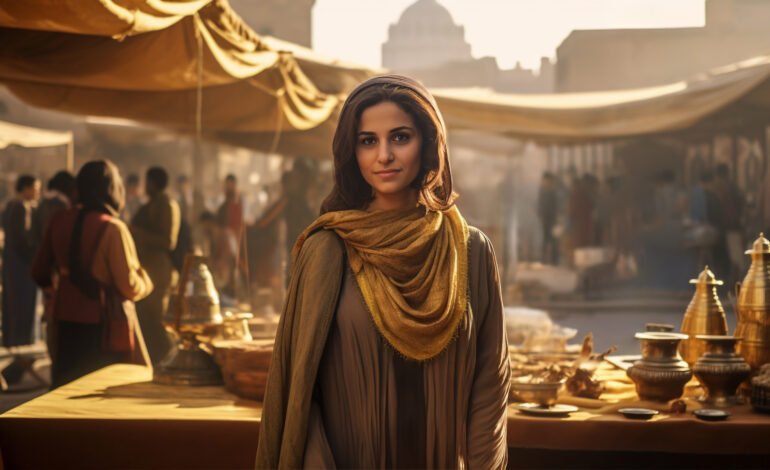

Long before runway shows and fashion magazines, clothing was already making powerful statements. Ancient civilizations didn’t just dress for protection from the elements—they wove identity, status, and belief systems into every garment they created.
The cradle of civilization gave birth to more than writing and architecture. In Ancient Egypt, Mesopotamia, and the Indus Valley, fashion emerged as a sophisticated language of power and belonging. Each society developed distinct textile traditions shaped by their environment, resources, and social structures.
From the sun-bleached linen of Egyptian pharaohs to the fringed wool robes of Mesopotamian priests, and the delicate cotton drapes of Indus Valley artisans, these ancient cultures pioneered techniques that would influence clothing for millennia. Their innovations in fabric production, dyeing methods, and adornment continue to echo in contemporary fashion.
This exploration reveals how three great civilizations dressed themselves—and what their choices tell us about who they were.
Ancient Egypt: Linen, Gold, and the Language of the Gods
The Nile River didn’t just sustain Egyptian agriculture—it enabled a textile revolution. Flax grew abundantly along its banks, providing the raw material for linen production that would become Egypt’s signature fabric.
The Supremacy of Linen
Egyptian weavers transformed flax into linen of extraordinary quality. The finest varieties were so sheer they revealed the body beneath, reserved exclusively for royalty and the priesthood. Coarser grades served the working classes, but even these surpassed fabrics available to most ancient peoples.
White dominated Egyptian fashion. The color symbolized purity and cleanliness, values central to Egyptian religious practice. Priests changed their linen garments multiple times daily, maintaining ritual purity through fresh, white cloth.
The climate played a crucial role in this textile choice. Linen’s breathable nature made it ideal for desert heat, while its moisture-wicking properties kept wearers comfortable during Nile floods and harvest seasons alike.
The Kalasiris: A Garment of Distinction
The kalasiris emerged as Egypt’s most iconic garment—a simple tube dress that spoke volumes about its wearer. Women wore it from chest to ankle, sometimes with one or both shoulders covered. Men’s versions reached from waist to knee or ankle, depending on their occupation and status.
Royal kalasiris differed dramatically from common versions. Pharaohs and queens wore pleated linen so fine it required months to produce. These pleats, created through intricate folding and weighted pressing, caught light in ways that made the wearer appear to shimmer.
The garment’s simplicity became its strength. Without complex tailoring, the kalasiris allowed fabric quality and adornment to communicate social position. A farmer’s coarse linen kalasiris and a queen’s gossamer version shared a silhouette but inhabited different worlds.
Royal Adornments: When Jewelry Spoke Louder Than Words
Egyptian nobility transformed the body into a canvas for precious materials. Gold collars—broad, multi-layered necklaces—announced status from across a crowded hall. These weren’t mere decoration; they represented divine favor and earthly power.
The famous vulture and cobra crowns of Upper and Lower Egypt demonstrated how adornment reinforced political authority. Tutankhamun’s death mask, with its striped nemes headcloth and false beard, shows how royal regalia created an instantly recognizable visual vocabulary of power.
Jewelry served protective functions too. Amulets shaped like scarabs, ankhs, and eyes of Horus warded off evil while displaying wealth. Carnelian, lapis lazuli, and turquoise added color to an otherwise white wardrobe, each stone carrying symbolic meaning.
Mesopotamia: Wool, Status, and the Power of Fringe
Between the Tigris and Euphrates rivers, a different textile story unfolded. Mesopotamian fashion evolved from animal skins to sophisticated woven garments that reflected the region’s complex social hierarchies.
From Sheepskins to Woven Wool
Early Mesopotamians wore sheepskins with the fleece still attached—practical protection from winter cold and summer sun. As weaving technology advanced, they transitioned to woolen fabrics that offered greater versatility.
Unlike Egyptian linen, Mesopotamian wool could be dyed vibrant colors. Reds, blues, and purples appeared in the wardrobes of the wealthy, extracted from costly natural sources. Purple dye from murex shells became so valuable that only royalty could afford garments in that hue.
The shift to woven wool represented more than technological progress. It enabled new forms of social distinction. While peasants still wore undyed wool or rough linen, elites displayed their status through color, pattern, and the quality of the weave.
The Significance of Fringe
Fringe became Mesopotamia’s defining fashion element. Not decorative trim added as an afterthought, these tassels formed an integral part of garment construction. Weavers left warp threads long, then knotted or braided them into elaborate fringes.
The length and complexity of fringe indicated social rank. Simple fringes appeared on everyday garments. Royal robes featured multiple layers of tassels, sometimes reaching from shoulder to ankle. The famous Standard of Ur depicts figures whose fringed garments immediately communicate their elevated status.
Religious significance infused this seemingly simple detail. Fringes were believed to carry protective power. Touching the fringe of a holy person’s garment could convey blessing or healing—a belief that persisted into later cultures and religious traditions.
Garment Evolution: The Kaunakes
The kaunakes—a skirt made of tufted fabric or fleece arranged in layered rows—represents Mesopotamian fashion innovation. Early versions mimicked sheepskin directly. Later interpretations used woven fabric cut and arranged to create a similar layered effect.
This garment bridged Mesopotamia’s pastoral past and its urban present. Kings wore elaborate kaunakes in religious ceremonies, connecting themselves to traditional authority while displaying current wealth. The garment’s labor-intensive construction made it a status symbol only the elite could afford.
Indus Valley: Cotton Pioneers and Sophisticated Simplicity
Along the Indus River in modern-day Pakistan and northwest India, a civilization emerged that would revolutionize textile production through cotton cultivation—a crop that would eventually clothe the world.
Masters of Cotton
The Indus Valley civilization was among the first to cultivate and weave cotton. Fragments of cotton fabric found at Mohenjo-daro date to approximately 3000 BCE, evidence of sophisticated textile production in this ancient culture.
Cotton offered advantages over both linen and wool. Softer than linen and cooler than wool, it suited the region’s subtropical climate perfectly. The Indus people developed techniques for spinning fine thread and weaving it into fabrics of remarkable quality.
Archaeological evidence suggests they understood color-fast dyeing. Madder root produced reds, indigo created blues. These weren’t fugitive dyes that faded quickly—they were permanent colors that survived washing and sun exposure.
Evidence from Terracotta: Reading Fashion in Clay
Without extensive written records, our understanding of Indus Valley fashion relies heavily on terracotta figurines. These small sculptures reveal surprisingly detailed information about how people dressed.
Many figurines depict elaborate hairstyles and headdresses, suggesting significant attention to personal appearance. Some wear what appears to be a dhoti-like lower garment—a wrapped cloth similar to garments still worn in the region today.
The figurines show minimal upper-body covering for men, while women appear to wear chest bands or short tops. This practical approach to clothing in a hot climate demonstrates how environment shaped fashion choices across civilizations.
Early Jewelry Craftsmanship
Indus Valley artisans achieved remarkable sophistication in jewelry production. They crafted beads from carnelian, agate, and faience with such precision that modern replication requires power tools. These beads were traded across vast distances, found in Mesopotamian sites thousands of miles away.
Bangles made from shell, terracotta, and precious metals appeared in multiple layers on arms. The famous “Dancing Girl” bronze sculpture from Mohenjo-daro shows a figure wearing numerous bangles from wrist to shoulder—evidence that jewelry served as both adornment and status marker.
Gold and silver ornaments demonstrate advanced metalworking techniques. Craftspeople created delicate chains, pendants, and earrings that rival modern jewelry in their refinement. This level of skill suggests specialized artisans and a society wealthy enough to support their work.
Climate, Geography, and the Fabric of Life
Comparing these three civilizations reveals how environment fundamentally shaped fashion choices. Each culture’s textile traditions emerged from the intersection of available resources and climatic necessity.
Material Matters: What Grew Where
Egypt’s Nile delta provided ideal conditions for flax cultivation. The plant required specific water levels and soil conditions that the annual flood cycle naturally supplied. Linen production became deeply embedded in Egyptian culture because the environment made it logical.
Mesopotamia’s landscape suited sheep and goat herding. Wool became the natural choice, supplemented by some linen production where irrigation supported flax cultivation. The region’s cooler winters made wool’s warmth an asset rather than a liability.
The Indus Valley’s climate and soil composition favored cotton. Once domesticated, this crop thrived in the region’s monsoon-influenced weather patterns. Cotton’s comfort in heat and humidity made it perfectly suited to local conditions.
Garment Structure and Weather Patterns
Egyptian garments remained simple and loose, maximizing airflow in relentless heat. The kalasiris’s straight silhouette prevented fabric from trapping hot air against the body. Even royal pleating served a practical purpose—creating channels for air circulation while adding visual interest.
Mesopotamian fashion showed more variety in structure, reflecting the region’s seasonal temperature swings. Winter garments included wrapped shawls and cloaks for warmth. Summer styles revealed more skin, though modesty standards kept most of the body covered compared to Egyptian practice.
Indus Valley clothing emphasized draping over tailoring. Wrapped garments could be adjusted for changing conditions—pulled tighter for cooler mornings, loosened during midday heat. This flexibility made wrapped styles supremely practical for a climate with significant daily temperature variation.
Color and Dye Technology
Climate influenced more than garment structure—it affected color choices too. Egypt’s intense sun would have faded many dyes quickly, making white linen a practical choice beyond its symbolic significance. When Egyptians did use color, they applied it to accessories and jewelry rather than to garments that required frequent washing.
Mesopotamia’s more moderate climate allowed colored fabrics to maintain their vibrancy longer. This enabled the development of a sophisticated dye industry. The civilization’s location at the crossroads of trade routes also gave access to expensive dyes from distant sources.
The Indus Valley’s cotton readily accepted and retained dyes. This, combined with indigenous plants that produced colorfast pigments, encouraged experimentation with patterned and colored fabrics. Evidence suggests they practiced resist-dyeing techniques, ancestors of modern batik and tie-dye methods.
Ancient Fashion’s Modern Legacy
The innovations of these ancient civilizations continue to influence contemporary fashion and textile production. Their discoveries in fiber processing, weaving techniques, and garment construction laid foundations we still build upon.
Sustainable Lessons from the Past
Ancient textile production was inherently sustainable by modern standards. These civilizations used renewable fibers, natural dyes, and production methods that generated minimal waste. Every scrap of fabric found use—worn garments became rags, which eventually decomposed naturally.
Contemporary sustainable fashion movements look to these ancient practices for inspiration. Natural fiber cultivation, plant-based dyes, and minimal-waste construction techniques are being rediscovered as solutions to modern fashion’s environmental crisis.
The ancient emphasis on quality over quantity offers another valuable lesson. When garments required months of skilled labor to produce, people treasured and maintained them. This contrasts sharply with modern fast fashion’s disposable approach.
Enduring Design Elements
The wrapped silhouettes of ancient dress resurface regularly in contemporary fashion. Modern designers reinterpret the Egyptian kalasiris as column dresses, the Mesopotamian shawl as dramatic evening wraps, and the Indus dhoti as palazzo pants and draped skirts.
Jewelry styles pioneered in these ancient cultures remain popular. Collar necklaces echo Egyptian broad collars. Stacked bangles reflect Indus Valley traditions. Tassels and fringe—Mesopotamia’s signature detail—appear seasonally on runways worldwide.
Even color symbolism persists. White’s association with purity and formality, established in ancient Egypt, continues in modern Western wedding dresses and formal wear. Purple’s connection to royalty, cemented by Mesopotamian exclusivity, still influences how we perceive the color.
Cotton’s Global Conquest
Perhaps the Indus Valley’s greatest legacy is cotton itself. From those early cultivations along the Indus River, cotton spread to become the world’s most important natural fiber. It clothes more people today than any other textile.
Modern cotton production dwarfs ancient scale, but the fundamental processes—cultivation, harvesting, spinning, and weaving—remain recognizable. Contemporary efforts to develop organic and sustainable cotton production methods actually circle back toward ancient practices, before industrial agriculture’s chemical-intensive approach.
Threads That Connect Us to the Cradle of Civilization
The fashion choices of Ancient Egypt, Mesopotamia, and the Indus Valley reflected far more than aesthetic preferences. They revealed social structures, religious beliefs, economic systems, and environmental adaptations. Each civilization developed textile traditions that allowed individuals to communicate identity at a glance.
These ancient peoples understood clothing as a language before linguistics formally described the concept. A pharaoh’s pleated linen, a Mesopotamian priest’s fringed robe, and an Indus Valley trader’s dyed cotton all spoke clearly to their contemporaries about the wearer’s place in society.
Their innovations in fiber processing, garment construction, and decorative techniques weren’t mere stepping stones to modern fashion—they were sophisticated solutions to complex challenges. Climate, available resources, social organization, and cultural values all influenced what people wore and how they made it.
The legacy of these ancient textile traditions extends beyond museum displays and archaeological reports. Every time we wrap ourselves in cotton, appreciate a well-draped garment, or use jewelry to express identity, we participate in practices refined thousands of years ago along the Nile, between the Tigris and Euphrates, and beside the Indus.
Ready to explore more about how ancient civilizations shaped our modern world? Discover our other articles on early human innovation and cultural development.
Related Blog Post: