
Fashion in the Medieval Era: Power, Class & Expression
When we think of the Middle Ages, we often picture knights in shining armor, grand stone castles, and elaborate feasts. But there’s another element that shaped Medieval life just as

When we think of the Middle Ages, we often picture knights in shining armor, grand stone castles, and elaborate feasts. But there’s another element that shaped Medieval life just as profoundly: clothing. Fashion during this period was far more than a matter of aesthetics or personal preference. It was a visual language that communicated status, wealth, religious devotion, and even political allegiance.
From the rough wool tunics of peasants to the jewel-encrusted gowns of queens, every garment told a story. The colors you wore, the fabrics draped across your shoulders, and the cut of your sleeves could reveal whether you were a nobleman, a merchant, or a servant. In many cases, these choices weren’t yours to make at all—they were dictated by law.
This post explores how Medieval fashion reflected the rigid structures of feudal society, the ways it evolved over centuries, and the lasting influence it continues to have on modern design and historical costume.
The Feudal System and the Dress Code Hierarchy
Medieval Europe was built on a strict social hierarchy known as the feudal system. At the top sat the monarch and nobility, followed by knights and clergy, then merchants and craftsmen, and finally, the peasantry. This pyramid wasn’t just a matter of titles and land ownership—it was visibly reinforced through clothing.
The nobles adorned themselves in luxurious fabrics like silk, satin, and velvet, often imported from the Far East at great expense. Their garments featured intricate embroidery, fur trim, and jeweled accessories. Meanwhile, peasants wore simple, durable tunics made from coarse wool or linen. These garments were practical, designed to withstand hard labor in the fields, and rarely included decoration.
The divide wasn’t subtle. A single glance could tell you someone’s place in society. This visual distinction helped maintain order and reinforce the belief that social mobility was neither expected nor desired.
Sumptuary Laws: When Fashion Became Legislation
To further solidify these boundaries, many Medieval governments enacted sumptuary laws—legal restrictions on what people could wear based on their social class. These laws were designed to prevent individuals from “dressing above their station” and to preserve the visual markers of hierarchy.
In England, for example, a statute from 1363 dictated that only royalty could wear cloth of gold or purple silk. Knights and their families were permitted to wear velvet and fur, but merchants and laborers were restricted to wool and linen. Penalties for violating these laws could include fines, public humiliation, or confiscation of the offending garment.
Sumptuary laws extended beyond fabric. They also regulated the use of certain colors, the length of sleeves, the shape of shoes, and even the amount of jewelry one could display. These regulations reveal how deeply intertwined fashion was with power. Clothing wasn’t just about self-expression—it was a form of social control.
Fabric and Textiles: A World of Wool, Silk, and Velvet
The type of fabric you wore spoke volumes about your wealth and access to trade networks. For the majority of Medieval Europeans, wool was the fabric of choice. It was readily available, affordable, and well-suited to the cold, damp climates of Northern Europe. Peasants typically wore undyed or naturally colored wool, which required less processing and cost.
Wealthier individuals had access to a broader palette of textiles. Linen, made from flax, was prized for undergarments and summer clothing due to its breathability. Silk, imported along the Silk Road from China and Byzantium, was a symbol of extreme luxury. Its shimmering texture and vibrant dyes made it the fabric of kings and queens.
Velvet emerged in the Late Middle Ages as another status symbol. Its dense, soft pile required advanced weaving techniques, making it expensive and exclusive. Nobles draped themselves in velvet gowns and cloaks, often dyed in rich shades of crimson, emerald, or royal blue.
Fur also played a significant role, particularly in colder regions. Ermine, sable, and fox were reserved for the elite, while commoners might line their cloaks with sheepskin or rabbit.
Evolution of Style: From Early to Late Middle Ages
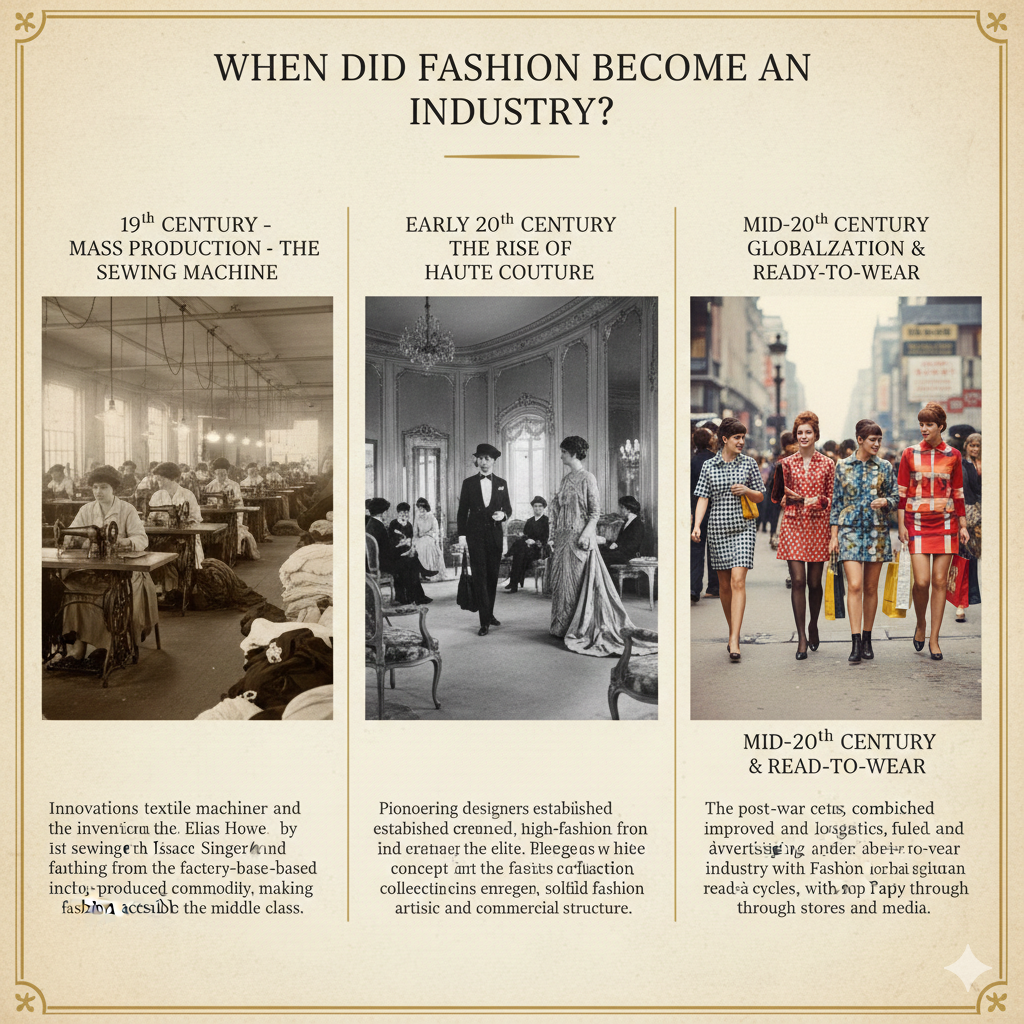
Medieval fashion wasn’t static. Over the course of roughly a thousand years—from the fall of Rome in the 5th century to the dawn of the Renaissance in the 15th—clothing styles evolved significantly.
Early Middle Ages (5th–10th Century)
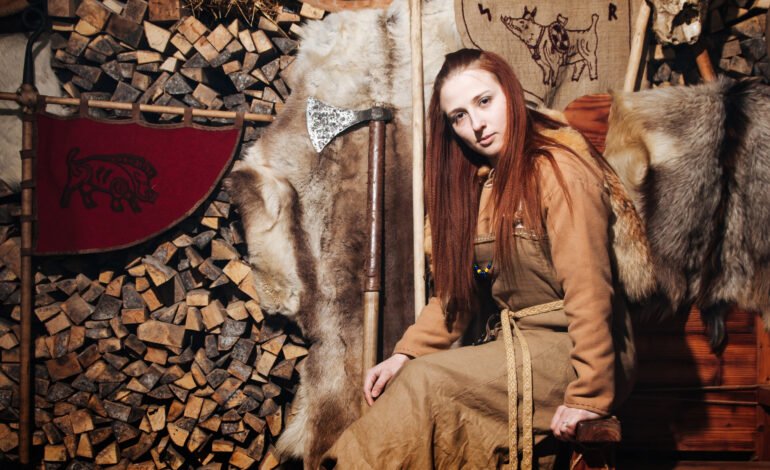
Fashion during the Early Middle Ages was relatively simple and functional. Men and women both wore tunics, often belted at the waist. Layers were added for warmth, and cloaks fastened with brooches were common. Clothing was loose-fitting, with little emphasis on the shape of the body.
High Middle Ages (11th–13th Century)
As trade expanded and wealth grew, fashion became more elaborate. Tailoring improved, allowing for garments that followed the body’s contours more closely. Women’s gowns featured fitted bodices and flowing skirts, while men began wearing hose (tight-fitting leg coverings) and shorter tunics.
This period also saw the rise of heraldic symbols embroidered onto garments, allowing knights and nobles to display their family crests.
Late Middle Ages (14th–15th Century)
By the Late Middle Ages, fashion had become highly theatrical. Sleeves grew longer and more exaggerated, sometimes trailing to the ground. Pointed shoes called poulaines became wildly popular among the wealthy, with some tips extending up to two feet in length.
Women’s fashion introduced the hennin—a tall, conical headdress draped with veils. Gowns featured plunging necklines and high waistlines, emphasizing an elongated silhouette. Men’s clothing became equally flamboyant, with padded shoulders, short doublets, and brightly colored hose.
Symbolism of Colors and Embroidery
Color held deep symbolic meaning during the Medieval period. Dyes were expensive and difficult to produce, so the hues you wore signaled not just wealth but also intent and identity.
Purple was the color of royalty, derived from rare mollusks and worth more than gold by weight. Red symbolized power, passion, and sometimes martyrdom. Blue, particularly deep shades like ultramarine, was associated with the Virgin Mary and divine grace. Green represented fertility and youth, while black was often linked to mourning or religious piety.
Embroidery added another layer of meaning. Gold thread woven into garments signified divine favor or royal authority. Religious motifs—crosses, angels, saints—adorned the robes of clergy and devout nobles. Heraldic designs communicated family lineage and political alliances.
Even the absence of decoration could speak volumes. Monastic orders like the Franciscans embraced plain, unadorned robes as a statement of humility and rejection of worldly vanity.
Gender Roles and Expression Through Clothing
Medieval fashion also reinforced strict gender roles. Men’s clothing emphasized strength and mobility, with tunics, hose, and sturdy boots suited for warfare, hunting, and labor. Women’s garments, by contrast, were designed to convey modesty, virtue, and domesticity.
Married women were expected to cover their hair, often with veils, wimples, or elaborate headdresses. Loose, flowing hair was associated with maidenhood or, in some contexts, immorality. Women’s gowns were typically long and layered, restricting movement and reinforcing their roles within the household.
That said, some women of high status used fashion as a form of subtle rebellion or self-expression. Queens and noblewomen commissioned garments that pushed the boundaries of modesty—low necklines, trailing sleeves, and ornate headpieces that drew attention and admiration.
Men, too, engaged in performative fashion. Knights displayed their prowess through armor and heraldic surcoats, while courtiers competed for favor with increasingly extravagant attire.
The Legacy of Medieval Fashion in Modern Design
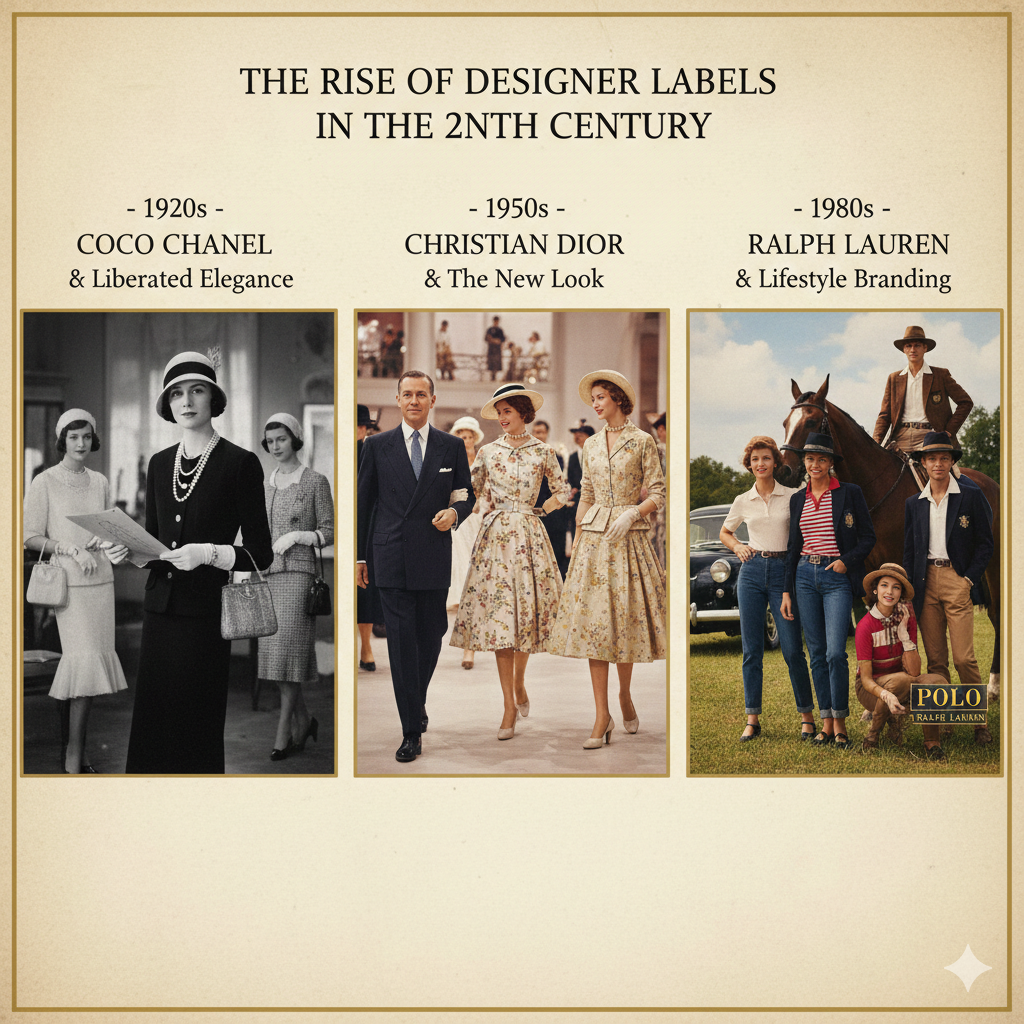
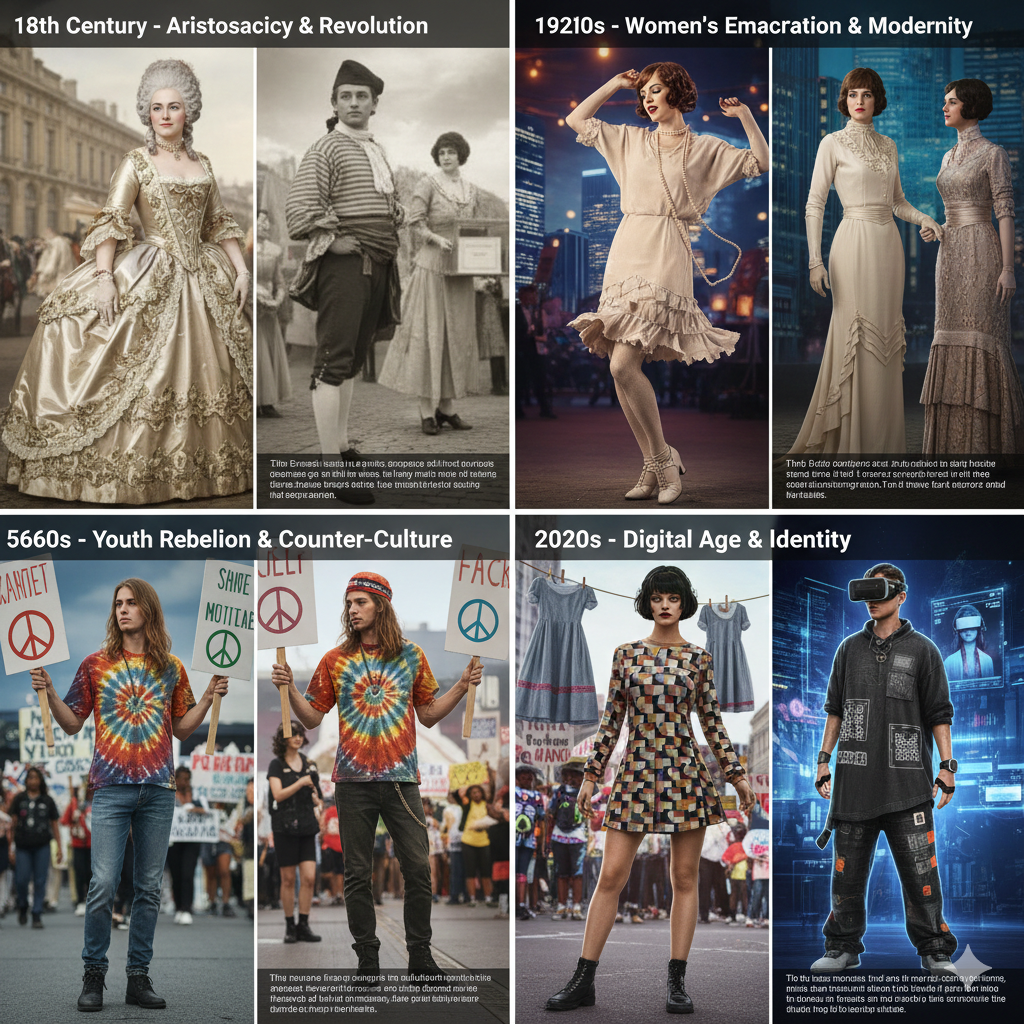
The influence of Medieval fashion extends far beyond the Middle Ages. Designers, filmmakers, and costume makers continue to draw inspiration from this period, captivated by its drama, symbolism, and craftsmanship.
Gothic revival movements in the 19th century brought back elements like pointed arches, rich velvets, and dark, romantic color palettes. Haute couture designers like Alexander McQueen and Vivienne Westwood have referenced Medieval silhouettes, fabrics, and embellishments in their collections.
Historical reenactment groups and Renaissance fairs keep Medieval fashion alive, with enthusiasts painstakingly recreating garments using period-appropriate techniques and materials. Fantasy television series like Game of Thrones and The Witcher have introduced Medieval-inspired costumes to global audiences, reigniting interest in this rich sartorial tradition.
Even modern fashion staples—corsets, capes, and velvet gowns—owe a debt to Medieval innovation and style.
Explore the Elegance of History
Medieval fashion was never just about clothing. It was a reflection of power, a tool of social control, and a canvas for artistic expression. From the sumptuary laws that dictated who could wear silk to the symbolic weight of a crimson cloak, every thread was woven with meaning.
Whether you’re a history enthusiast, a designer seeking inspiration, or simply curious about the past, there’s much to discover in the garments of the Middle Ages. Ready to bring a piece of history into your wardrobe? Explore our curated collection of historically inspired fashion and accessories, and experience the timeless elegance of Medieval style for yourself.
Related Blog Post: