
How Clothing Became Fashion: The Turning Point in Human History


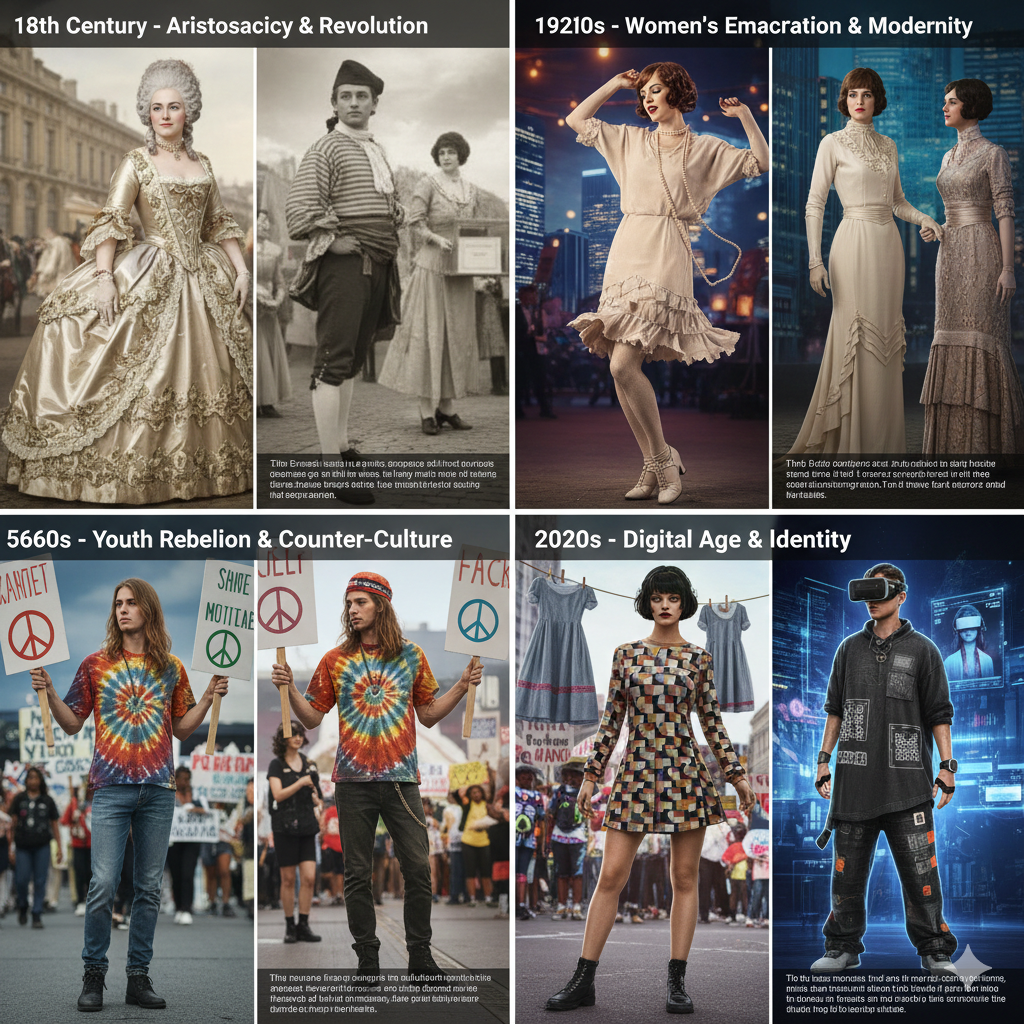
Humans have covered their bodies for millennia. Yet somewhere between draping animal hides for warmth and showcasing designer labels on runways, clothing evolved into something far more complex: fashion. This transformation wasn’t instantaneous, nor was it purely practical. It marked a profound shift in how we communicate identity, status, and culture.
Understanding when and why clothing became fashion reveals much about human civilization itself. The journey from basic protection to deliberate self-expression reflects our social evolution, technological advancement, and psychological needs. Fashion, as we know it today, emerged from a series of pivotal moments that changed not just what we wore, but why we wore it.
This post explores the critical turning points that transformed simple garments into powerful symbols of who we are and who we aspire to be.
Prehistoric Beginnings: Protective Layers and Early Social Signifiers
The earliest humans wore clothing out of necessity. Archaeological evidence suggests that our ancestors began covering themselves approximately 170,000 years ago, primarily for protection against harsh climates. Animal skins, plant fibers, and other natural materials served as barriers against cold, heat, and environmental hazards.
Yet even in these primitive times, clothing transcended pure function. Early societies used adornments—shells, bones, feathers, and pigments—to distinguish themselves. These decorative elements served as markers of tribal affiliation, social hierarchy, and even spiritual beliefs. A hunter might wear the skin of a formidable predator to signal prowess, while a leader could don distinctive headwear to demonstrate authority.
Ancient Civilizations and the Seeds of Fashion
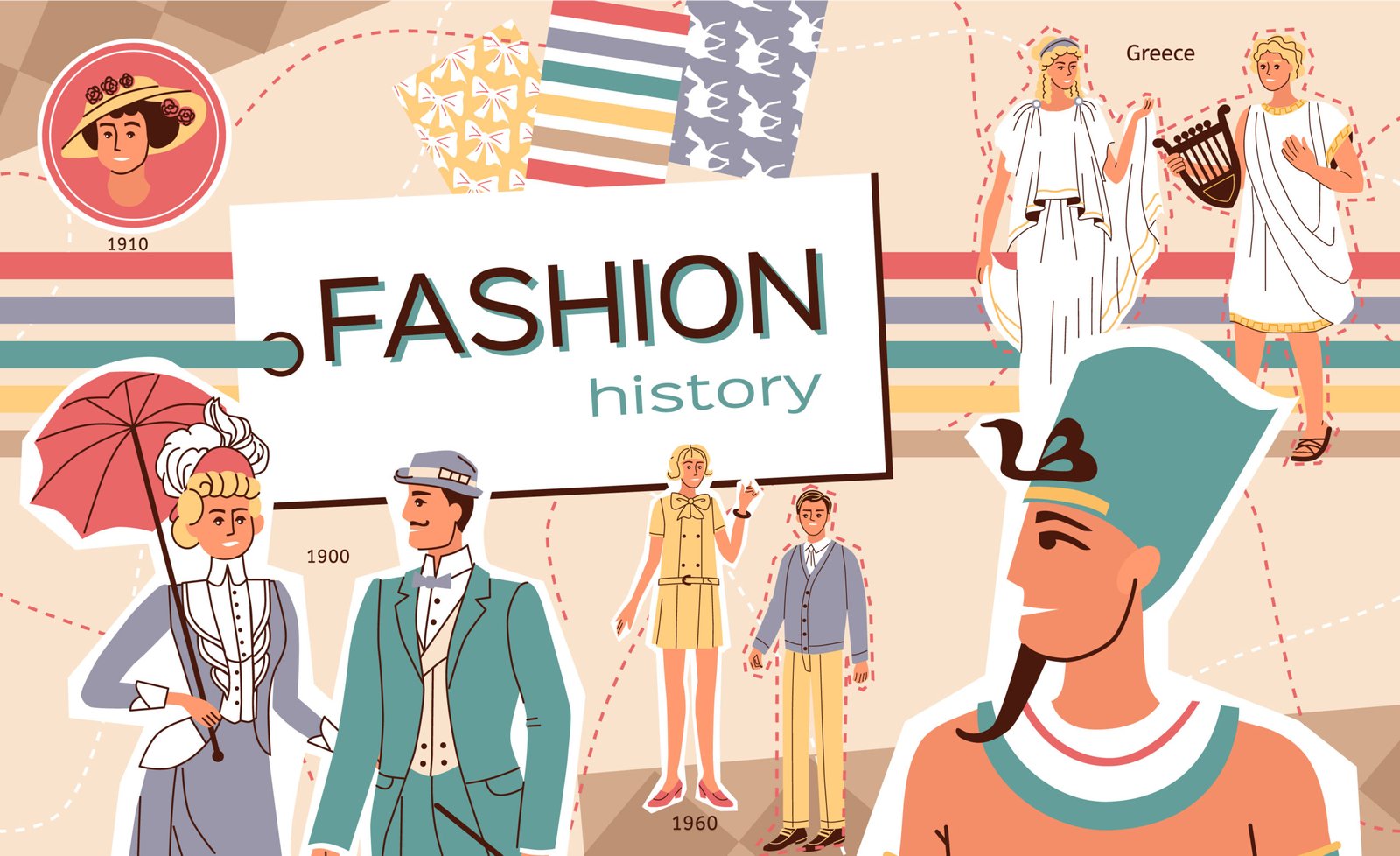
As civilizations developed in Egypt, Mesopotamia, Greece, and Rome, clothing became increasingly sophisticated. Textiles grew more refined, dyeing techniques advanced, and specific garments became associated with particular social classes. The toga in ancient Rome, for instance, wasn’t merely a piece of fabric—it represented citizenship, status, and political affiliation.
These ancient societies established principles that would define fashion for centuries: the use of rare materials to signal wealth, the association of specific styles with social roles, and the deliberate choice of clothing as a form of communication. However, fashion remained largely static, changing slowly over generations rather than seasons.
The Industrial Revolution: Mass Production and the Birth of Ready-to-Wear
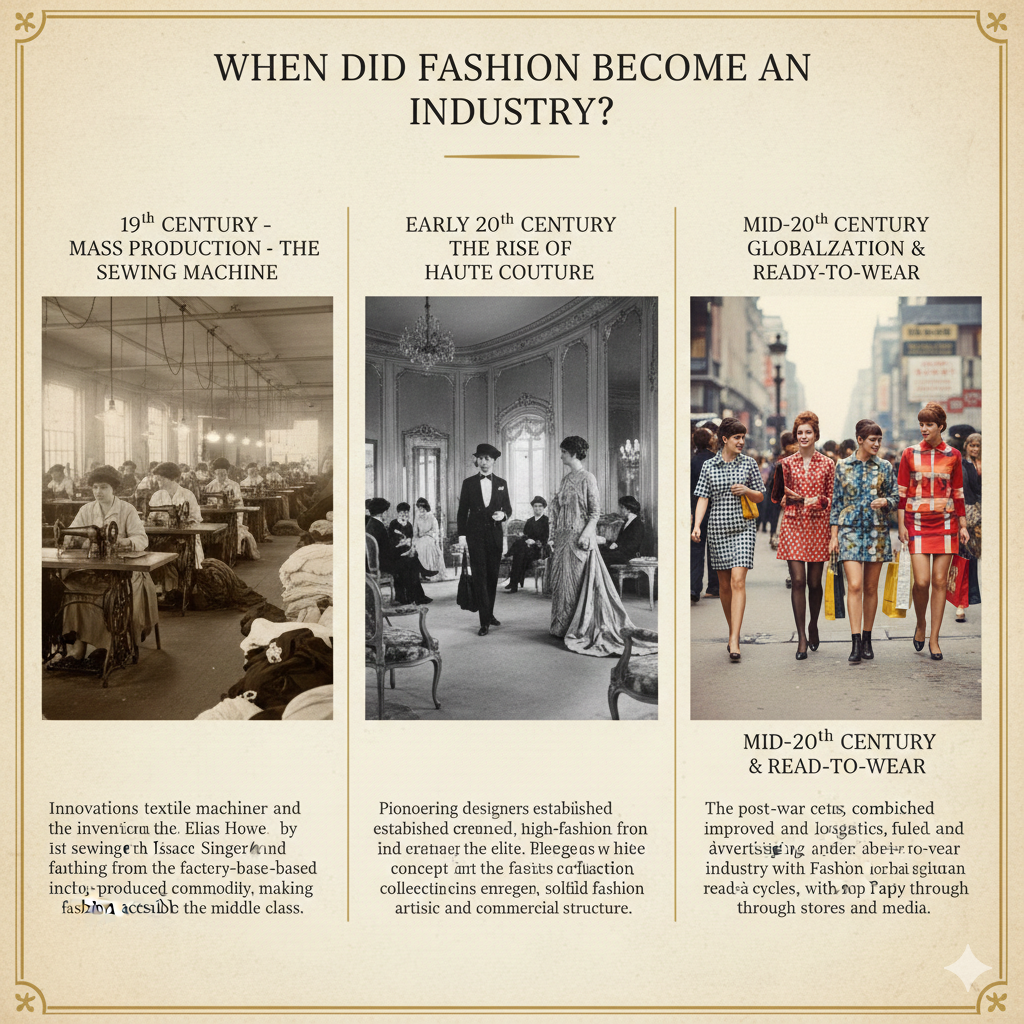
The true transformation of clothing into fashion accelerated dramatically during the Industrial Revolution of the 18th and 19th centuries. This period fundamentally altered how garments were produced, distributed, and consumed.
Before industrialization, clothing was either made at home or custom-tailored by skilled craftspeople. The process was time-consuming and expensive, limiting most people to a small wardrobe of durable, practical garments. Fashion, in the sense of rapidly changing styles, existed primarily among the wealthy elite who could afford frequent custom tailoring.
Technological Innovation Changes Everything
The invention of the sewing machine in 1846 by Elias Howe, followed by improvements from Isaac Singer, revolutionized garment production. Suddenly, clothing could be manufactured at a fraction of the previous cost and time. Textile mills powered by steam engines produced fabrics in unprecedented quantities.
These technological advances created the ready-to-wear industry. For the first time, ordinary people could purchase pre-made garments in standardized sizes. Department stores emerged in major cities, offering a variety of styles and price points. Fashion became accessible to the growing middle class, no longer the exclusive domain of aristocrats.
The Rise of Fashion Magazines
Parallel to these manufacturing changes, fashion magazines began circulating widely. Publications like Godey’s Lady’s Book in America and various European fashion journals disseminated information about current styles, creating a shared fashion consciousness across geographic boundaries. Women could now see illustrations of the latest Parisian designs and attempt to recreate or purchase similar styles in their own cities.
This democratization of fashion information, combined with more affordable clothing, accelerated the pace of style changes. Trends that once took decades to evolve now shifted within years or even seasons.
Haute Couture: How the 19th Century Defined the Modern Fashion Industry
While ready-to-wear expanded fashion’s reach, the establishment of haute couture in Paris created the framework for the modern fashion industry. Charles Frederick Worth, an English designer working in Paris, is credited with founding haute couture in the 1860s.
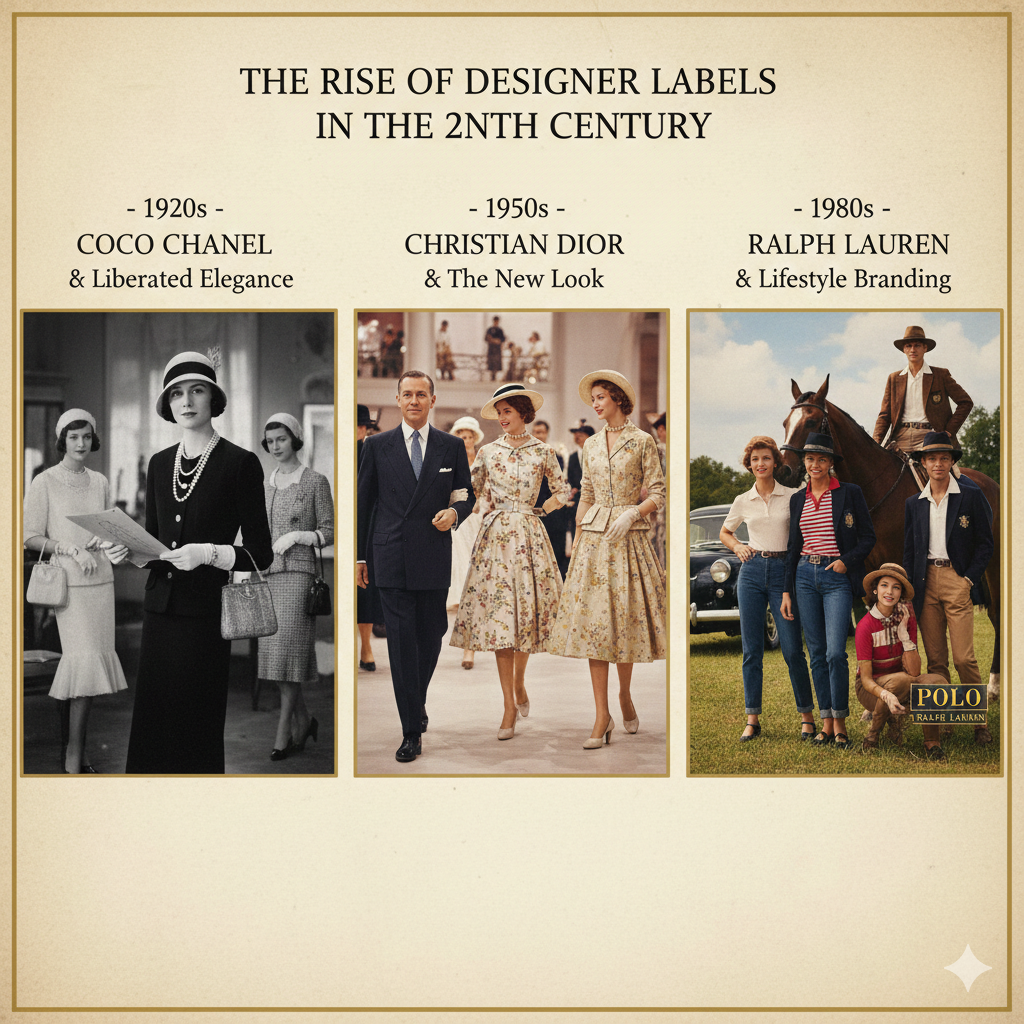
Worth made several innovations that seem obvious today but were revolutionary at the time. He was the first designer to sew labels bearing.
Related Blog post: