


How Religion Influenced Early Fashion Choices
Long before fashion became an industry, it was a language—one spoken through fabric, color, and form. For centuries, religious beliefs dictated not just what people wore, but why they wore

Long before fashion became an industry, it was a language—one spoken through fabric, color, and form. For centuries, religious beliefs dictated not just what people wore, but why they wore it. From the vibrant dyes reserved for sacred ceremonies to the modest cuts that signaled piety, faith has left an indelible mark on the garments we see today.
Understanding this connection offers more than a history lesson. It reveals how deeply intertwined spirituality and self-expression have always been, and how the aesthetics of devotion continue to influence modern style. Whether it’s the flowing silhouettes inspired by monastic robes or the intricate embroidery borrowed from religious vestments, the echoes of faith are everywhere in fashion.
This post explores the spiritual roots of early clothing choices, tracing their journey from sacred rituals to contemporary runways. By examining the role of modesty, hierarchy, symbolism, and tradition, we’ll uncover how religion helped shape the very fabric of fashion history.
The Spiritual Significance of Textiles and Colors
In ancient societies, textiles were far more than utilitarian objects. They carried spiritual weight, often serving as tangible expressions of the divine. The choice of fabric, color, and pattern was rarely arbitrary—it reflected cosmology, ritual, and social order.
Sacred Materials and Ritualistic Use
Many early civilizations believed certain materials possessed spiritual properties. Linen, for example, was favored by Egyptian priests for its purity and association with the goddess Isis. Its use in temple garments signified a connection to the sacred, distinguishing clergy from the general population.
Similarly, silk held profound significance in ancient China, where it was reserved for imperial and religious ceremonies. The production of silk itself was shrouded in ritual, and the fabric became synonymous with divine favor and celestial authority.
The Language of Color
Color played an equally vital role in religious dress. Purple, one of the most expensive dyes to produce in antiquity, became a symbol of royalty and spiritual authority across multiple cultures. In Christianity, it came to represent penance and preparation, while in Judaism, it denoted nobility and holiness.
White symbolized purity and innocence in many traditions, from the baptismal robes of early Christians to the simple garments worn by Buddhist monks. Red, by contrast, often signified sacrifice, martyrdom, or divine power—a meaning that persists in the vestments of Catholic cardinals.
Gold thread and embellishments were reserved for the most sacred occasions, representing divine light and eternal glory. These visual cues created a hierarchy of meaning that transcended language, allowing believers to identify spiritual roles and ritual contexts at a glance.
Modesty Requirements and the Evolution of Silhouettes
Religious teachings about the body have profoundly influenced garment construction throughout history. Modesty—a concept interpreted differently across faiths—became a driving force in the development of specific cuts, draping techniques, and layering systems.
Covering the Form
In many religious traditions, modesty demanded that garments conceal rather than reveal the body’s natural shape. This principle led to the development of loose, flowing silhouettes that prioritized coverage over form-fitting designs.
Islamic dress codes, for instance, encouraged garments that draped generously, giving rise to styles like the abaya and kaftan. These flowing robes not only fulfilled religious obligations but also influenced regional fashion across the Middle East and North Africa, eventually inspiring bohemian and modest fashion movements globally.
Christianity, particularly during the Medieval and Renaissance periods, similarly emphasized modesty. Women’s gowns featured high necklines, long sleeves, and voluminous skirts, while men’s tunics and doublets maintained a level of restraint. These silhouettes became the foundation for European fashion for centuries.
Layering as Virtue
The concept of layering also emerged from religious modesty requirements. Multiple garments worn simultaneously created both physical and symbolic barriers between the body and the outside world. This practice was evident in the elaborate dress of Orthodox Jewish communities, where layering signified respect for religious law.
In monastic traditions, the habit—a layered ensemble of tunic, scapular, and cloak—became the template for structured, modest dress. Its influence can be seen in the continued popularity of layered looks in contemporary fashion, from oversized sweaters over collared shirts to the enduring appeal of the cape.
Gender Distinctions
Religious texts often prescribed different standards of modesty for men and women, leading to gendered silhouettes that persisted for generations. Women’s clothing tended toward concealment and ornamentation, while men’s attire balanced coverage with mobility and practicality.
These distinctions shaped not only religious communities but also secular society, as fashion norms often mirrored or reacted to religious expectations. The result was a long-standing tradition of gender-specific dress codes that only began to blur significantly in the 20th century.
Religious Hierarchy and Status-Based Dress Codes
Faith communities have long used clothing to communicate social and spiritual rank. From the pope’s elaborate vestments to the simple robes of a novice monk, dress became a visible marker of one’s place within the religious order—and, by extension, society at large.
Vestments as Symbols of Authority
In Christianity, the development of liturgical vestments created a visual language of hierarchy. Bishops wore mitres and carried crosiers, while priests donned chasubles during Mass. Each garment had specific meanings, rooted in scripture and tradition, that reinforced the wearer’s spiritual authority.
The Catholic Church’s use of color-coded vestments further emphasized this hierarchy. Cardinals in red, bishops in purple, and the pope in white created a spectrum of power that was immediately recognizable. This system influenced secular court dress, where monarchs and nobility adopted similar color-coding to assert their own divine right to rule.
Sumptuary Laws and Luxury Restrictions
Religious institutions often collaborated with secular powers to enforce sumptuary laws—regulations that restricted certain fabrics, colors, or styles to specific classes. These laws aimed to maintain social order and prevent the lower classes from adopting the dress of their betters.
In Medieval Europe, only royalty and high clergy could wear fabrics like ermine or cloth of gold. Commoners who violated these restrictions faced fines or public shaming. Such laws reinforced the idea that one’s outward appearance should reflect their God-given station in life.
While ostensibly about maintaining order, these regulations also had economic motivations. By controlling access to luxury goods, religious and political leaders could ensure that wealth remained concentrated among the elite.
The Monastic Influence on Simplicity
Not all religious dress emphasized opulence. Monastic orders, particularly those following vows of poverty, championed simplicity and uniformity. The humble brown robes of Franciscan friars or the black habits of Benedictine monks represented a rejection of worldly vanity.
This aesthetic of restraint influenced secular fashion as well, particularly during periods of religious reform. The Protestant Reformation, for example, led to a backlash against the ornate Catholic vestments, promoting instead a sober, unadorned style that emphasized inner devotion over outward display.
From Sacred Vestments to Mainstream Fashion
Religious garments didn’t remain confined to places of worship. Over time, elements of liturgical and devotional dress migrated into everyday fashion, often carrying their symbolic meanings with them.
The Robe and the Gown
The flowing robes worn by clergy across multiple religions became the prototype for formal gowns and academic regalia. The academic hood, for instance, originated from the monastic cowl, while the traditional graduation gown echoes the simple tunics of medieval scholars—many of whom were also clerics.
Similarly, the ornate brocade robes of Buddhist and Hindu priests inspired the luxurious kimonos and saris that became symbols of cultural identity in Japan and India. These garments retained their spiritual associations even as they entered mainstream use.
Veils and Head Coverings
The veil, a garment with deep religious roots, has undergone numerous transformations throughout history. In Christianity, the bridal veil symbolized purity and submission, a tradition that persists in modern weddings. The hijab, niqab, and burqa continue to serve as expressions of faith for Muslim women, even as they spark ongoing debates about autonomy and identity.
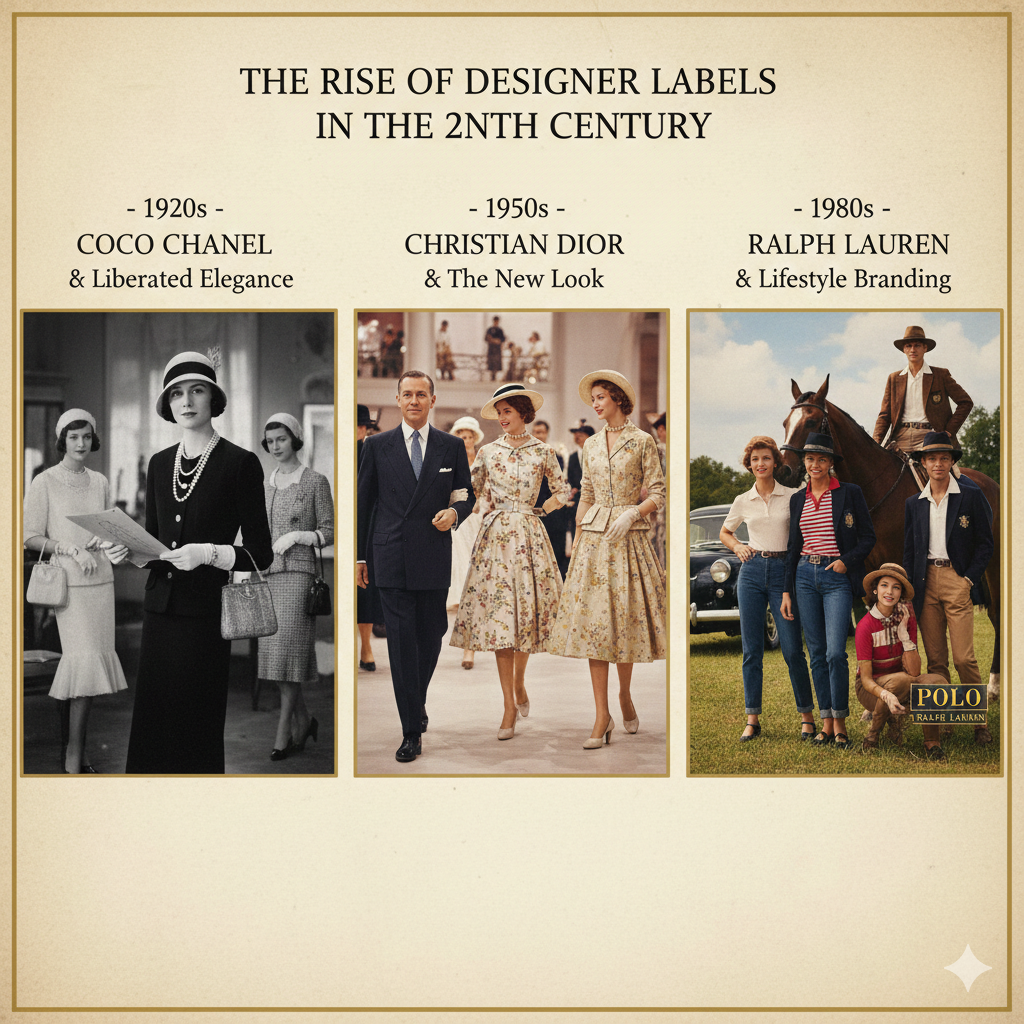
Head coverings also influenced haute couture. Designers like Christian Dior and Coco Chanel incorporated veils and headscarves into their collections, transforming them from religious symbols into fashion statements.
Crosses, Rosaries, and Sacred Jewelry
Religious symbols have long adorned clothing and accessories, but their journey from devotion to decoration is particularly striking. The cross, once a solemn emblem of Christian faith, became a ubiquitous motif in jewelry and fashion during the 20th century.
Rosary beads, traditionally used for prayer, inspired the long, beaded necklaces popular in the 1920s. Designers like Gianni Versace and Jean Paul Gaultier later incorporated bold crosses and religious iconography into their collections, blurring the line between reverence and rebellion.
This appropriation hasn’t been without controversy. Critics argue that secularizing sacred symbols diminishes their spiritual significance, while others see it as an evolution of cultural expression.
Religious Symbols as Decorative Motifs
Beyond garments themselves, religious iconography has permeated fashion through patterns, embroidery, and embellishments. These motifs carry centuries of meaning, even when stripped of their original context.
The Cross and Sacred Geometry
The cross is perhaps the most recognizable religious symbol in fashion. Its simple, symmetrical form lends itself to endless reinterpretation, from delicate pendant necklaces to bold gothic prints. Designers have used it to evoke everything from medieval piety to punk rebellion.
Sacred geometry—patterns rooted in religious art and architecture—has also found its way into textiles. Islamic geometric patterns, with their intricate tessellations and arabesques, have inspired countless fabric designs, from luxury scarves to contemporary streetwear.
Mandalas and Spiritual Imagery
Hindu and Buddhist mandalas, circular designs representing the universe, have become popular motifs in bohemian and festival fashion. Printed on maxi dresses, tapestries, and yoga wear, these symbols have been embraced by Western audiences seeking spiritual connection or aesthetic appeal.
However, this popularization raises questions about cultural appropriation. When religious symbols are removed from their original contexts and commodified, they risk losing their deeper meanings—or worse, being misunderstood.
Embroidered Narratives
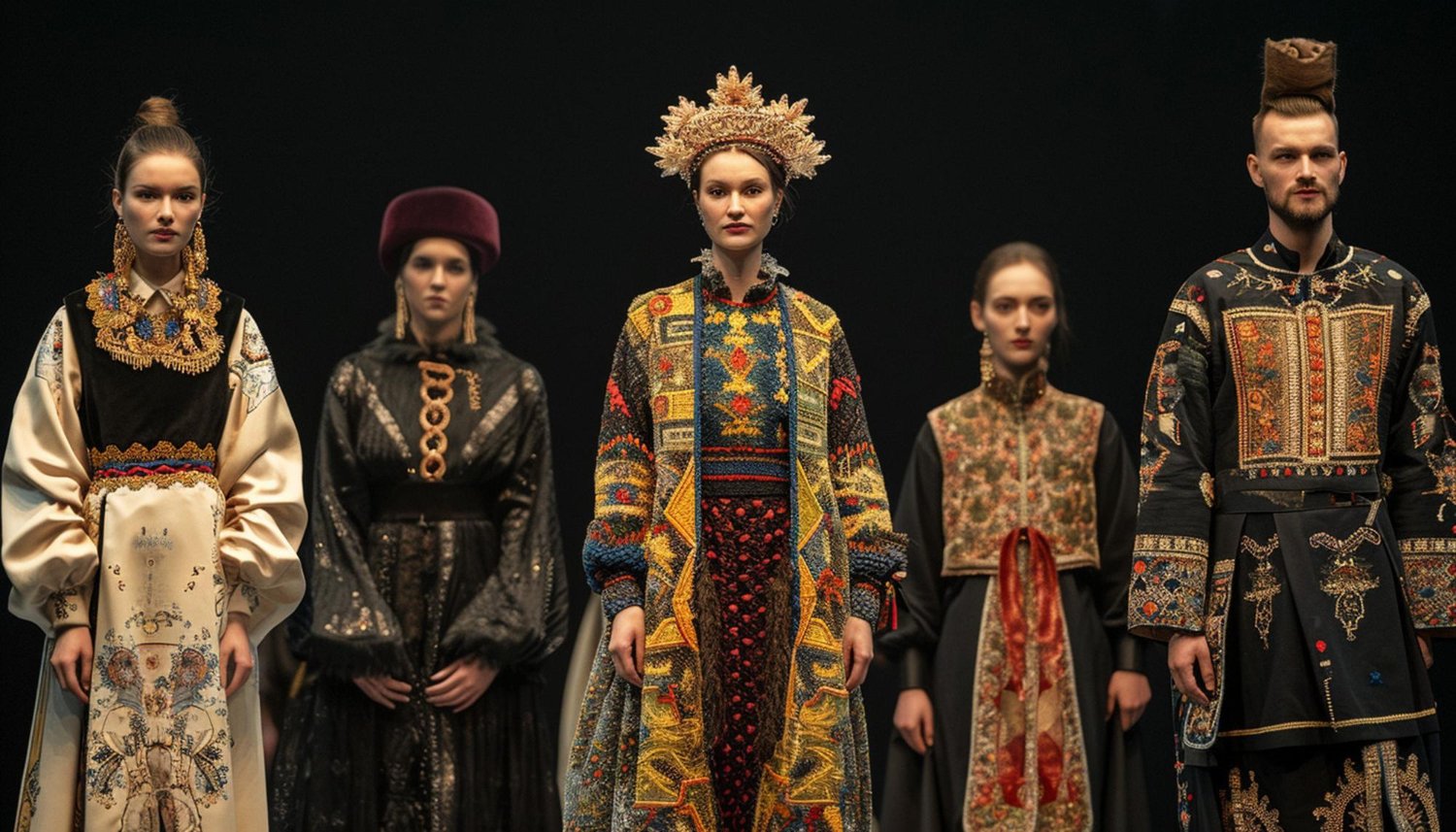
Religious embroidery, particularly in the form of illuminated scenes and scriptural verses, has inspired decorative techniques across cultures. The elaborate gold threadwork of Orthodox vestments influenced European court embroidery, while the intricate patterns of Islamic calligraphy shaped textile design throughout the Middle East and Asia.
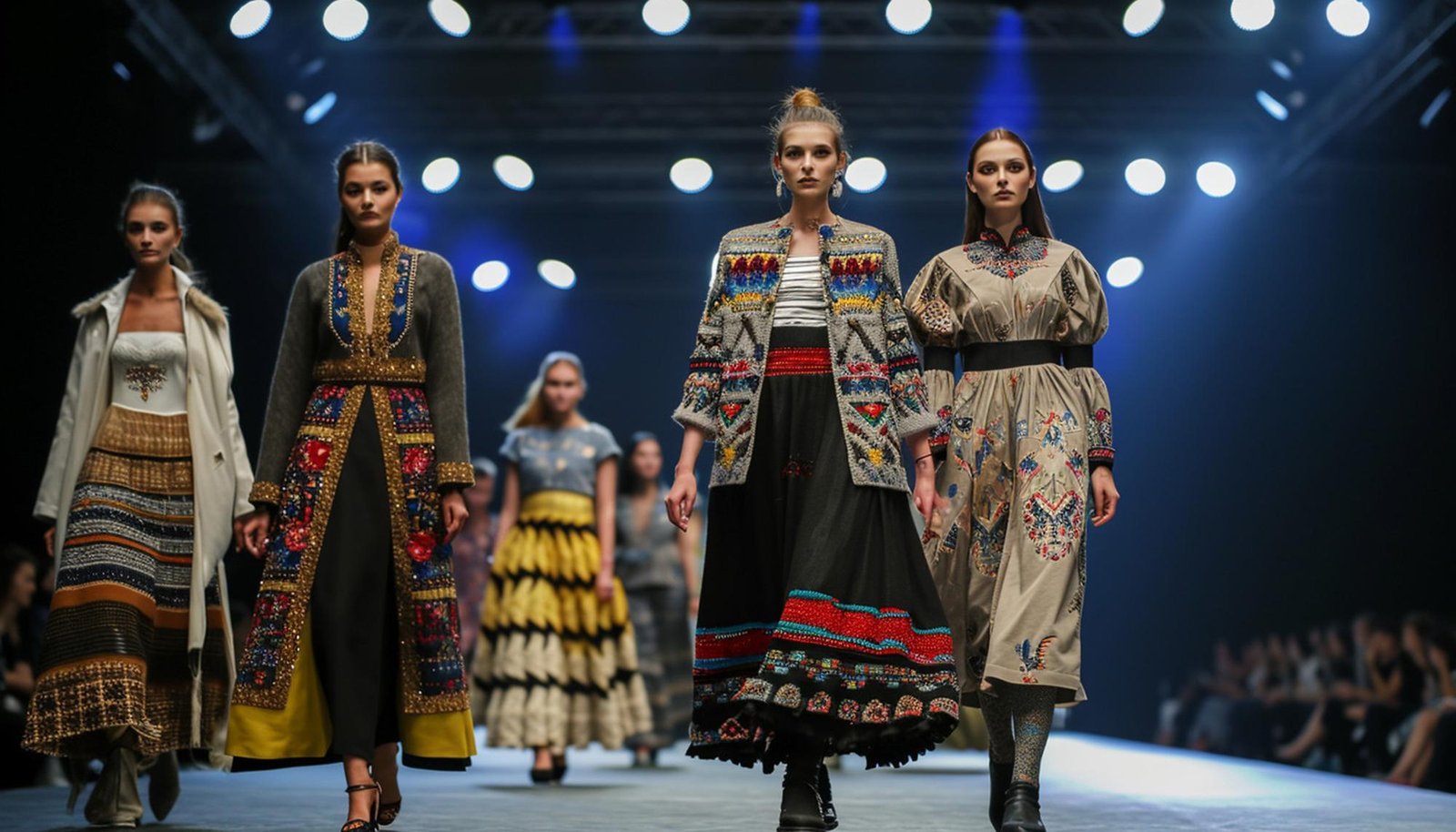
Even today, designers draw on these traditions, incorporating ornate embellishments that echo the craftsmanship of sacred garments. The result is a rich tapestry of influences that connect contemporary fashion to its devotional past.
The Enduring Legacy of Faith in Fashion
The relationship between religion and fashion is neither simple nor static. It’s a dynamic exchange that has shaped aesthetics, reinforced hierarchies, and sparked creative innovation for millennia. From the sacred dyes of ancient priests to the runway reinterpretations of contemporary designers, the influence of faith on style remains profound.
Religious dress codes taught societies about modesty, hierarchy, and symbolism—lessons that continue to inform how we think about clothing today. Even as fashion becomes increasingly secular, the echoes of devotion persist in the silhouettes we choose, the colors we wear, and the symbols we adorn ourselves with.
Understanding this history enriches our appreciation for the garments we take for granted. It reminds us that fashion is more than aesthetics; it’s a repository of culture, belief, and identity. As we continue to reinterpret and reimagine these traditions, we honor the sacred origins that helped shape the way we dress.
Want to explore more about the intersection of culture, history, and style? Subscribe to our newsletter for exclusive deep dives into fashion’s fascinating past and its ever-evolving future.