
How Royalty Shaped Early Fashion Trends

Long before fashion magazines and social media influencers dictated what to wear, monarchs and their courts held absolute sway over sartorial choices. The garments worn by kings and queens weren’t simply clothing—they were carefully orchestrated displays of power, wealth, and divine authority. Every thread, every color, and every embellishment served a purpose that extended far beyond aesthetics.
For centuries, royalty didn’t just follow fashion trends; they created them. Their choices rippled outward from palace halls to the streets of their kingdoms and eventually across continents. Understanding this relationship between monarchy and style reveals not only the history of fashion but also the mechanisms of social control, economic influence, and cultural identity that shaped civilizations.
The connection between royal power and clothing ran so deep that laws were enacted to prevent commoners from imitating their rulers. Textiles became as valuable as precious metals. Court appearances transformed into strategic performances where a single outfit could signal political alliances or declare intentions of war.
This exploration into how royalty shaped early fashion trends uncovers a world where clothing was politics, economics, and art woven into one.
The Divine Right of Dress
Medieval and Renaissance monarchs operated under the doctrine of divine right—the belief that their authority came directly from God. This spiritual mandate needed visible reinforcement, and clothing became one of the most effective tools for communicating this heavenly connection.
Crowns, scepters, and orbs served as obvious symbols of authority, but the garments themselves carried equal weight. Elaborate robes, flowing trains, and towering headpieces physically elevated monarchs above their subjects. The sheer volume of fabric required for royal garments made movement deliberate and ceremonial, transforming every gesture into a ritualistic display.
Colors played a crucial role in this visual theology. Certain hues became exclusively associated with royalty through both tradition and law. The symbolic language of color was understood across social classes, making royal garments instantly recognizable and impossible to replicate without transgressing both social norms and legal boundaries.
The clothing also served a practical purpose in an era before widespread literacy. Visual symbols communicated power to subjects who might never read a proclamation or witness a coronation. A glimpse of royal purple or gold thread reinforced the social order and reminded viewers of their place within it.
Fabric of Power
The materials used in royal garments were as important as their design. Rare and expensive textiles became synonymous with nobility, creating a direct correlation between wealth and wearability.
Tyrian purple stands as perhaps the most famous example of this phenomenon. Extracted from thousands of sea snails, this dye was so costly and labor-intensive to produce that it became reserved exclusively for emperors and the highest echelons of Roman society. The color wasn’t merely fashionable—it was legally protected. Wearing Tyrian purple without proper authority could result in severe punishment or death.
Cloth of gold represented another pinnacle of textile luxury. These fabrics wove actual gold threads into silk, creating garments that were literally worth their weight in precious metal. European monarchs used cloth of gold for coronations, diplomatic meetings, and state portraits. The material caught light dramatically, ensuring the wearer commanded attention in any setting.
Silk itself functioned as a marker of privilege for centuries. Before trade routes became established, European nobility paid extraordinary sums to acquire silk from Asia. The fabric’s smooth texture, vibrant dye acceptance, and luxurious drape made it instantly distinguishable from the wool and linen available to common people.
Fur presented yet another avenue for displaying status. Ermine, with its distinctive white winter coat and black tail tips, became particularly associated with royalty. Portraits of monarchs routinely featured ermine-lined robes, and the specific number and arrangement of the black spots could indicate rank within the aristocracy.
Embellishments added further layers of meaning and value. Pearls, precious stones, and intricate embroidery transformed garments into wearable treasure chests. These decorative elements required skilled craftspeople to produce, creating entire economies around royal fashion. Workshops specializing in goldwork, jewel-setting, and fine embroidery thrived under royal patronage.
Sumptuary Laws
The desire to imitate royal fashion was so strong that governments throughout Europe and Asia enacted sumptuary laws—legal restrictions on what different social classes could wear. These regulations reveal the anxiety that luxury consumption caused among ruling classes and demonstrate how seriously fashion was taken as a marker of social hierarchy.
England’s sumptuary laws, enacted as early as 1337, specified which fabrics, colors, and garments could be worn by different ranks. Only royalty could wear purple silk and cloth of gold. The nobility had access to certain furs and fabrics forbidden to merchants and artisans. Even successful merchants, despite their wealth, could not legally dress like aristocrats.
These laws served multiple purposes beyond maintaining social distinctions. Economic motivations played a significant role—rulers wanted to prevent money from flowing out of their kingdoms to purchase luxury imports. By restricting who could buy expensive foreign textiles, governments attempted to protect domestic industries and preserve capital.
Enforcement of sumptuary laws varied considerably. Some monarchs pursued violations aggressively, while others largely ignored them. The laws themselves were frequently updated, suggesting that people consistently attempted to dress above their station despite legal consequences.
The existence of these regulations demonstrates how fashion functioned as a battleground for social mobility. As merchant classes accumulated wealth through trade, they sought to translate economic success into social status. Clothing offered the most visible way to make this claim, which threatened the traditional aristocratic order.
Sumptuary laws eventually became unenforceable as economies grew more complex and wealth became more widely distributed. Their gradual abandonment marked a shift in how European societies understood class and status, though the association between luxury fashion and prestige has never disappeared entirely.
Influence of Key Monarchs
Certain rulers transcended their roles as fashion consumers to become genuine innovators whose personal style influenced generations.
Elizabeth I of England transformed her appearance into state policy. Her elaborate ruffs, jewel-encrusted gowns, and dramatic white makeup created an instantly recognizable image that symbolized English power during a golden age. She understood that her appearance was inseparable from her authority as a female monarch in a male-dominated world.
Elizabeth’s wardrobe was staggering in size and value. She owned thousands of gowns and maintained strict control over her image, even dictating which portraits could be copied and distributed. Her style influenced English fashion for decades and established conventions for royal portraiture that persisted long after her death.
Louis XIV of France elevated royal fashion to unprecedented heights. Known as the Sun King, he made his court at Versailles the epicenter of European style. His personal passion for fashion and spectacle turned clothing into an instrument of political control.
Louis required his nobility to attend court and maintain expensive wardrobes to do so. This strategy served a dual purpose—it kept potential rivals nearby where they could be watched, and it drained their financial resources, making them dependent on royal favor for pensions and appointments. The king himself changed outfits multiple times daily, and his morning dressing ceremony became a privilege that courtiers competed to attend.
The Sun King’s influence extended beyond France. European courts mimicked Versailles, adopting French styles and even the French language. Paris began its transformation into the fashion capital it remains today, a status directly traceable to Louis XIV’s strategic deployment of style as statecraft.
Catherine de Medici brought Italian Renaissance fashion to France when she married the future Henry II. She introduced new silhouettes, fabrics, and the practice of wearing heels—initially designed to help her appear taller and more imposing. Her influence demonstrates how royal marriages functioned as fashion exchanges, transmitting styles across borders.
The Court as a Runway
Royal courts served as the original fashion shows, spaces where new styles debuted and circulated among the elite before reaching wider audiences.
Court presentation ceremonies required specific attire, creating demand for fashion that met royal standards. Aristocrats competed for royal attention through their clothing choices, investing enormous sums to appear fashionable and prosperous. This competition drove innovation as tailors and seamstresses developed new techniques to differentiate their clients.
Portraits played a crucial role in disseminating court fashions. Monarchs commissioned paintings that circulated among other courts, aristocratic households, and eventually broader publics. These images froze fashionable moments in time, allowing styles to spread across distances that would have taken months to travel physically.
Royal mistresses and favorites often influenced fashion as much as monarchs themselves. Madame de Pompadour, the official mistress of Louis XV, became a style icon whose choices influenced fabric patterns, hairstyles, and decorative arts. Her position at court gave her visibility, and her taste shaped what others considered fashionable.
The seasonal migration of courts also affected fashion’s spread. As monarchs moved between residences, their entourages brought styles to different regions. Provincial nobility who visited court returned home with knowledge of the latest fashions, which they then adapted and shared within their own spheres of influence.
Fashion dolls—small figures dressed in miniature versions of current styles—circulated among courts before fashion magazines existed. These dolls allowed aristocrats to see three-dimensional representations of new garments, complete with proper construction and draping. The practice demonstrates the lengths to which people would go to stay current with royal fashion trends.
The Lasting Legacy of Royal Aesthetics
The influence of royal fashion extends far beyond historical interest. Contemporary luxury brands explicitly invoke aristocratic and royal imagery to communicate prestige and exclusivity.
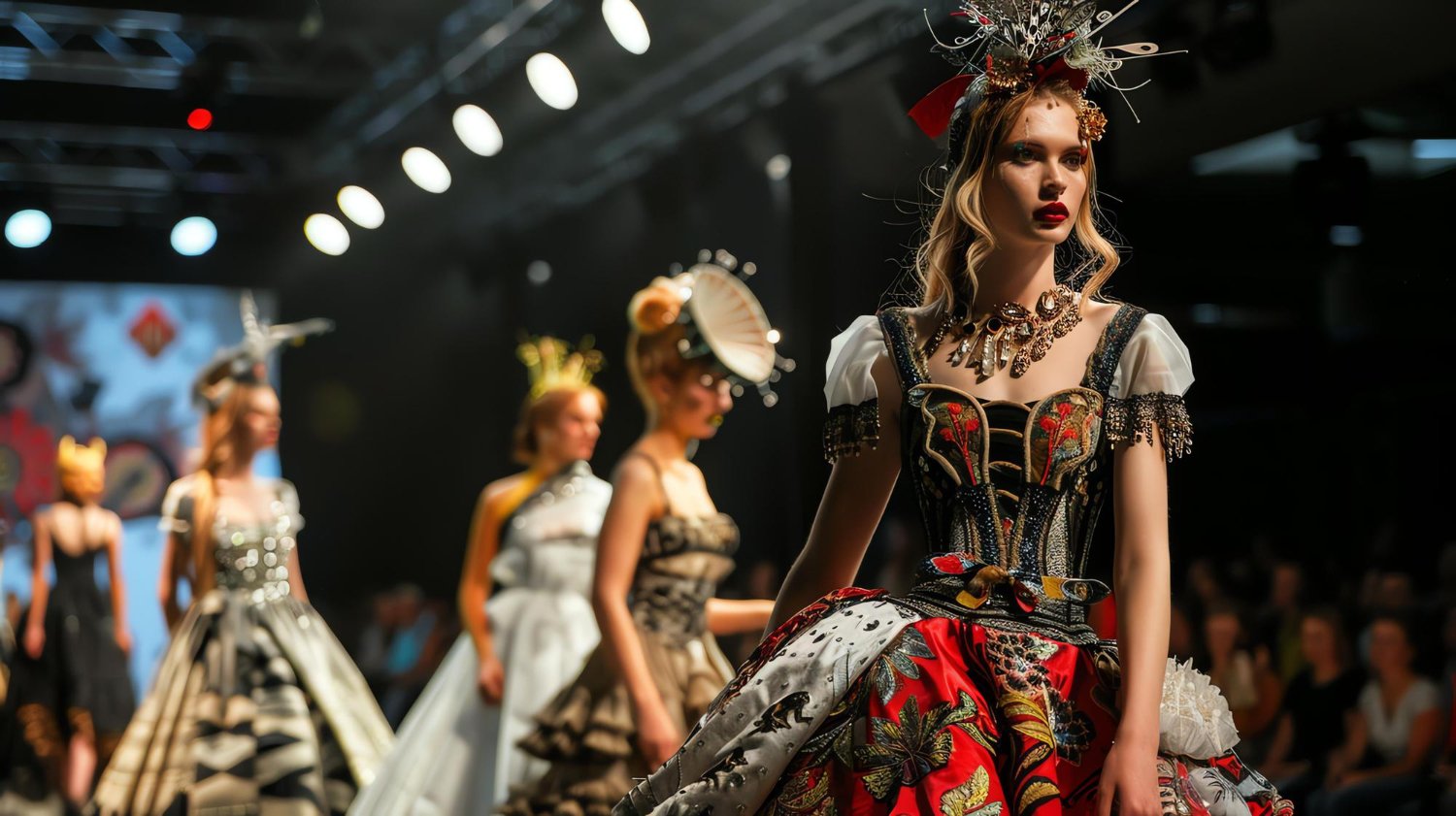
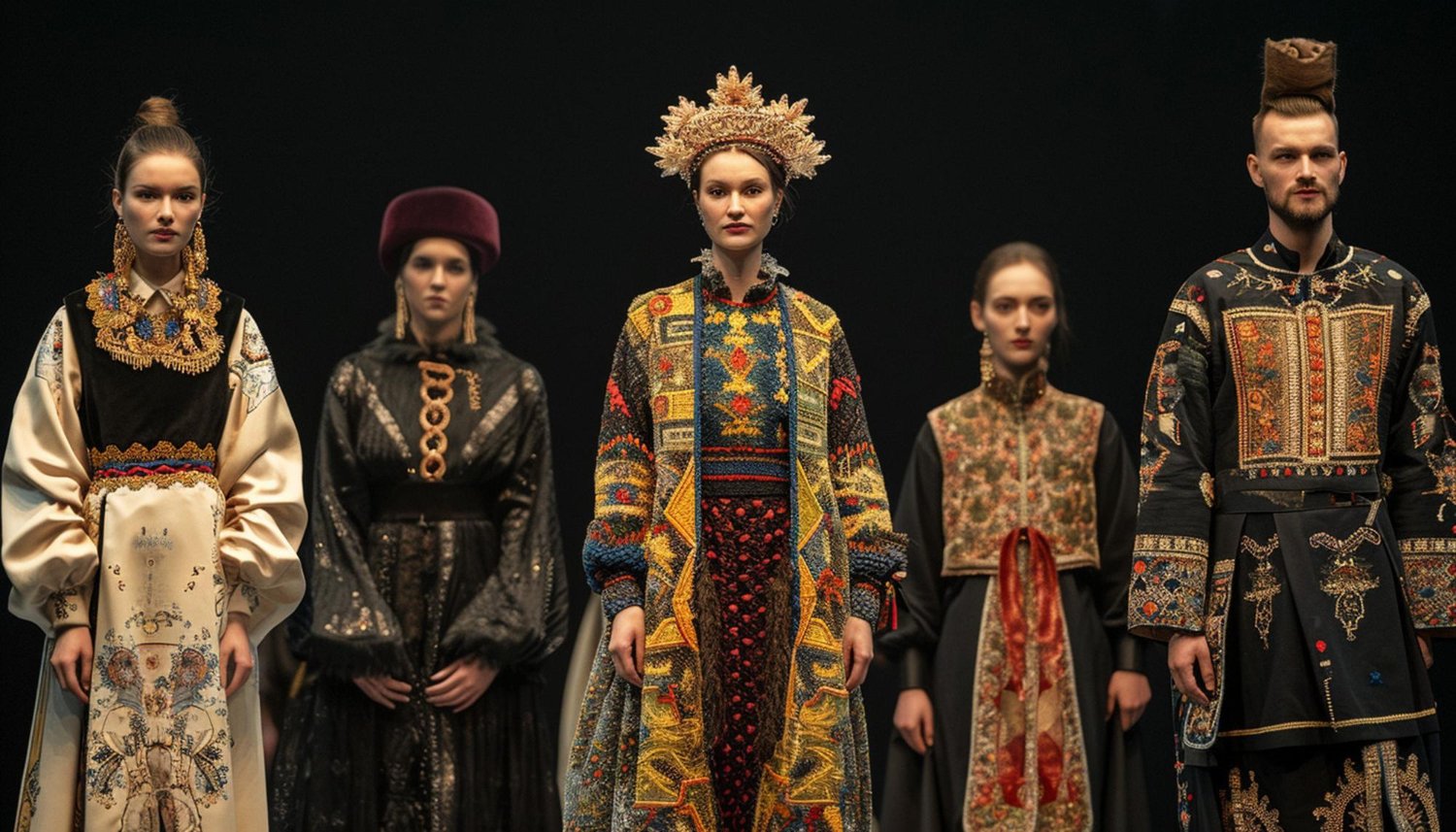
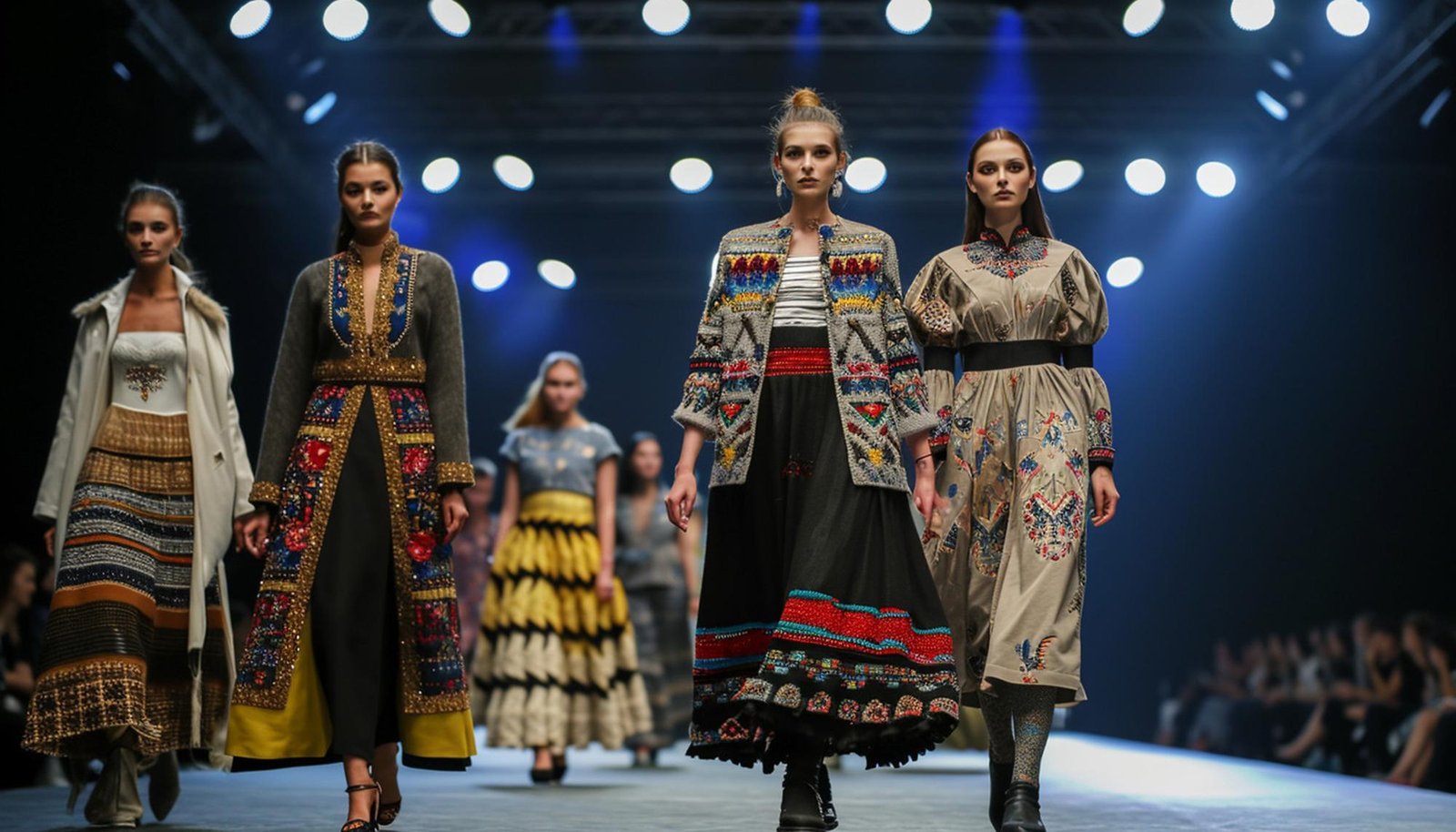
Fashion houses use crowns, coats of arms, and references to royal warrant holders in their branding. The language of luxury still borrows from monarchy—we speak of “regal” styles, “queenly” bearing, and “princely” prices. High fashion runways regularly reference historical royal garments, reinterpreting them for modern audiences.
The association between European royalty and luxury remains so strong that brands pay substantial sums to secure real royal endorsements. When a member of a current royal family wears a designer’s piece, the “Kate effect” or “Meghan effect” can cause items to sell out within hours.
Red carpet events have inherited the display function once served by court presentations. Celebrities wear loaned haute couture pieces worth hundreds of thousands of dollars, continuing the tradition of using clothing to signal status and capture attention. The similarities between royal portrait paintings and modern celebrity photography reveal deep continuities in how we visualize prestige.
Museums dedicated to fashion history draw massive crowds to exhibitions of royal garments. The Met Gala’s 2018 theme, “Heavenly Bodies: Fashion and the Catholic Imagination,” explored the connections between religious vestments, royal regalia, and contemporary design, demonstrating ongoing fascination with these historical relationships.
Heritage luxury brands particularly benefit from documented connections to royal patronage. Burberry, Hermès, and Cartier all maintain their royal warrant histories as central elements of brand identity. These connections to monarchy function as ultimate authenticity markers in an industry increasingly challenged by new entrants and changing consumer values.
Preserving Heritage, Powering the Future
The intersection of royal history and fashion creates unique challenges for luxury heritage brands. Historical archives contain invaluable assets—original sketches, correspondence, fabric samples, and documentation of royal commissions that tell the stories behind iconic pieces.
Managing these archives requires specialized expertise that bridges conservation, curation, and financial strategy. FinanceCore AI helps luxury brands unlock value from their historical holdings while preserving their cultural significance. Our platform enables brands to catalog archival materials, assess their investment potential, and develop strategic approaches to heritage management.
Whether you’re managing a fashion house with royal warrants dating back centuries or a luxury brand building on historical craftsmanship traditions, understanding the financial and strategic value of your archives is essential. Discover how FinanceCore AI transforms historical assets into competitive advantages for today’s luxury market.
Learn more about FinanceCore AI’s solutions for luxury heritage brands