

State of the Union 2026: Key Highlights, Analysis, and Political Impact
The 2026 State of the Union address arrives at a pivotal moment. With midterm elections on the horizon and a nation grappling with economic uncertainty, shifting global alliances, and a

The 2026 State of the Union address arrives at a pivotal moment. With midterm elections on the horizon and a nation grappling with economic uncertainty, shifting global alliances, and a rapidly changing climate, this year’s speech carries exceptional weight.
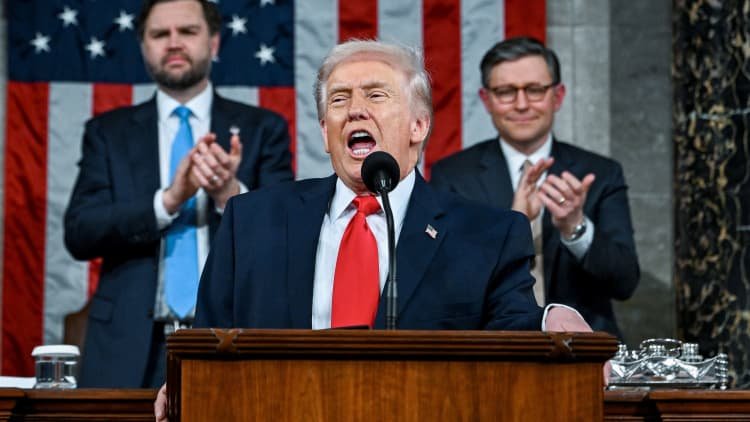
Delivered before a joint session of Congress, the address outlined ambitious policy proposals across nearly every major issue facing the country. From bold fiscal reforms to sweeping environmental mandates, the administration laid out a vision that has already sparked fierce debate on both sides of the aisle.
But what do these proposals actually mean for everyday Americans? And how will they shape the political landscape leading into November?
This analysis breaks down the key policy announcements, examines their feasibility, and explores the potential political fallout as the midterm race heats up.
Economic Policy Analysis: New Fiscal Proposals and Inflation Management
The administration’s economic agenda took center stage, with several major announcements designed to address persistent inflation and bolster job growth.
Tackling Inflation Through Targeted Spending Cuts
The President proposed a series of targeted spending reductions aimed at cooling inflationary pressures without triggering a recession. These cuts focus primarily on administrative overhead within federal agencies, with the goal of trimming $85 billion from the budget over the next two fiscal years.
Critics argue this approach lacks the scale needed to meaningfully impact inflation, while supporters contend it demonstrates fiscal responsibility without sacrificing essential services.
Tax Reform and Middle-Class Relief
A cornerstone of the economic proposals involves expanding tax credits for middle-income families. The plan includes raising the standard deduction by 15% and introducing new credits for childcare expenses and vocational training.
These measures are projected to put an additional $1,200 annually into the pockets of the average American household. However, the plan hinges on closing corporate tax loopholes—a move that has already drawn pushback from business lobbies.
Job Market Outlook and Workforce Development
The address emphasized apprenticeship programs and partnerships with community colleges to address skills gaps in manufacturing, healthcare, and renewable energy sectors. The administration committed $12 billion over three years to these initiatives, with a stated goal of creating 500,000 new jobs in high-demand fields.
Early reactions suggest bipartisan interest in workforce development, though disagreements persist over implementation and oversight.
Healthcare and Social Reform: Proposed Changes to Public Health Initiatives
Healthcare reform featured prominently, with proposals aimed at expanding access while controlling costs.
Prescription Drug Pricing and Medicare Expansion
The President called for capping out-of-pocket prescription costs at $2,000 annually for Medicare recipients and allowing the government to negotiate prices for an additional 50 medications. This builds on previous reforms but goes further in scope.
Pharmaceutical industry representatives have already signaled opposition, warning that price controls could stifle innovation. Patient advocacy groups, meanwhile, celebrated the proposal as long overdue.
Mental Health and Addiction Services
Recognizing the ongoing mental health crisis, the administration proposed dedicating $8 billion to expand community mental health centers and substance abuse treatment facilities. The plan also includes parity enforcement measures to ensure insurers cover mental health services at the same level as physical health care.
This initiative has garnered support across party lines, though questions remain about funding mechanisms and state-level implementation.
Social Safety Net Adjustments
Modest expansions to the Supplemental Nutrition Assistance Program (SNAP) and the Earned Income Tax Credit were proposed, targeting families with children and seniors living on fixed incomes. The changes aim to adjust benefits for inflation while tightening eligibility verification to reduce fraud.
Climate and Energy Goals: Green Mandates and Environmental Policy Shifts
Environmental policy emerged as one of the most ambitious—and contentious—areas of the address.
Renewable Energy Mandates for 2030
The administration set a target of generating 60% of the nation’s electricity from renewable sources by 2030. To achieve this, the plan allocates $25 billion in grants and tax incentives for solar, wind, and geothermal projects, with additional support for grid modernization.
Energy companies have responded with mixed reactions. Renewable developers applaud the commitment, while traditional energy producers express concern about the pace of transition and potential job losses in fossil fuel sectors.
Carbon Pricing and Emissions Targets
A controversial carbon pricing mechanism was proposed, imposing fees on industries exceeding established emissions thresholds. Revenue generated would fund climate resilience projects in vulnerable communities and support workers transitioning out of carbon-intensive industries.
Environmental groups view this as a necessary step toward meeting international climate commitments. Industry coalitions argue it will raise costs for consumers and hurt competitiveness.
Infrastructure Investment in Resilience
The speech highlighted $15 billion earmarked for climate-resilient infrastructure, including flood defenses, wildfire prevention systems, and drought-resistant water management. These projects aim to protect communities most at risk from extreme weather events, which have increased in frequency and severity.
Foreign Policy and National Security: International Relations and Defense Priorities
The address devoted significant attention to America’s role on the global stage.
Strengthening International Alliances
The President reaffirmed commitments to NATO and announced plans to deepen economic partnerships with allies in the Indo-Pacific region. New trade agreements are in negotiation with several nations, aimed at reducing dependence on adversarial supply chains.
This pivot has drawn praise from foreign policy hawks but raises concerns among those wary of entangling alliances and trade deals that could impact domestic manufacturing.
Defense Spending and Modernization
A modest increase in defense spending was proposed, focused on cybersecurity capabilities, space defense systems, and upgrading aging equipment. The plan avoids large-scale troop expansions, instead emphasizing technological superiority and intelligence gathering.
Diplomatic Efforts and Conflict Resolution
The administration pledged renewed diplomatic engagement in several global hotspots, with special envoys tasked with de-escalation efforts. Humanitarian aid commitments were also increased, particularly for regions facing food insecurity and displacement crises.
Political Impact and Public Reaction: Assessing the Response
The immediate aftermath of the speech revealed predictable partisan divides, but also some surprising areas of potential compromise.
Congressional Response Across the Aisle
Opposition leaders criticized the spending proposals as fiscally irresponsible, particularly given existing debt levels. They called for more aggressive deficit reduction and questioned the feasibility of achieving climate targets without harming economic growth.
Moderate members of both parties expressed openness to elements of the healthcare and workforce development plans, suggesting possible avenues for bipartisan legislation.
Early Polling Data and Public Sentiment
Initial polling shows a divided public. Approximately 52% of respondents approved of the overall address, with higher support for healthcare reforms and workforce initiatives. Climate policies generated more polarized responses, with enthusiasm among younger voters but skepticism among older demographics and those in energy-dependent regions.
Economic proposals received cautious support, with many Americans indicating they want to see concrete results before fully endorsing the approach.
Media Analysis and Expert Commentary
Political analysts note that the speech struck a careful balance between ambitious vision and practical governance. Some commentators praised the specificity of proposals, while others questioned whether the administration has the political capital to enact such a broad agenda in a closely divided Congress.
What This Means for the 2026 Midterms
The State of the Union address has set the stage for what promises to be a fiercely contested midterm election cycle.
The administration’s ability to deliver on even a portion of these promises will likely determine the outcome in key swing districts. Economic indicators, particularly inflation rates and job growth over the coming months, will serve as a referendum on the effectiveness of proposed policies.
Opposition parties are already framing the election as a choice between fiscal discipline and unchecked spending. Meanwhile, the administration is betting that voters will reward bold action on issues like healthcare, climate, and economic fairness.
Turnout will be critical. The proposals on climate and social reform may energize younger voters and progressives, while economic anxiety could drive higher participation among suburban and working-class constituencies who feel left behind by recent policy shifts.
Stay Informed as the Political Landscape Evolves
The 2026 State of the Union marks the beginning of an intense political season. As legislation moves through Congress and campaign rhetoric intensifies, staying informed has never been more important.
Subscribe to our newsletter for in-depth analysis, expert commentary, and breaking updates on the policies and politics shaping the nation. We deliver nonpartisan, data-driven insights directly to your inbox, helping you cut through the noise and understand what really matters.
Don’t just watch history unfold—understand it.