

The 1960s Fashion Revolution: Freedom & Youth Culture
The 1950s were defined by structure—cinched waists, polished silhouettes, and an unspoken dress code that prioritized propriety over personality. But as the calendar flipped to 1960, something shifted. Hemlines rose.

The 1950s were defined by structure—cinched waists, polished silhouettes, and an unspoken dress code that prioritized propriety over personality. But as the calendar flipped to 1960, something shifted. Hemlines rose. Colors exploded. Rules were questioned, then discarded altogether.
The 1960s didn’t just change fashion—it transformed who got to decide what fashion was. For the first time, young people became the tastemakers. They rejected the buttoned-up formality of their parents’ generation and embraced bold experimentation, political expression, and a new sense of freedom. From London’s Carnaby Street to San Francisco’s Haight-Ashbury, fashion became a language of rebellion, identity, and change.
This wasn’t a gradual evolution. It was a revolution—one that redefined not only what people wore, but why they wore it. And its ripples are still felt on runways and sidewalks around the world.
The Rise of Youth Culture
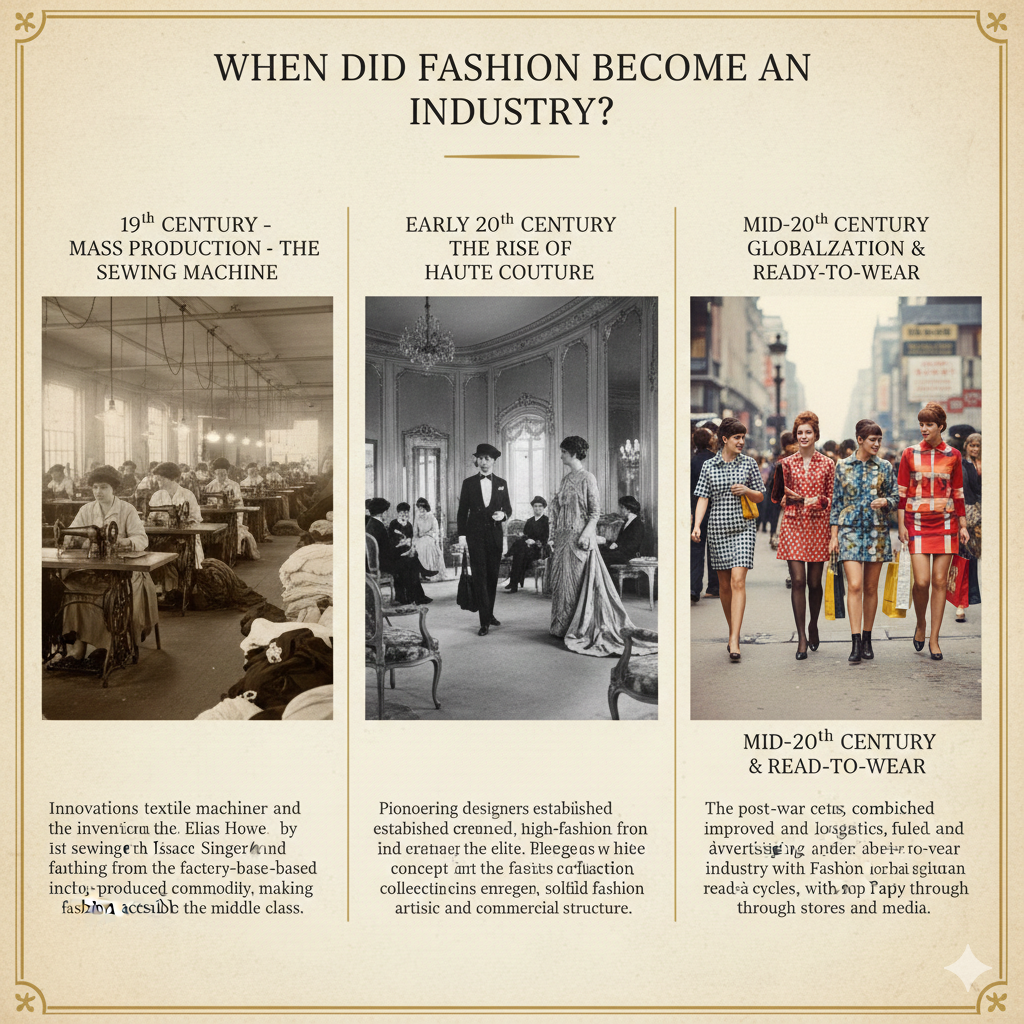
Before the 1960s, fashion trickled down from the elite. Designers in Paris set the trends, department stores sold them, and young people followed along. But the postwar baby boom created a demographic shift that upended this hierarchy. By the early ’60s, teenagers and young adults had more spending power than ever before—and they wanted something different.
This generation didn’t want to dress like their parents. They wanted clothing that reflected their energy, their music, and their desire to break free from tradition. The fashion industry took notice. Suddenly, youth culture wasn’t just a niche market—it was the market.
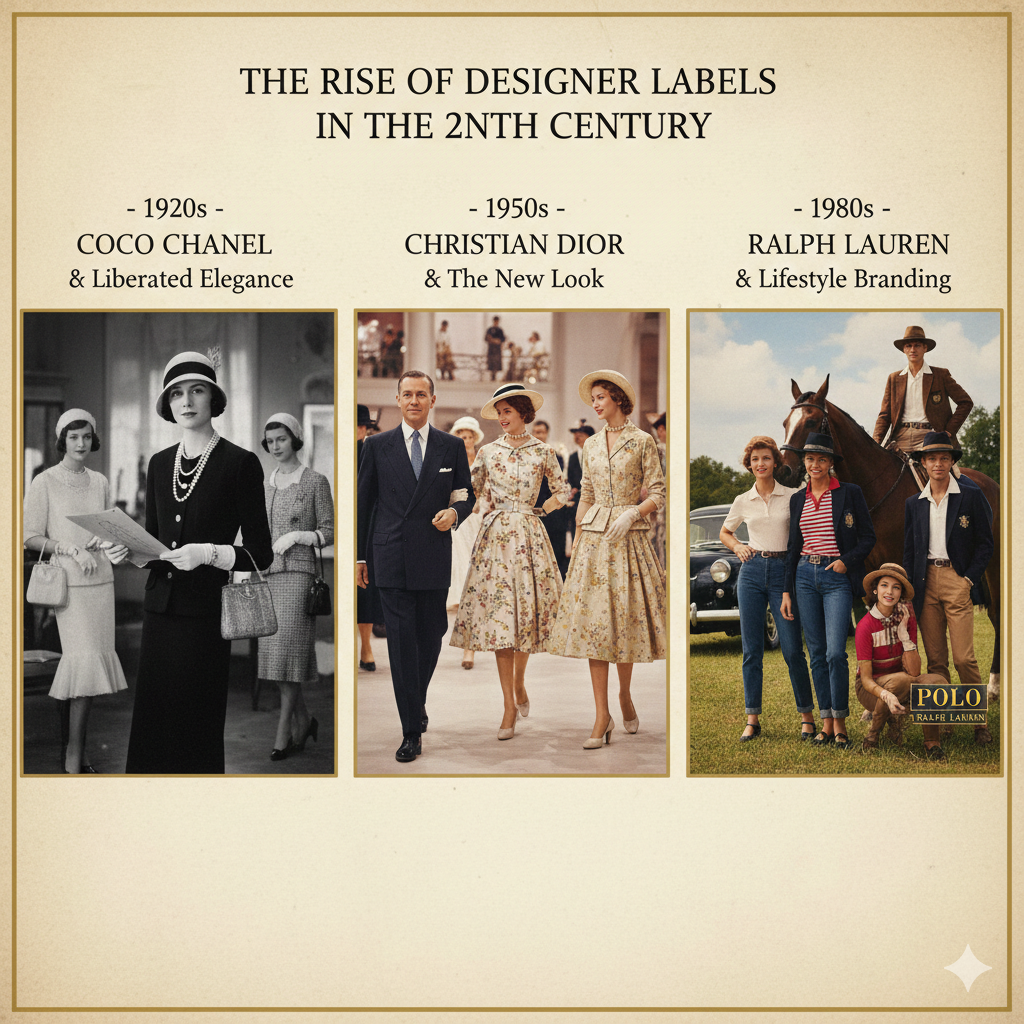
Designers began targeting younger consumers with affordable, ready-to-wear pieces that prioritized fun over formality. Boutiques popped up in urban centers, selling mod dresses, vinyl boots, and geometric prints. For the first time, fashion was accessible, fast-moving, and unapologetically youthful.
The shift was seismic. Fashion was no longer about imitating the upper class—it was about expressing individuality. And young people seized that opportunity with both hands.
Key Trends That Defined the Era
The Miniskirt
No single garment symbolizes the 1960s quite like the miniskirt. Designed by British designer Mary Quant in the mid-’60s, the miniskirt was a radical departure from the knee-length hemlines that had dominated previous decades. It was playful, daring, and liberating—and it became an instant icon.
Women embraced the miniskirt not just because it was fashionable, but because it represented autonomy. Wearing one was a choice, a statement, and sometimes an act of defiance. Paired with go-go boots and colorful tights, the miniskirt became the uniform of the Swinging Sixties.
Mod Fashion
Mod fashion emerged from London’s youth subculture and quickly spread across the globe. Rooted in modernism and influenced by jazz and R&B music, the mod look was sleek, sharp, and effortlessly cool. Think tailored blazers, slim-cut trousers, shift dresses, and bold black-and-white patterns.
Mod style wasn’t just about clothing—it was a lifestyle. Mods frequented coffee shops, rode scooters, and embraced a clean, minimalist aesthetic that felt futuristic. The look was polished but rebellious, understated yet unmistakable.
British Pop Culture
The British Invasion didn’t just bring The Beatles and The Rolling Stones to America—it brought a whole new fashion sensibility. British bands dominated the charts, and their style influenced millions. Suddenly, everyone wanted Chelsea boots, collarless jackets, and mop-top haircuts.
Icons like Twiggy, the supermodel with the pixie cut and doe eyes, became global fashion ambassadors. Her androgynous look challenged traditional beauty standards and inspired a generation to experiment with gender expression through clothing.
British pop culture made London the fashion capital of the world, and its influence was undeniable. What started in Chelsea and Soho quickly spread to Paris, New York, and beyond.
Social Movements and Style
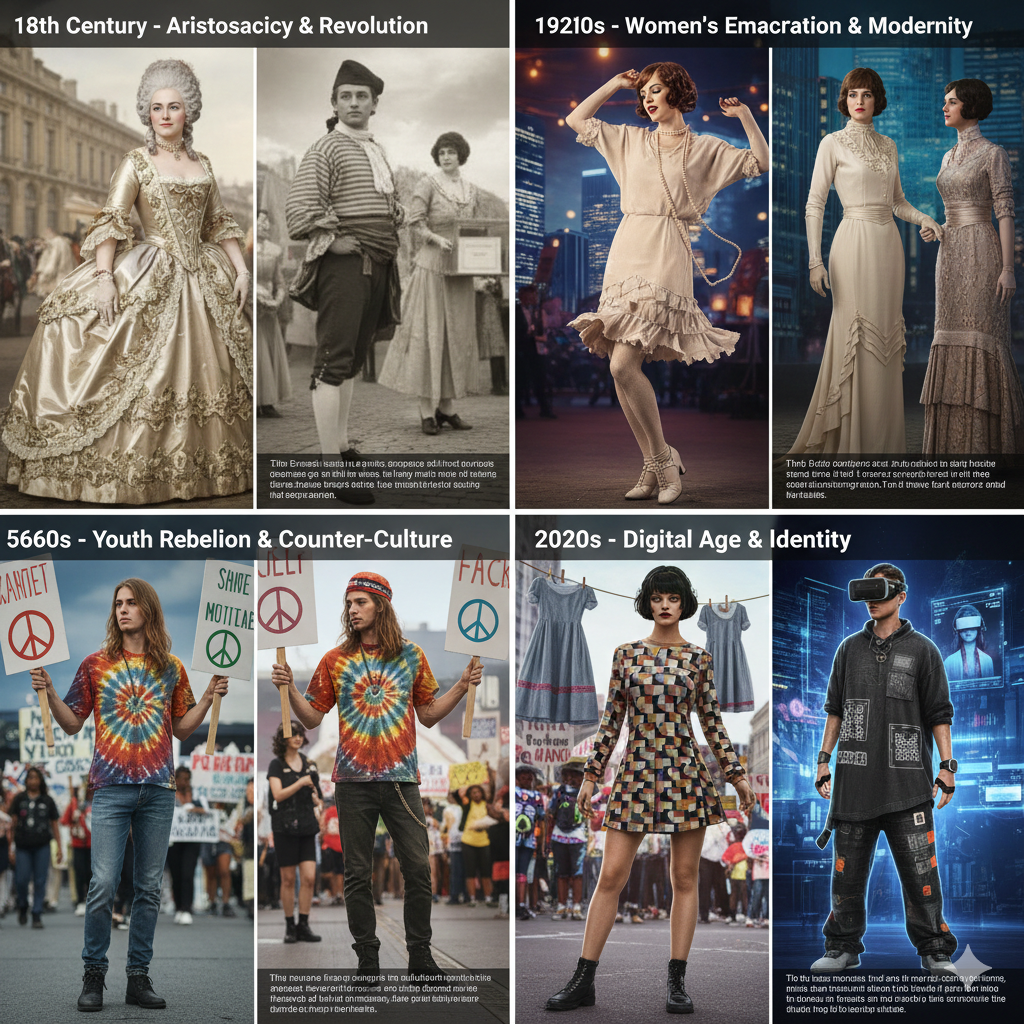
Fashion in the 1960s wasn’t created in a vacuum. It was shaped by the social and political upheaval of the era—civil rights marches, anti-war protests, feminist movements, and calls for greater equality. Clothing became a form of activism, a way to signal solidarity and challenge the status quo.
The Civil Rights Movement
The civil rights movement profoundly influenced fashion, particularly among Black Americans. The Afro hairstyle became a symbol of pride and resistance, rejecting Eurocentric beauty standards that had long dominated mainstream culture. Dashikis, kente cloth, and African-inspired prints celebrated Black heritage and identity.
Fashion became a tool for empowerment. Wearing traditional African garments or natural hair wasn’t just a style choice—it was a political statement. This reclamation of cultural identity through dress had a lasting impact on fashion and paved the way for future generations to celebrate their roots.
Anti-War Protests
As opposition to the Vietnam War grew, so did a distinctive anti-establishment aesthetic. Protesters wore military jackets, peace sign patches, and tie-dye shirts as a form of visual dissent. The message was clear: they rejected the values of the older generation and demanded change.
This countercultural style was intentionally scruffy and unpolished. It rejected the clean-cut mod look in favor of something more raw and authentic. Jeans, peasant blouses, and fringe jackets became the uniform of the anti-war movement, symbolizing a return to simplicity and a rejection of materialism.
Feminist Fashion
The women’s liberation movement also left its mark on fashion. Women began wearing pantsuits—a radical move at a time when many workplaces still required skirts. Designers like Yves Saint Laurent introduced “Le Smoking,” a tuxedo-inspired suit for women that challenged traditional gender norms.
Wearing pants wasn’t just practical—it was political. It signaled that women deserved the same freedoms and opportunities as men, both in the workplace and beyond. Fashion became a battleground for equality, and women used it to demand respect and recognition.
Late 60s Transformation: The Hippie Movement
By the late 1960s, the energy of the decade shifted once again. The polished mod aesthetic gave way to something looser, more organic, and deeply influenced by the counterculture. The hippie movement emerged, bringing with it a fashion philosophy rooted in peace, love, and individuality.
Hippie style was eclectic and free-spirited. Flowing maxi skirts, bell-bottom jeans, peasant tops, and fringe vests became wardrobe staples. Tie-dye, batik, and hand-embroidered details added a handmade, artisanal quality to clothing. Accessories like flower crowns, beaded necklaces, and round sunglasses completed the look.
This wasn’t just fashion—it was a lifestyle. Hippies rejected consumerism and embraced self-expression, often creating or customizing their own clothing. They drew inspiration from global cultures, incorporating Indian kurtas, Moroccan caftans, and Native American jewelry into their wardrobes.
Psychedelic prints and bold, saturated colors dominated the visual landscape. Influenced by the era’s experimentation with consciousness and art, fashion became more surreal and expressive. The boundaries between clothing and art blurred, resulting in garments that felt like wearable manifestations of the ’60s ethos.
The music festivals of the late ’60s—most notably Woodstock in 1969—solidified the hippie aesthetic in popular culture. Images of festival-goers dancing in mud-splattered bell-bottoms and crochet vests became iconic, representing a generation that chose freedom over conformity.
Legacy: How the 1960s Revolution Continues to Influence Fashion
The 1960s didn’t just leave behind a collection of trends—it fundamentally changed the way we think about fashion. The decade proved that clothing could be a form of self-expression, a political statement, and a reflection of cultural identity.
Modern streetwear owes a debt to the ’60s. The emphasis on youth culture, individuality, and breaking rules laid the groundwork for today’s fashion landscape. Brands like Supreme, Off-White, and Stüssy thrive on the same rebellious energy that defined the ’60s mod and hippie movements.
Luxury designers continue to reference the era in their collections. Gucci’s Alessandro Michele has drawn heavily from ’60s and ’70s aesthetics, blending vintage silhouettes with contemporary design. Saint Laurent, Prada, and Dior have all revisited mod cuts, psychedelic prints, and bold colors in recent runway shows.
The miniskirt never went away. Neither did bell-bottoms, tie-dye, or oversized sunglasses. These pieces cycle in and out of fashion, but their roots remain firmly planted in the 1960s. Each time they reappear, they carry with them the spirit of that revolutionary decade—a spirit that values freedom, creativity, and courage.
Perhaps most importantly, the 1960s taught us that fashion is personal. It’s not dictated by distant elites or rigid rules. It’s shaped by the people who wear it, the cultures they come from, and the movements they believe in. That lesson continues to resonate, reminding us that what we wear matters—not because it’s trendy, but because it’s ours.
Celebrate the Revolution
The 1960s fashion revolution was about more than hemlines and hairstyles. It was about reclaiming identity, challenging norms, and celebrating individuality. It was a decade that proved fashion could be bold, political, and deeply personal—all at once.
Do you have a favorite ’60s-inspired look? Maybe it’s a vintage miniskirt tucked away in your closet, or a pair of bell-bottoms you can’t bring yourself to part with. We’d love to hear about it. Share your favorite vintage pieces with us on social media, or sign up for our style newsletter to get more inspiration, fashion history, and trend breakdowns delivered straight to your inbox.
Because the revolution never really ended—it just keeps evolving.