
The Evolution of Fashion from 1900 to 2026
Fashion does more than clothe us. It speaks volumes about who we are, what we value, and the times we live in. Every decade brings its own trends, influenced by

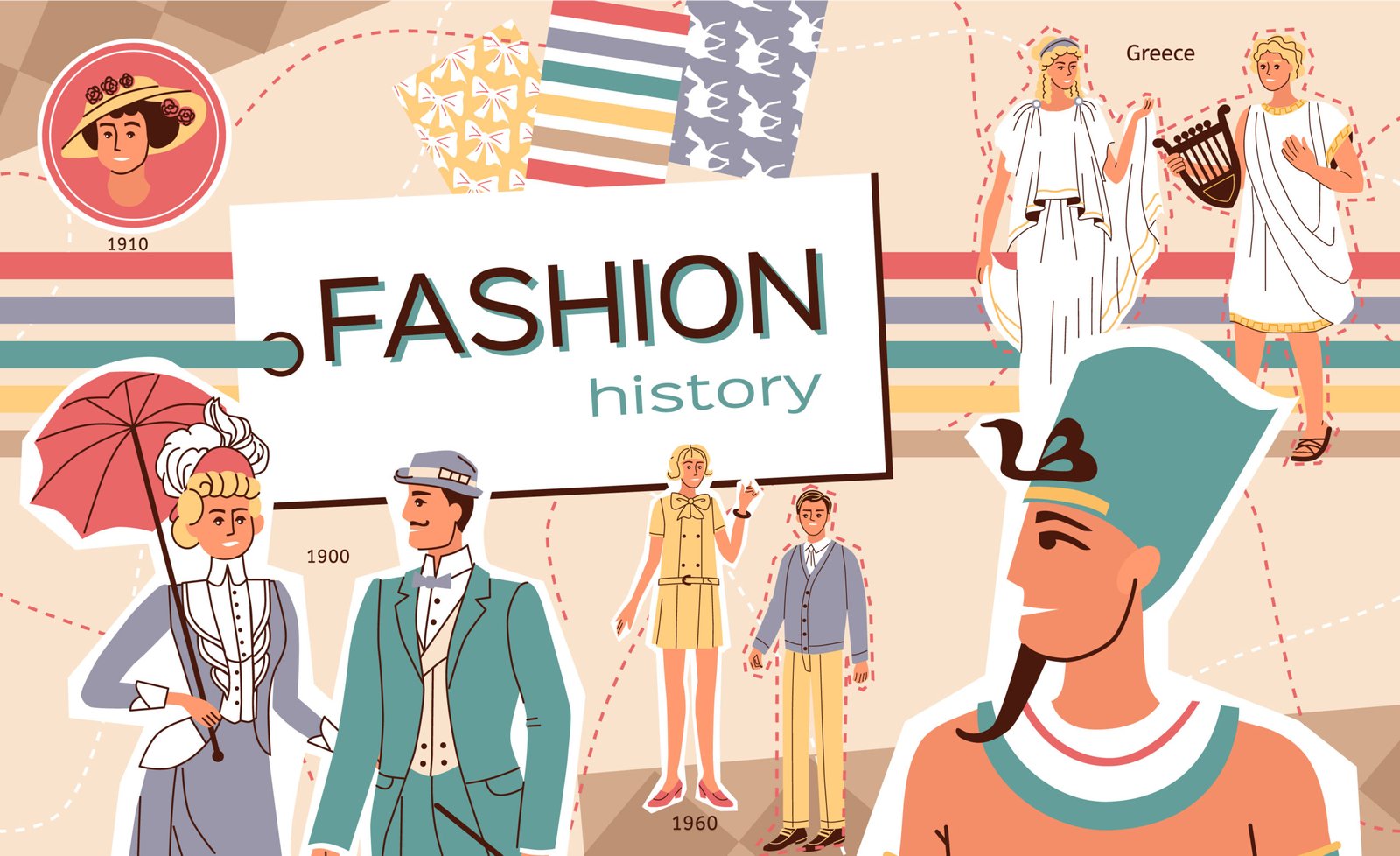
Fashion does more than clothe us. It speaks volumes about who we are, what we value, and the times we live in. Every decade brings its own trends, influenced by politics, technology, economics, and social movements. From the corseted silhouettes of the early 1900s to the AI-designed garments of today, fashion has continuously reinvented itself.
This post traces the evolution of fashion from 1900 to 2026, exploring how each era shaped what we wear and why. You’ll discover the key trends that defined each period, the cultural forces behind them, and what the future might hold for the industry.
1900-1920: From Edwardian Elegance to the Functional Shift of WWI
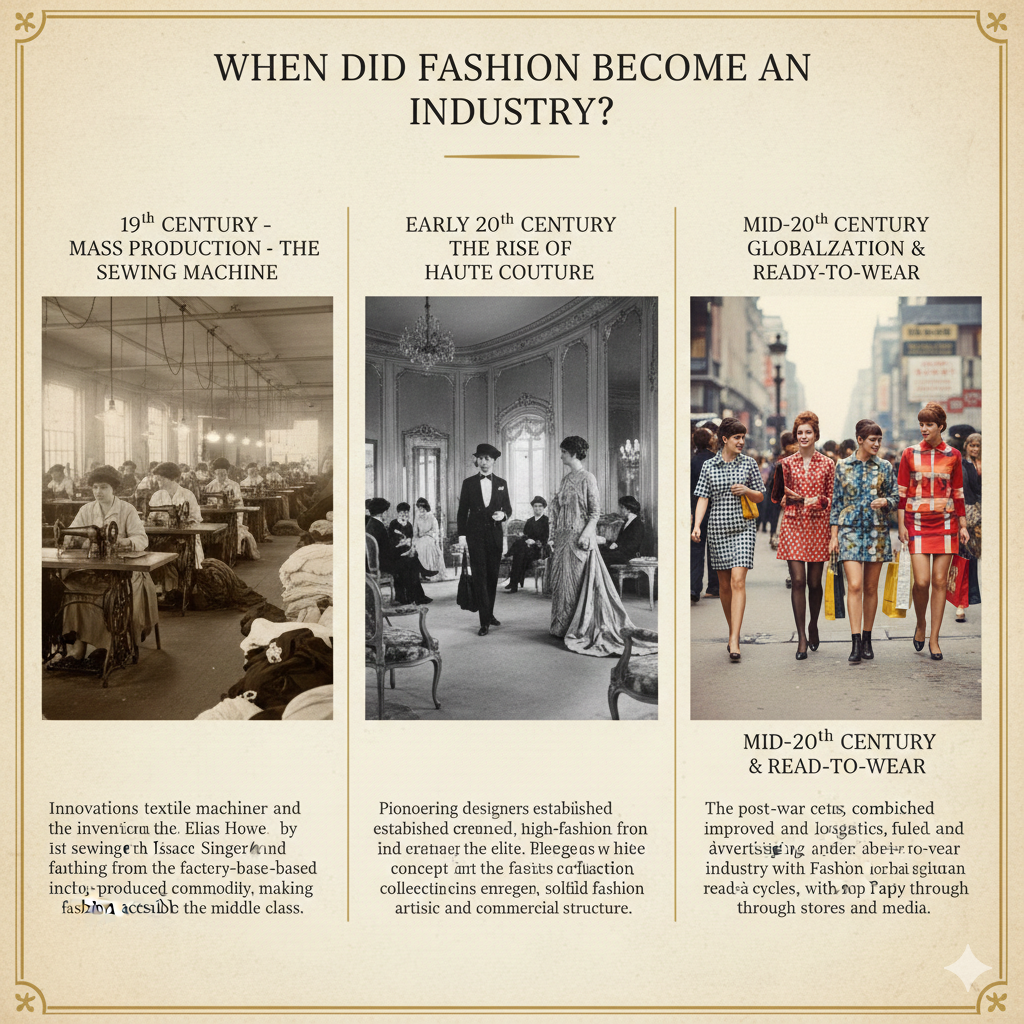
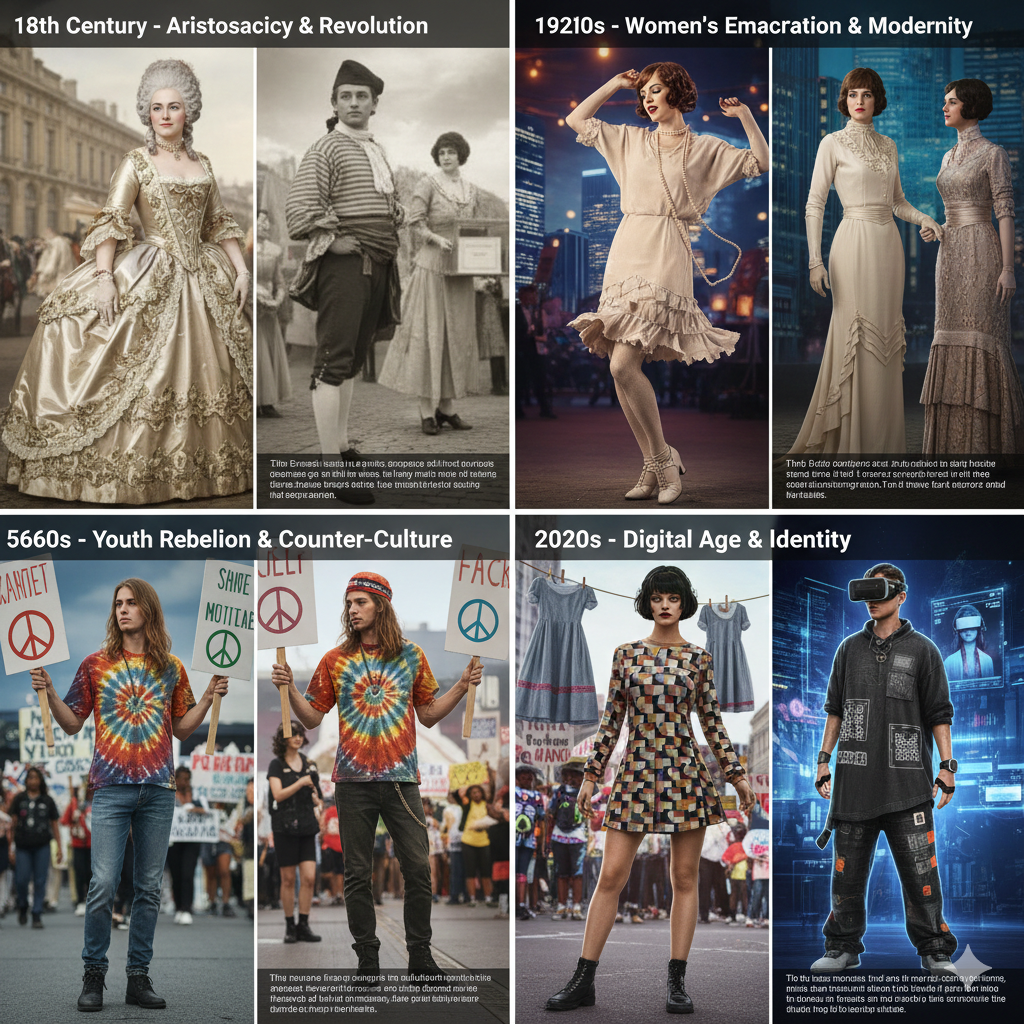
The early 1900s were defined by Edwardian elegance. Women wore elaborate gowns with floor-length skirts, high necklines, and corsets that created the iconic “S-bend” silhouette. Lace, embroidery, and delicate fabrics like silk were staples. Men donned three-piece suits, top hats, and formal tailcoats.
Then came World War I, and everything changed. With women entering the workforce in unprecedented numbers, practicality became essential. Hemlines rose, corsets loosened, and simpler, more functional clothing emerged. The war marked a turning point—fashion could no longer prioritize appearance over movement and utility.
By 1920, the groundwork was laid for a revolution in women’s fashion. The rigid Victorian ideals were crumbling, making way for a new era of freedom and experimentation.
1920-1940: The Flapper Era and the Impact of the Great Depression
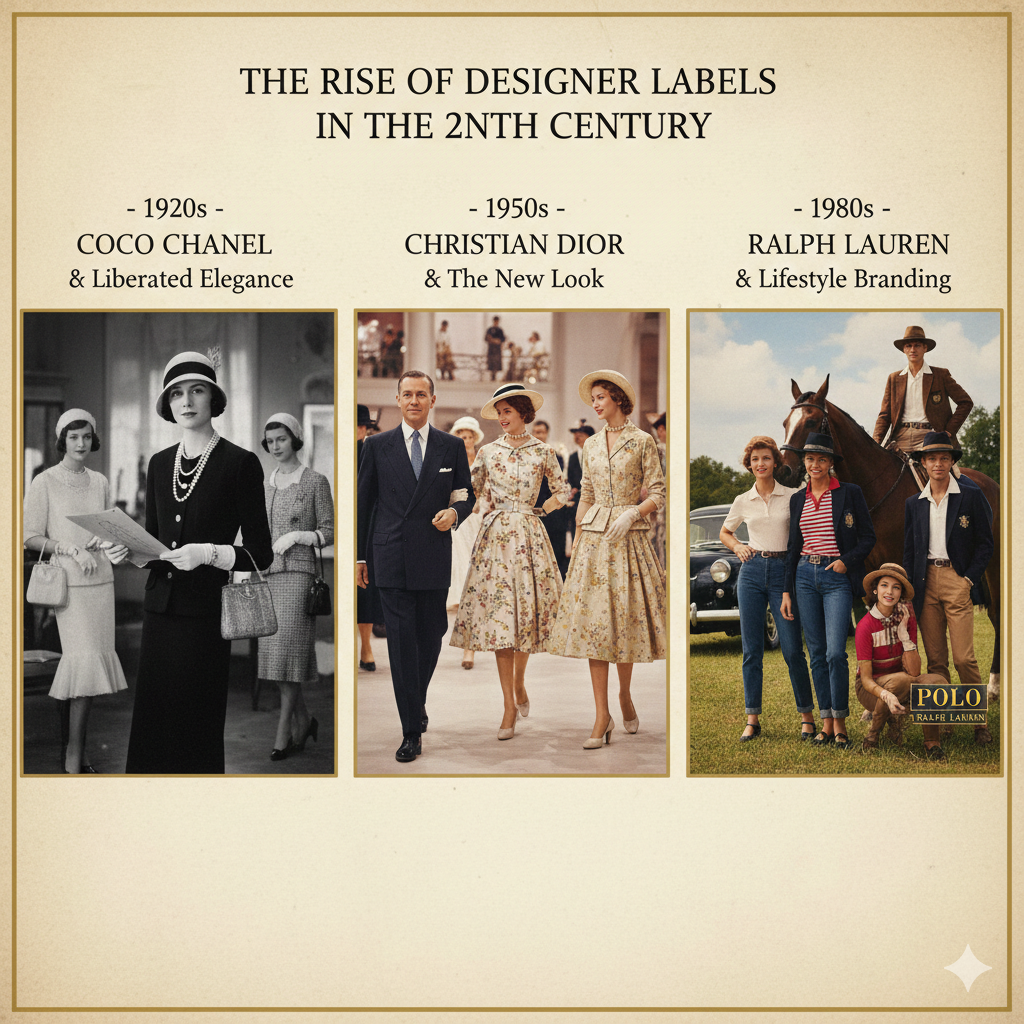
The Roaring Twenties brought the flapper—a bold, liberated woman who defied convention. Hemlines soared to knee-length, waistlines dropped, and embellishments like fringe and sequins became popular. The silhouette was boyish and straight, a stark contrast to the curves of previous decades. Coco Chanel revolutionized women’s fashion with her relaxed, comfortable designs, including the iconic little black dress.
Men’s fashion also evolved. The three-piece suit remained standard, but styles became more relaxed. Jazz culture influenced fashion, with wider trousers and softer fabrics gaining popularity.
The 1930s saw the Great Depression bring austerity to fashion. Hemlines dropped again, and clothing became more conservative and affordable. Bias-cut dresses, popularized by designer Madeleine Vionnet, created elegant, figure-hugging silhouettes using minimal fabric. Hollywood glamour offered escapism, with stars like Greta Garbo and Marlene Dietrich influencing mainstream style.
1940-1960: Wartime Utility and the Glamour of the New Look
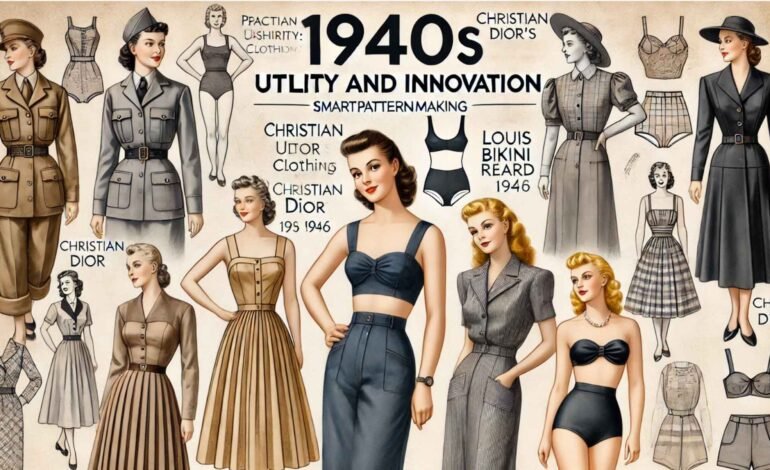
World War II imposed strict fabric rationing, leading to utility clothing. Women’s suits featured padded shoulders and shorter skirts to conserve material. Practicality was paramount, but women still found ways to express style through accessories and creative tailoring.
Post-war, Christian Dior’s 1947 “New Look” brought back femininity with full skirts, cinched waists, and soft shoulders. It was a dramatic departure from wartime austerity and symbolized hope and renewal. Fashion became aspirational again.
The 1950s embraced this glamour. Women wore full skirts, petticoats, cardigans, and pearls. Icons like Audrey Hepburn and Marilyn Monroe defined the era’s aesthetic. Men’s fashion became more casual, with the rise of denim jeans and leather jackets, popularized by rebels like James Dean and Marlon Brando.
1960-1980: The Youth Revolution, Mod Style, and the Disco Era
The 1960s belonged to youth culture. The mod movement in London introduced bold geometric patterns, miniskirts, and shift dresses. Designer Mary Quant made the miniskirt mainstream, while André Courrèges brought futuristic fashion with his space-age designs.
The late 1960s saw the rise of hippie fashion, embracing bohemian styles, tie-dye, bell-bottoms, and ethnic prints. This was fashion as rebellion—a rejection of conformity and materialism.
The 1970s continued this eclectic spirit. Disco culture brought glitter, platform shoes, jumpsuits, and bold colors. Punk emerged as a counter-movement, with ripped clothing, safety pins, and anti-establishment attitudes. Designers like Vivienne Westwood and Malcolm McLaren turned punk into high fashion.
Meanwhile, mainstream fashion saw the rise of polyester, wrap dresses (thanks to Diane von Fürstenberg), and wide-leg trousers. Fashion became more diverse, reflecting a society exploring new identities and freedoms.
1980-2000: Power Dressing, Grunge, and the Rise of Global Brands
The 1980s were all about excess. Power dressing dominated corporate culture, with women wearing oversized blazers with padded shoulders, bold colors, and statement jewelry. Designers like Giorgio Armani and Donna Karan defined this era of ambition and confidence.
Athletic wear became fashionable, with brands like Nike and Adidas crossing into mainstream style. Bright neon colors, leg warmers, and oversized silhouettes were everywhere, influenced by fitness culture and pop icons like Madonna and Prince.
The 1990s swung in the opposite direction. Grunge emerged from Seattle’s music scene, bringing ripped jeans, flannel shirts, and combat boots into fashion. It was anti-glamour, anti-establishment, and decidedly casual. Supermodels like Kate Moss embodied this “heroin chic” aesthetic.
Minimalism also gained traction, led by designers like Calvin Klein and Jil Sander. Clean lines, neutral colors, and understated elegance became desirable. Global brands expanded rapidly, and fashion became more accessible through mass production.
2000-2020: Fast Fashion, the Digital Influence, and Streetwear
The 2000s ushered in fast fashion. Brands like Zara, H&M, and Forever 21 made trendy clothing affordable and accessible, but at a significant environmental cost. Consumers could now update their wardrobes constantly, following trends that changed every season.
The rise of the internet and social media transformed fashion. Bloggers and influencers became tastemakers, democratizing style in ways traditional media never could. Platforms like Instagram turned everyday people into fashion icons.
Streetwear exploded in popularity, driven by brands like Supreme, Off-White, and collaborations between luxury houses and sneaker companies. Athleisure blurred the lines between athletic wear and everyday clothing, with leggings and hoodies becoming wardrobe staples.
By the late 2010s, awareness of fashion’s environmental impact grew. Consumers began demanding transparency and sustainability from brands. Vintage and secondhand shopping gained momentum as alternatives to fast fashion.
2020-2026: Sustainability, Virtual Fashion, and AI-Driven Design
The 2020s have brought seismic shifts. The COVID-19 pandemic accelerated the trend toward comfort and practicality. Loungewear and work-from-home fashion dominated, with sweatpants and comfortable pieces becoming acceptable in professional settings.
Sustainability is no longer optional. Brands are adopting circular fashion models, using recycled materials, and reducing waste. Consumers increasingly prioritize ethical production and transparency. Vintage and rental fashion continue to grow as sustainable alternatives.
Technology is reshaping fashion in unprecedented ways. Virtual fashion and digital clothing are emerging, allowing people to dress their avatars in the metaverse or enhance their social media presence without physical garments. NFTs and blockchain are creating new ownership models.
AI is revolutionizing design, helping brands predict trends, personalize recommendations, and even generate new designs. 3D printing enables custom-fitted clothing and reduces material waste. The line between physical and digital fashion continues to blur.
Gender-neutral and inclusive fashion is gaining mainstream acceptance. Brands are moving away from binary categories, creating collections that prioritize self-expression over traditional norms.
What’s Next? Predicting the Future of Fashion
Fashion’s evolution shows us one constant truth: change is inevitable. As we look beyond 2026, several trends seem poised to shape the industry.
Sustainability will likely become the standard, not the exception. Biodegradable materials, lab-grown fabrics, and closed-loop production systems may dominate. The concept of “owning” clothing might evolve, with rental and subscription models becoming more common.
Technology will continue integrating with fashion. Smart textiles that adapt to temperature or monitor health could become everyday items. Virtual fashion may rival physical clothing in importance, especially as our digital lives expand.
Personalization will reach new heights. AI could enable truly bespoke clothing at scale, with garments designed specifically for individual body types, preferences, and lifestyles.
The next major shift might not be a specific style or trend but a fundamental reimagining of what fashion means—how it’s made, consumed, and valued in a world facing climate challenges and rapid technological change.
Explore More Style History
Fashion tells the story of humanity—our aspirations, struggles, and creativity. From the restrictive corsets of 1900 to the boundless possibilities of AI-designed garments, each era reflects its unique moment in history.
Want to dive deeper into style evolution and discover how past trends influence today’s fashion? Subscribe to our newsletter for exclusive content, historical deep dives, and insights into where fashion is heading next.