
How the 1920s Redefined Modern Fashion


The 1920s didn’t just change fashion—it fundamentally rewrote the rules. After the rigid corsets and floor-length skirts of the Victorian and Edwardian eras, the post-World War I generation craved something different. They wanted freedom, movement, and a style that reflected the seismic cultural shifts happening around them.
This decade gave us the flapper dress, the bob haircut, and a bold new attitude toward femininity. It introduced lighter fabrics, streamlined silhouettes, and a visual language borrowed from jazz clubs and Art Deco architecture. Hollywood amplified these trends, turning silent film stars into the world’s first fashion influencers.
Even today, designers continue to draw inspiration from this transformative era. The dropped waistlines, geometric patterns, and androgynous cuts that defined the 1920s still appear on runways and in retail collections. Understanding this decade means understanding the foundation of modern fashion itself.
The Birth of the Flapper: Breaking Traditional Silhouettes and Gender Norms
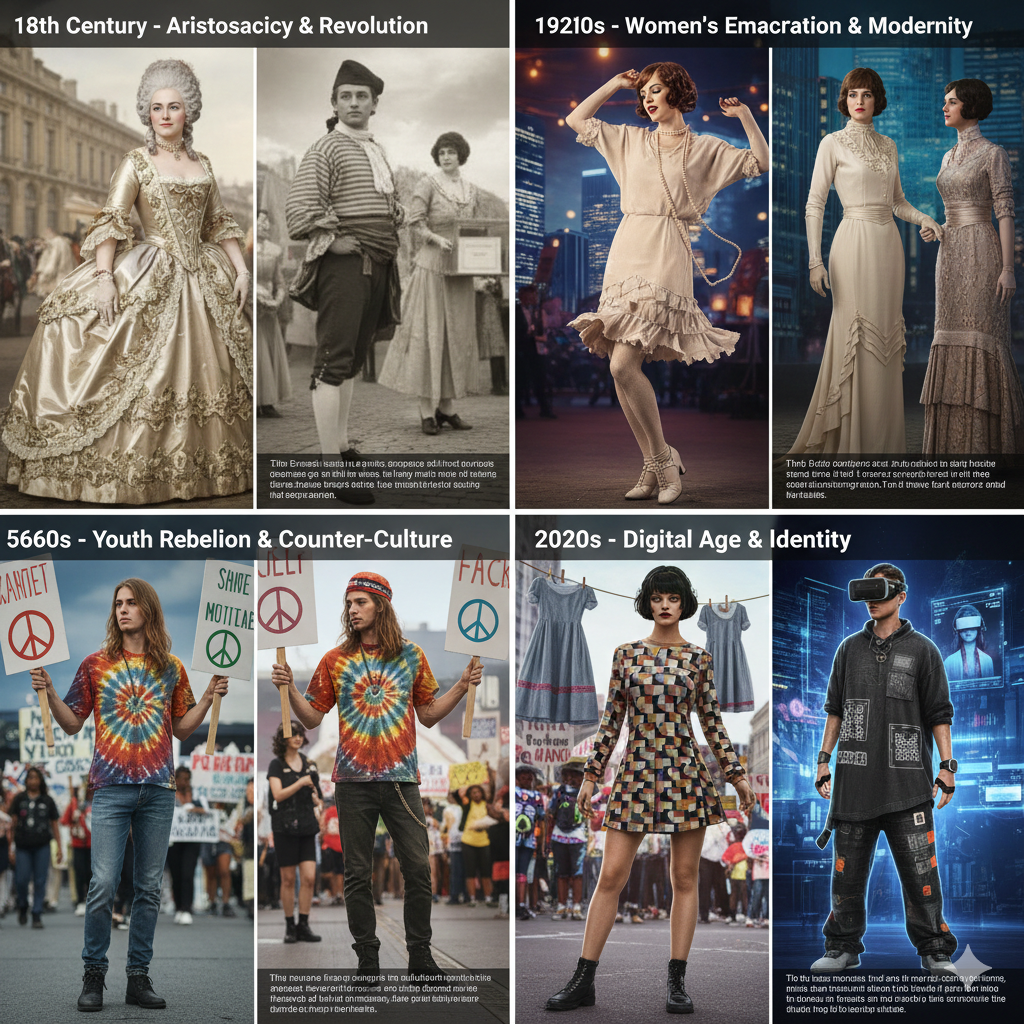
The flapper was more than a fashion trend—she was a statement. With her knee-length hemline, straight-cut dress, and cropped hair, she rejected everything her mother’s generation had worn. The flapper silhouette was deliberately simple: a loose, tubular shape that skimmed the body rather than cinching it.
This shift away from the hourglass figure was radical. For the first time, women’s clothing prioritized comfort and ease of movement over emphasizing curves. The dropped waistline—sitting at the hips rather than the natural waist—became the defining feature of 1920s fashion. It created a boyish, elongated look that challenged conventional ideas of femininity.
Flappers also embraced shorter hair. The bob cut, often worn sleek and close to the head, was a deliberate break from the long, elaborate hairstyles that had dominated previous decades. This wasn’t just about aesthetics. Cutting one’s hair short was an act of defiance, a visible rejection of traditional gender expectations.
The flapper’s wardrobe extended beyond daywear. Evening dresses featured beading, fringe, and sequins that moved with the wearer—perfect for the energetic dances that defined the era. These embellishments weren’t just decorative; they were designed to catch the light and create a sense of motion, reflecting the dynamic spirit of the time.
Fabric and Freedom: How the Shift to Lighter Materials Revolutionized Women’s Movement
The 1920s introduced a textile revolution that fundamentally changed how women dressed. Heavy brocades, stiff taffetas, and restrictive corsetry gave way to silk, chiffon, rayon, and jersey. These lighter fabrics allowed for a fluidity of movement that was previously unimaginable.
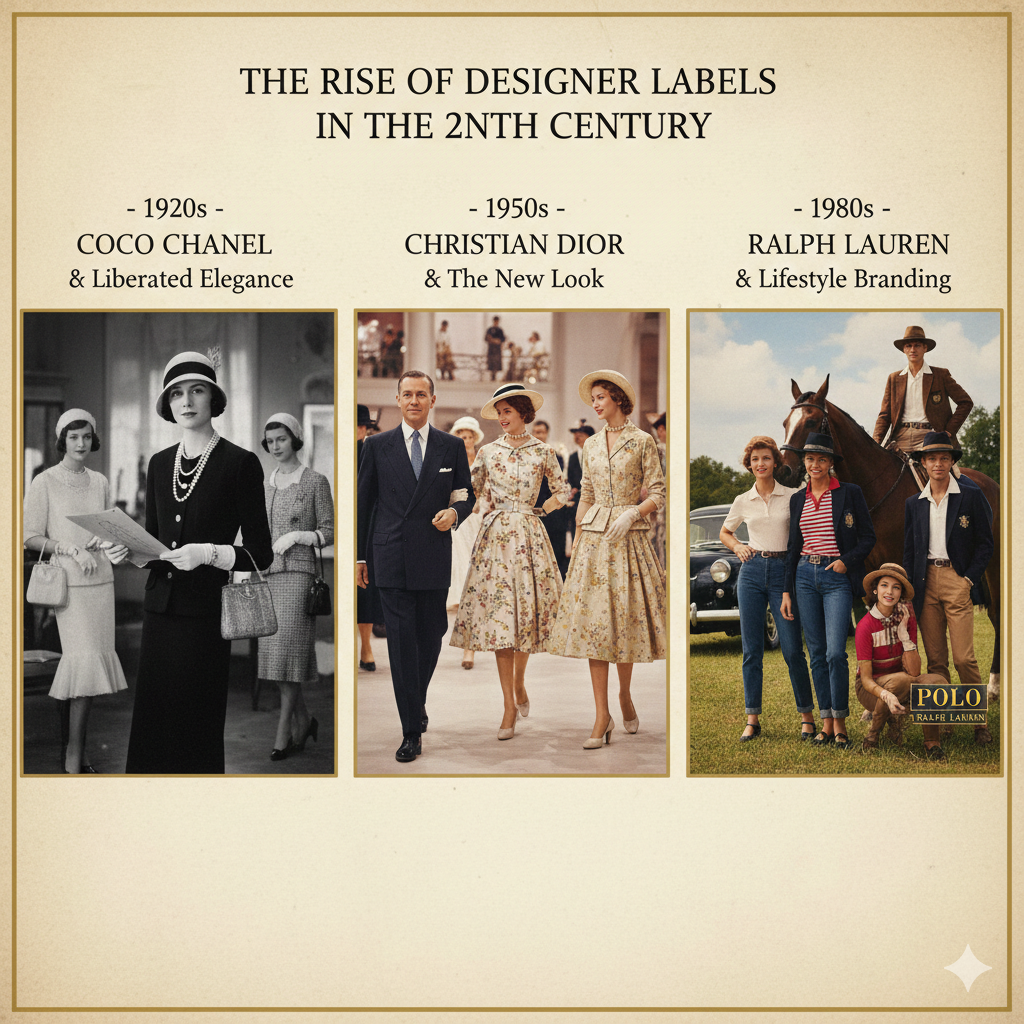
Coco Chanel played a pivotal role in this transformation. She championed jersey fabric—a material that had been traditionally used for men’s underwear—and turned it into high fashion. Jersey was soft, stretchy, and comfortable, allowing women to move freely without sacrificing style. Chanel’s designs were revolutionary in their simplicity, prioritizing function alongside form.
The shift to lighter materials also reflected broader social changes. Women were entering the workforce in greater numbers, participating in sports, and demanding practical clothing that could keep up with their active lifestyles. The restrictive garments of previous decades were simply incompatible with this new reality.
Rayon, a synthetic fabric that became widely available in the 1920s, offered an affordable alternative to silk. It had a similar drape and sheen but cost significantly less, making fashionable clothing accessible to a broader range of women. This democratization of fashion was a key feature of the decade.
The embrace of lighter fabrics also influenced undergarments. The structured corsets that had defined women’s clothing for centuries were replaced with brassieres and step-in chemises. These undergarments were designed to flatten rather than accentuate, creating the streamlined silhouette that defined 1920s fashion.
Jazz Age Influence: The Intersection of Underground Music Scenes and Evening Wear
Jazz music and 1920s fashion were inseparable. The energetic, improvisational nature of jazz found its visual counterpart in the decade’s clothing. Speakeasies and jazz clubs became the stages where fashion and music collided, creating a unique aesthetic that still resonates today.
The fringe dress became an icon of this era. Long strands of beads or fabric fringe adorned evening wear, moving rhythmically as women danced the Charleston or the Black Bottom. These dresses weren’t just beautiful—they were functional, designed specifically for the vigorous dances that jazz music inspired.
Beading and sequins were applied in geometric patterns that echoed the syncopated rhythms of jazz. Art Deco motifs—zigzags, chevrons, and sunburst designs—appeared on everything from dresses to accessories. This visual language connected fashion directly to the broader artistic movements of the time.
The color palette of evening wear also reflected jazz culture. Metallic golds and silvers, deep jewel tones, and stark black-and-white combinations created dramatic contrasts that stood out in dimly lit clubs. These colors photographed well, an increasingly important consideration as mass media began documenting nightlife.
Jazz culture also influenced accessories. Long pearl necklaces, often worn in multiple strands, could be swung or twirled during dances. Headbands adorned with feathers or jewels—often called “flapper headbands”—kept short hair in place while adding a touch of glamour. Even stockings became a fashion statement, with flesh-toned or brightly colored options replacing the dark, opaque varieties of previous decades.
Hollywood’s First Style Icons: How Silent Film Stars Brought 1920s Trends to the Masses
Silent film stars were the original influencers, and they wielded enormous power over fashion trends. Without dialogue to convey character, costume became paramount in silent cinema. What stars wore on screen quickly translated into what women wanted to wear in real life.
Louise Brooks became synonymous with 1920s style. Her sleek, chin-length bob with blunt bangs—often called the “Louise Brooks bob”—was copied by women worldwide. She embodied the flapper aesthetic: modern, confident, and unapologetically bold.
Clara Bow, known as the “It Girl,” brought a playful sensuality to 1920s fashion. Her cupid’s bow lips, dark eye makeup, and flapper dresses made her a style icon. Bow’s on-screen wardrobe popularized the shorter hemlines and dropped waistlines that defined the decade.
Joan Crawford’s early career in the late 1920s showcased the transition from flapper style to the more structured looks of the 1930s. Her fashion choices demonstrated how quickly trends were evolving and how Hollywood served as a real-time fashion laboratory.
Costume designers like Adrian and Travis Banton became influential figures in their own right. Their creations for film were widely publicized, and department stores quickly produced affordable copies for everyday consumers. This created a direct pipeline from Hollywood to Main Street, accelerating the spread of 1920s fashion trends.
Fan magazines and newspapers regularly featured spreads on what stars wore, both on and off screen. This media coverage transformed fashion consumption, creating a culture of aspiration and imitation that persists today. The 1920s established the template for celebrity-driven fashion that still dominates our cultural landscape.
The Modern Legacy: Identifying Art Deco Patterns and Bobbed Hair in Today’s Fashion
Walk into any contemporary boutique, and you’ll likely find echoes of the 1920s. The decade’s influence hasn’t faded—it’s been continually reinterpreted by designers who recognize its timeless appeal.
The bob haircut remains a staple. Whether worn sleek and blunt like Louise Brooks or textured and modern, the bob’s versatility ensures its continued popularity. It’s been updated countless times—the lob, the asymmetrical bob, the shaggy bob—but the basic silhouette traces directly back to the 1920s.
Art Deco patterns appear regularly in contemporary fashion. Geometric prints, metallic embellishments, and sunburst motifs show up in everything from evening wear to accessories. Designers like Jenny Packham and Naeem Khan have built careers partly on reimagining 1920s glamour for modern audiences.
The shift dress—that simple, straight-cut silhouette that defined flapper fashion—never truly disappeared. It’s been a wardrobe staple for decades, valued for its simplicity and versatility. From 1960s mod fashion to minimalist contemporary designs, the shift dress continues to offer the same freedom of movement that made it revolutionary a century ago.
Fringe has experienced multiple revivals, most notably in the 1960s and again in recent years. When designers want to evoke movement, energy, and a sense of carefree glamour, they often turn to fringe—a direct inheritance from 1920s evening wear.
Even the androgynous aesthetic that defined flapper fashion resurfaces regularly. Gender-neutral fashion, loose silhouettes, and the rejection of overtly sexualized clothing all echo the choices made by women in the 1920s who sought to redefine femininity on their own terms.
Why the 1920s Remains the Most Influential Decade for Modern Fashion
The 1920s wasn’t just influential—it was foundational. This decade established many of the principles that continue to guide contemporary fashion: the prioritization of comfort, the democratization of style, the influence of popular culture, and the connection between fashion and personal identity.
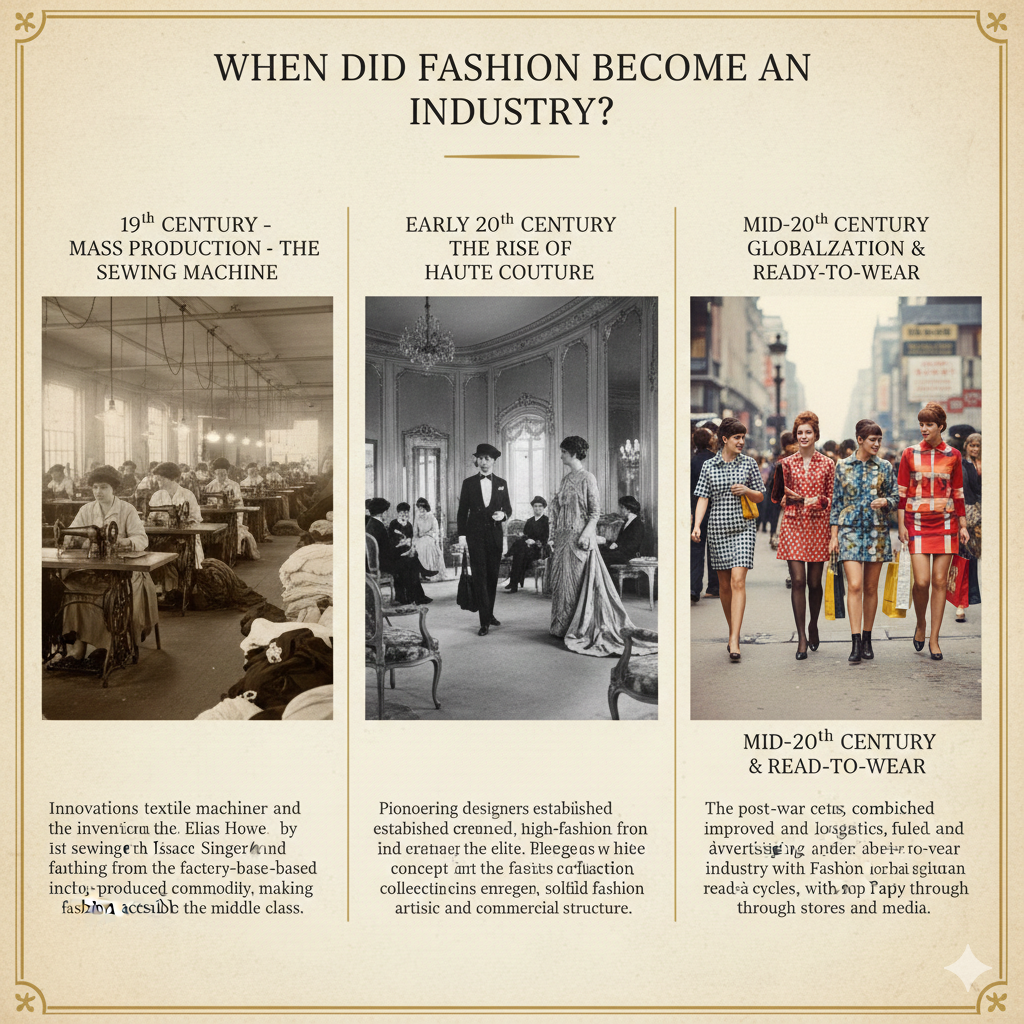
Before the 1920s, fashion was largely dictated by a small elite. The decade’s innovations—affordable fabrics, mass production, media-driven trends—made fashion accessible to a much broader audience. This shift fundamentally changed how fashion operates, creating the industry we recognize today.
The 1920s also established fashion as a form of self-expression and even rebellion. When women cut their hair short or raised their hemlines, they weren’t just following a trend—they were making a statement about who they were and what they valued. This concept of fashion as identity continues to resonate.
The decade’s influence extends beyond specific garments or cuts. It established an attitude: that fashion should evolve with culture, that women’s clothing should accommodate their lives rather than restrict them, and that beauty could be found in simplicity as well as elaboration.
Contemporary designers return to the 1920s again and again because the decade got so many things right. It proved that fashion could be both glamorous and practical, artistic and accessible. It demonstrated that breaking with tradition could create something timeless rather than merely trendy.
Step into Fashion History
The 1920s continues to captivate because it represents a moment when fashion genuinely changed. The innovations of that decade—from the flapper dress to the bob haircut to the embrace of lighter fabrics—weren’t just aesthetic choices. They reflected and reinforced profound social transformations.
Understanding 1920s fashion means understanding how clothing can embody cultural values, challenge norms, and create new possibilities for self-expression. The decade’s legacy lives on every time a designer references Art Deco geometry, every time someone gets a bob haircut, every time comfort and movement are prioritized over restrictive beauty standards.
Want to explore more about how historical fashion continues to shape contemporary style? Subscribe to our newsletter for regular deep dives into fashion history, trend analysis, and the stories behind iconic looks that continue to influence what we wear today.