


The Cultural Roots of Traditional Clothing Around the World
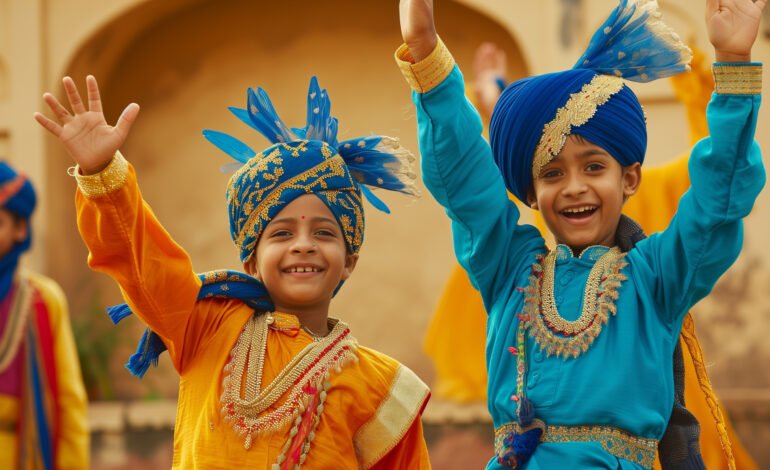

Clothing is far more than fabric stitched together. It tells stories of identity, heritage, and survival. From the vibrant saris of India to the intricate beadwork of the Maasai, traditional attire reflects the values, climate, and history of the people who wear it.
As globalization spreads and modern fashion dominates, many traditional garments risk fading into obscurity. Yet these clothes carry centuries of craftsmanship, symbolism, and cultural pride. Understanding their origins helps us appreciate the diversity of human expression and the need to preserve these traditions.
This post explores the cultural roots of traditional clothing across continents. We’ll trace the history of textiles, examine regional styles, and consider how modernization shapes what we wear today.
The Ancient Art of Textiles and Weaving
Before clothing became a marker of culture, it served a basic need: protection. Early humans used animal hides and plant fibers to shield themselves from the elements. Over time, they learned to weave these materials into fabric, transforming necessity into art.
The oldest known textiles date back thousands of years. Archaeological evidence shows that flax was woven into linen in ancient Egypt around 5000 BCE. In China, silk production began during the Neolithic period, becoming a closely guarded secret that shaped trade routes for centuries.
Weaving techniques varied by region, influenced by available resources. In Peru, alpaca and llama wool became the foundation for intricate Incan textiles. West African communities mastered the art of weaving kente cloth from cotton and silk, creating bold geometric patterns that conveyed social status and tribal affiliation.
These early innovations laid the groundwork for the traditional garments we recognize today. Each culture developed unique methods, turning practical clothing into powerful symbols of identity.
Traditional Dress in Asia and Oceania
Asia’s traditional clothing reflects its vast cultural diversity. The kimono, Japan’s iconic garment, evolved from Chinese court dress during the Heian period (794-1185 CE). Its T-shaped structure, wide sleeves, and elaborate patterns distinguish social rank and occasion. Today, kimonos are reserved for ceremonies and festivals, symbolizing respect for tradition.
India’s sari represents one of the world’s oldest forms of dress, with origins tracing back to the Indus Valley Civilization. This unstitched drape of fabric—typically five to nine yards long—varies widely across regions. In Tamil Nadu, silk saris feature temple-inspired motifs. In Rajasthan, vibrant tie-dye patterns dominate. The way a sari is draped can indicate a woman’s marital status, religion, or regional background.
Southeast Asia offers its own variations. The Vietnamese áo dài, a fitted tunic worn over trousers, gained popularity in the 18th century and remains a symbol of national pride. In Indonesia, batik—a wax-resist dyeing technique—produces intricate designs on sarongs and kebayas, with certain patterns reserved for royalty.
Oceania’s traditional dress connects deeply to the land and sea. In Hawaii, the muumuu emerged from missionary influence but incorporated local fabrics and floral prints. Polynesian tapa cloth, made from tree bark, is decorated with geometric designs that carry spiritual meaning. Māori cloaks in New Zealand, known as kākahu, use flax and feathers to signify prestige and genealogy.
European Folk Costumes and Heritage
European traditional dress often reflects regional pride rather than national identity. Folk costumes, or trachten, vary dramatically between villages, each with distinct embroidery, fabrics, and accessories.
In Germany and Austria, dirndls and lederhosen are now associated with Oktoberfest, but they originated as rural work clothes. The dirndl’s apron bow placement once indicated marital status—tied on the left for single women, the right for married, and the back for widows.
Scandinavian countries celebrate their heritage through bunad, elaborate costumes worn during national holidays. Norway alone has hundreds of bunad variations, each representing a specific district. These garments require meticulous handwork, with embroidery, silverwork, and buttons passed down through generations.
Eastern Europe showcases equally rich traditions. Ukrainian vyshyvanka, an embroidered shirt, uses specific patterns and colors to denote region and family history. In Poland, the Krakowiak costume features striped fabrics and floral wreaths, worn during folk dances that celebrate agricultural cycles.
Many European folk costumes nearly disappeared during industrialization and urbanization. Revival movements in the 19th and 20th centuries helped preserve these traditions, often linking them to nationalist sentiments and cultural preservation efforts.
African Attire and Tribal Symbolism
African traditional clothing is as diverse as the continent itself, with each region developing distinct styles shaped by climate, resources, and cultural practices.
West African fashion features bold patterns and vibrant colors. Kente cloth, woven by the Akan people of Ghana, uses intricate geometric designs where each color and pattern carries meaning. Gold represents royalty and wealth, while green symbolizes growth and renewal. Originally reserved for chiefs and special ceremonies, kente has become a symbol of African identity worldwide.
The dashiki, a loose-fitting tunic with elaborate embroidery around the neckline, originated in West Africa and gained global recognition during the 1960s civil rights movement. Its comfortable design suits hot climates while making a cultural statement.
In East Africa, the Maasai of Kenya and Tanzania are known for their striking red shukas (cloths) and elaborate beadwork. Colors in Maasai beadwork are symbolic: red represents bravery, blue signifies energy, and white stands for purity. Beaded jewelry indicates age, marital status, and social standing within the community.
North African dress reflects Islamic influence and desert adaptation. The djellaba, a long hooded robe worn in Morocco and Algeria, provides protection from sun and sand while maintaining modesty. In Egypt, the galabeya serves a similar function, with lightweight cotton suited to the hot climate.
Southern Africa offers its own traditions. The Ndebele people of South Africa are renowned for colorful beaded accessories and painted blankets. Zulu attire includes animal hide garments and elaborate headdresses worn during ceremonies.
Indigenous Clothing of the Americas
Indigenous peoples across the Americas developed clothing suited to diverse environments, from Arctic tundra to tropical rainforests.
In North America, Native American tribes created garments that reflected their relationship with nature. Plains Indians used buffalo hide for clothing, decorating it with quillwork and later beadwork. The designs told stories of personal achievements, tribal affiliation, and spiritual beliefs. Feathered headdresses, contrary to popular imagery, were not universal—they held sacred significance among specific tribes and required earning through acts of courage.
The Inuit of the Arctic developed sophisticated cold-weather clothing using caribou and seal skins. Multiple layers trapped air for insulation, while fur trim around hoods prevented frostbite. This traditional knowledge influenced modern outdoor gear design.
Central American indigenous groups maintained textile traditions that predate European contact. Guatemalan huipils, embroidered blouses worn by Maya women, use patterns and colors specific to each village. These garments can take months to create and serve as wearable records of cultural identity.
South American indigenous clothing reflects both ancient traditions and colonial influence. Peruvian women wear layered skirts called polleras, combined with embroidered blouses and felt hats—a blend of indigenous weaving techniques and Spanish colonial fashion. High in the Andes, indigenous communities still weave alpaca wool using techniques unchanged for centuries, creating textiles that are both functional and beautiful.
Middle Eastern Styles and Desert Adaptation
Middle Eastern traditional clothing balances cultural values with practical needs for desert climates.
The thobe (also called dishdasha or kandura) is a long robe worn by men across the Arabian Peninsula. Its loose fit allows air circulation in extreme heat, while its length protects legs from sun and sand. Colors vary by region—white is common in hot climates for its cooling properties, while darker colors appear in cooler months.
Women’s dress in the Middle East varies widely by country and community. The abaya, a flowing black cloak, is common in Gulf states. In contrast, North African countries favor colorful caftans with intricate embroidery. The hijab, worn by many Muslim women, takes numerous forms depending on cultural interpretation and personal choice.
Traditional Persian clothing reflects the region’s rich artistic heritage. The qajar-era outfits featured elaborate brocade, detailed embroidery, and layered garments that displayed wealth and status. While modern Iranians typically wear Western-style clothing daily, traditional dress appears during cultural celebrations and weddings.
Bedouin tribes developed clothing perfectly suited to nomadic desert life. Layered garments provide insulation against both heat and cold, while head coverings protect from sun and sandstorms. The keffiyeh, a traditional Arab headdress, serves multiple practical functions beyond its cultural symbolism.
The Impact of Modernization on Cultural Dress
Globalization and modernization have dramatically changed how people relate to traditional clothing. Western fashion dominates urban centers worldwide, leading many to view traditional dress as outdated or impractical for daily life.
Economic factors play a role. Mass-produced clothing is cheaper and more readily available than handmade traditional garments. Young people often prefer modern styles that align with global trends, especially in cities where traditional dress might seem out of place.
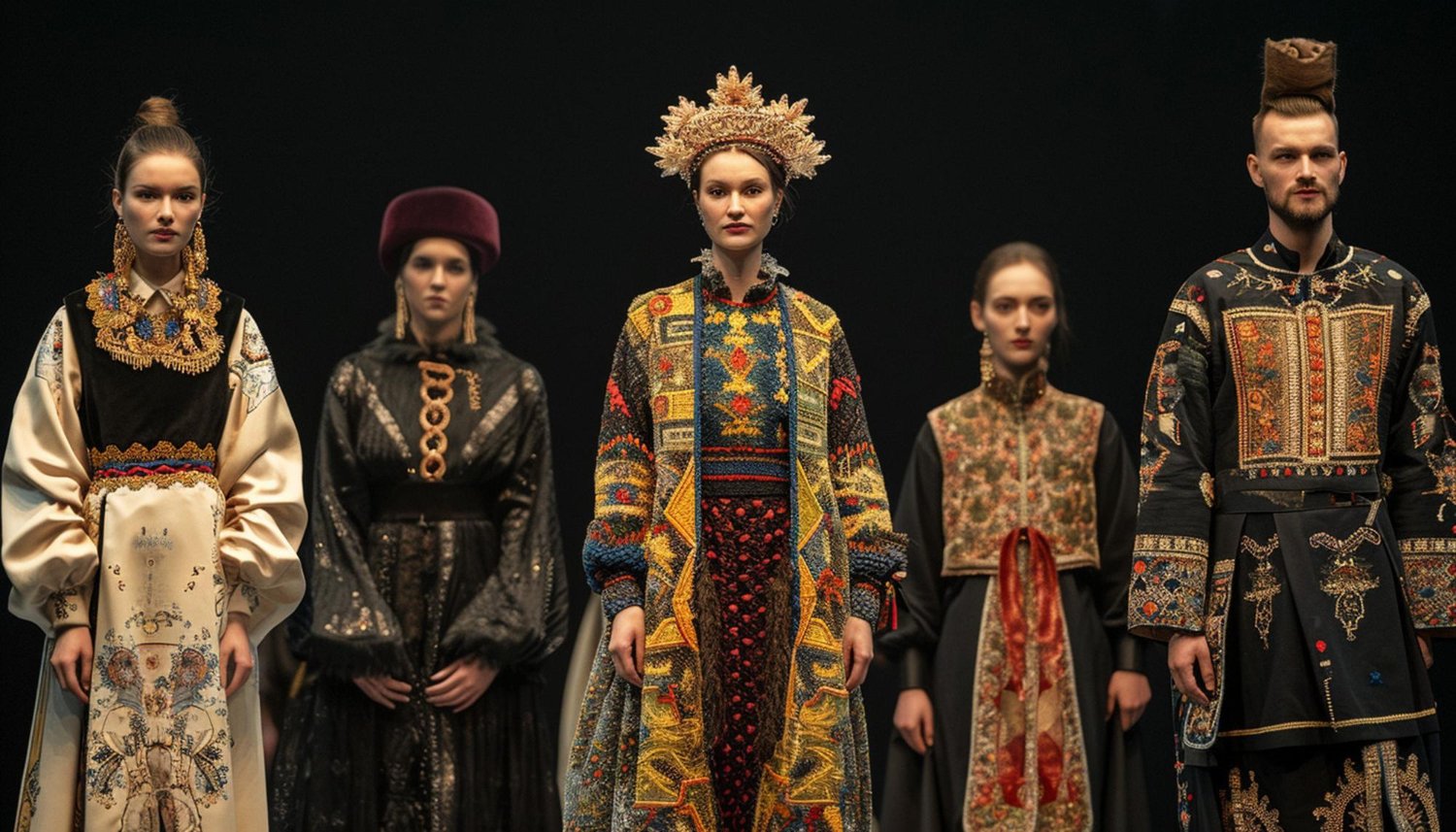
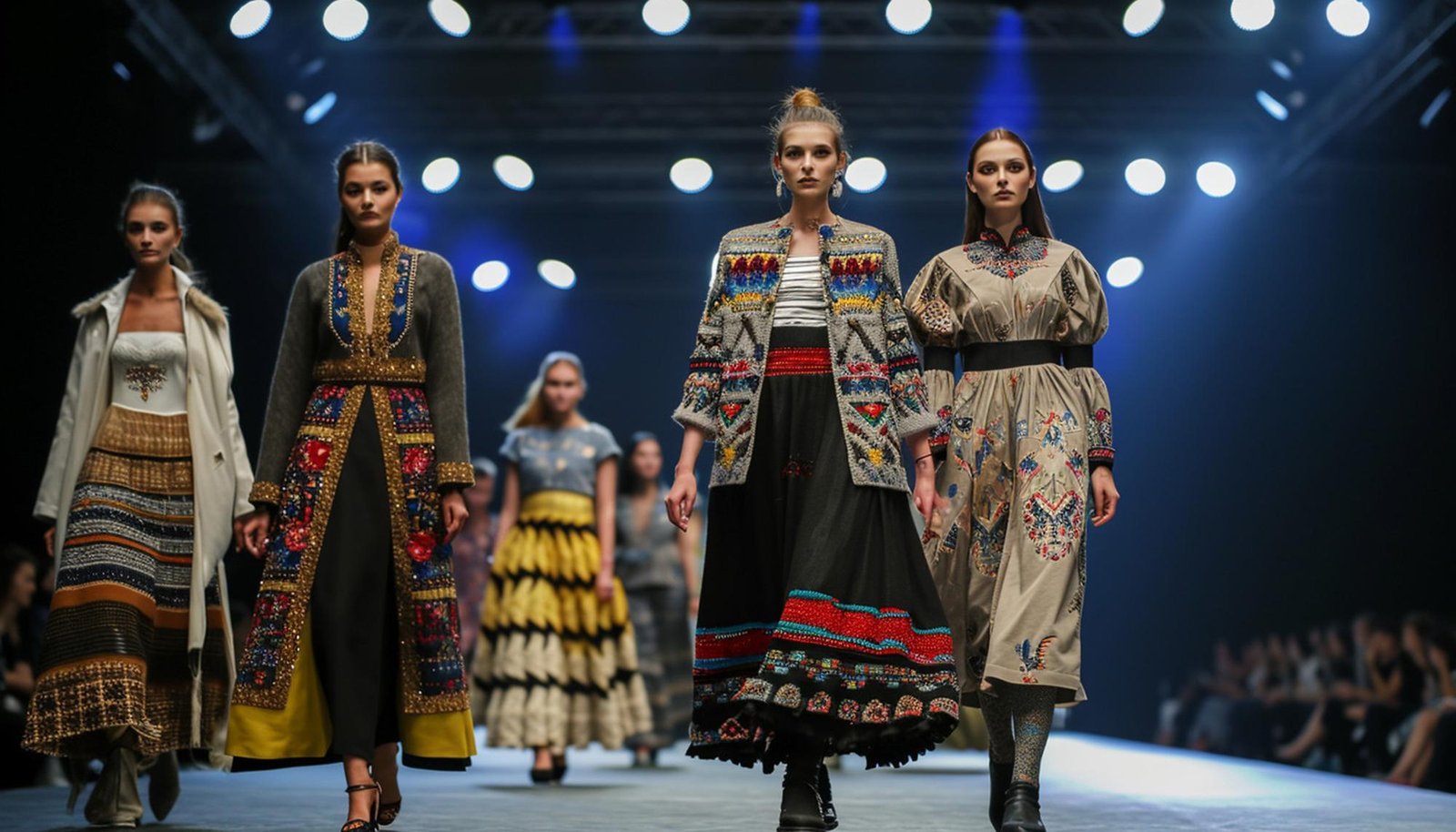
Yet resistance to cultural erasure is growing. Many communities are working to preserve and revitalize traditional clothing practices. Indigenous groups advocate for their right to wear traditional dress without discrimination. Fashion designers incorporate traditional techniques and patterns into contemporary designs, creating fusion styles that honor heritage while meeting modern tastes.
Social media has become an unexpected ally in cultural preservation. Young people share photos wearing traditional dress, celebrating their heritage and educating global audiences. Hashtags and online communities connect diaspora populations with their cultural roots.
Some countries have implemented policies to protect traditional clothing. Bhutan requires citizens to wear traditional dress—the gho for men and kira for women—in government buildings and during official functions. While controversial, such policies aim to maintain cultural identity amid rapid modernization.
The fashion industry increasingly recognizes the value of traditional textiles and techniques. Fair trade initiatives support artisan communities, providing economic incentives to continue traditional crafts. However, concerns about cultural appropriation arise when traditional designs are commercialized without proper acknowledgment or benefit to source communities.
Celebrating and Preserving Global Heritage
Traditional clothing represents living history. Each garment tells stories of adaptation, creativity, and cultural values passed through generations. As we move further into a globalized world, the risk of losing these traditions grows.
Preservation requires more than museums and archives. It needs active engagement from communities, support for artisans, and education about the significance of cultural dress. When traditional clothing is worn, celebrated, and passed to new generations, it remains vital rather than becoming a relic.
We all have a role to play. Supporting fair trade purchases, learning about the cultural significance of traditional dress, and respecting the contexts in which certain garments should be worn helps preserve these traditions. Sharing knowledge and celebrating diversity strengthens our collective cultural heritage.
Traditional clothing reminds us that fashion is never just about aesthetics. It’s about identity, history, and the human need to express who we are through what we wear.
Ready to explore traditional clothing from your own heritage? Research your family’s cultural background, visit local cultural festivals, or support artisan communities creating traditional textiles. Every effort to learn and engage helps keep these traditions alive.